
 Spanish

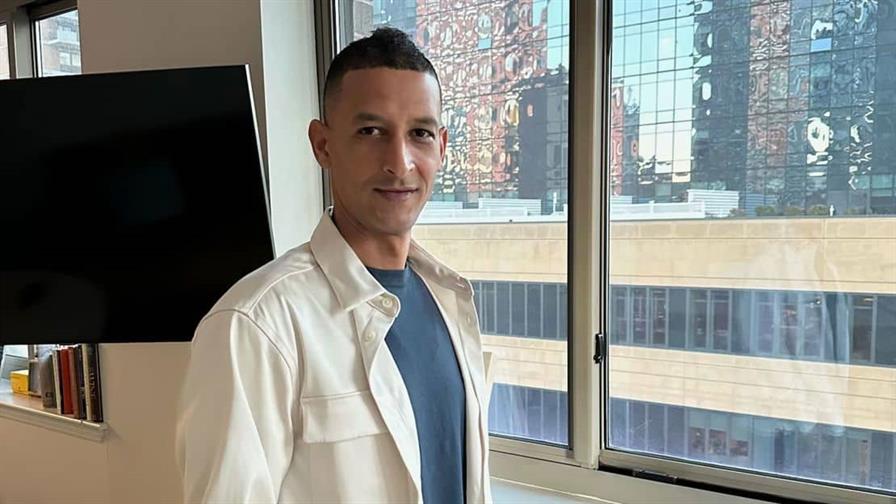

New York.– After nearly four months in the custody of the U.S. Immigration and Customs Enforcement Service (ICE), Dominican Heury Gómez, a legal permanent resident for almost 20 years, finally returned to his home in Midtown Manhattan, where he was received with hugs, tears, and a deep sense of relief by his family.
Gómez, 43, had been arrested on August 5, just as he was preparing to formally assume the care of his 18-year-old, nonverbal, disabled son Noah, after obtaining sole custody by court order. Without a clear explanation, federal agents detained him and, days later, he was transferred in handcuffs to Michigan without knowing his destination.
According to his cousin, Carolina Zapata, ICE based the detention on two misdemeanors committed in 2015 and resolved in 2017, related to attempted third-degree assault and attempted petty theft. Gómez served 20 days in jail, paid fines, and completed his probation.“They took me with other detainees chained, and I was also chained. I didn't know where they were taking me,” Gómez recounted upon regaining his freedom.
You can also read: ”Dominican Pride! The House of Alofoke 2 obtains the Guinness Record for the “longest streaming in history” | De Último Minuto
Even so, inside the detention center, he remained in a red uniform, which is designated for those with convictions, even though many other inmates without a criminal record wore blue.During his detention, Gómez reported food with worms, solitary confinement after defending himself from an attack, and signs of physical deterioration, such as hair loss, attributed to stress. While he remained detained, his family and community mobilized. Zapata launched a public campaign, spoke with media, and opened a community fund that raised thousands of dollars for legal expenses. "Having an excellent defense team was key. Vulnerable communities don't have the resources to face this. That financial support was crucial," he affirmed. On November 22nd, already free, Gómez reunited with his family in Washington Heights, and later visited his mother in the Bronx, who was kept out of the process due to her delicate health. "I thank God for giving me the opportunity to be with my family," he expressed emotionally.“I saw many blue uniforms. I don't understand why I had to wear red… I was mixed with people who committed much more serious crimes,” he said.






