
 Spanish



New Delhi.- India will mobilize more than three million civil servants starting tomorrow, Wednesday, to begin the first digital census in its history, an unprecedented logistical operation that seeks to register 1.4 billion people after fifteen years without updating its official statistics.
The process will begin with the opening of the "self-enumeration" portal, a platform in 16 languages that will allow citizens of territories such as Delhi, Goa or Karnataka to complete their data autonomously before the in-person visit of the surveyors, replacing the old paper forms with a centralized real-time system. This exercise, which has a budget of about $1.4 billion, comes after a five-year delay stemming from the pandemic and administrative adjustments. The Registrar General, Mritunjay Kumar Narayan, highlighted this week in New Delhi that technological deployment is fundamental to streamline a count that was historically done manually, which made it difficult to consolidate data in a country of rapid urbanization, internal migration, and millions of informal settlements that lack prior registration.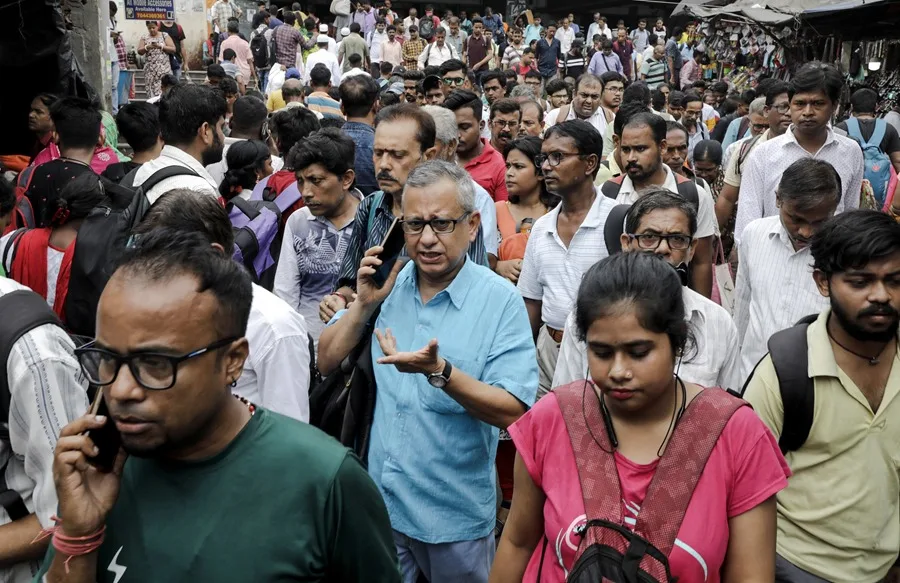
Towards a "caste register" in 2027
The first phase of this census, called housing listing and infrastructure inventory, will be rolled out gradually across the entire territory until next September. During these months, the enumerators will collect detailed information about the conditions of the households, including access to basic services such as potable water, electricity, and sanitation.You may be interested in: US grants 30-day exemption to allow sales of Russian oil to India
This diagnosis is fundamental for the design of public policies and the allocation of state resources, since the last official count dates back to 2011, when the population was 1.210 million.




