
 Spanish


Every August 8th, August celebrates International Cat Day, a date dedicated to honoring one of the world's most popular companion animals. Although they are often attributed with characteristics such as independence or even arrogance, for millions of people around the world, cats are endearing members of the family.

This commemoration was promoted in 2002 by the International Fund for Animal Welfare (IFAW), a non-profit organization dedicated to rescuing animals and protecting their habitats. The choice of the month of August is because in the northern hemisphere, this period coincides with a stage of high fertility for felines, which reinforces the symbolism of the date.
Three days to celebrate cats
Unlike other pets, cats have three official dates on the calendar to celebrate International Cat Day:
- February 20: This date commemorates the death of "Socks", the cat of the daughter of former U.S. President Bill Clinton, who became a beloved figure nationwide. After his death in 2009, his followers promoted the idea of remembering cats on that day.
- August 8: Established by the IFAW, it is the most international celebration, aimed at raising awareness about the care, respect, and responsibility towards cats.
- October 29: This day is focused on the visibility of stray cats, with the aim of promoting their adoption and combating animal abandonment.
Are cats really that independent?
There is a widespread myth that defines cats as completely self-sufficient animals, both in everyday life and emotionally. However, this perception can affect the bond between humans and felines, and minimize the commitment that their ownership implies.
Commitment and responsibility to our feline companions
International Cat Day is, therefore, an opportunity not only to celebrate their companionship, but also to reflect on the commitment involved in having one at home and the love that these beings can give us when they are cared for with respect and responsibility.Myths and beliefs about cats
Cats have been surrounded by myths and beliefs since ancient times. Some stem from admiration for their enigmatic behavior; others, from prejudice or ignorance. Below, we review the most common ones:
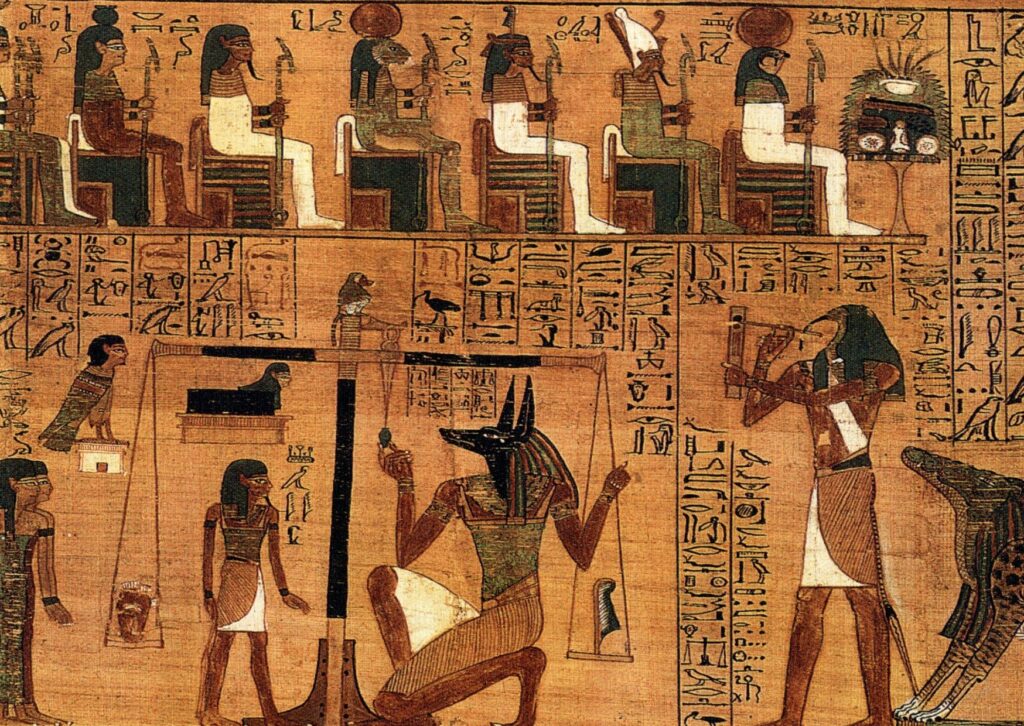

- They were revered as gods in Ancient Egypt
Although they were not considered gods per se, cats held a sacred place in Egyptian culture. They were associated with Bastet, goddess of protection and fertility. Their presence was so valued that there are statues, paintings, and even mummies of cats. Killing one could be punishable by death. - They always land on their feet
It is true that they possess a righting reflex that allows them to turn in the air and land on their paws, but this does not make them invulnerable. Falls can cause them serious injuries, especially if they occur from very low or very high heights. - They are completely independent
One of the most ingrained myths. Although they can spend time alone, cats form strong emotional bonds with their caregivers and depend on them for their physical and emotional well-being. Their “independence” is, in reality, a different way of socializing and expressing themselves. - Black cats bring bad luck
This prejudice, which arose in the Middle Ages due to its association with witchcraft, has contributed to their marginalization and lower adoption rate. In many current cultures, however, they are considered a symbol of good fortune. - They have seven (or nine) lives
The expression reflects their agility and ability to get out of dangerous situations unscathed. But like any living being, cats have only one life, and it is the responsibility of their caregivers to protect it.





