 Spanish


This center that the MIVHED will build will have capacity for 800 inmates.
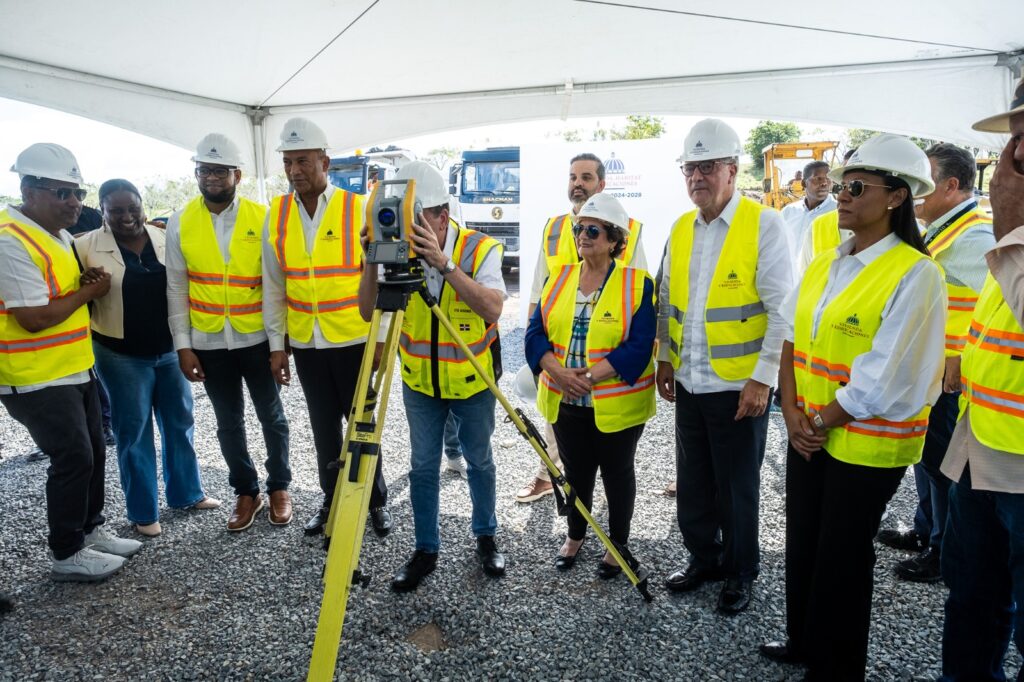
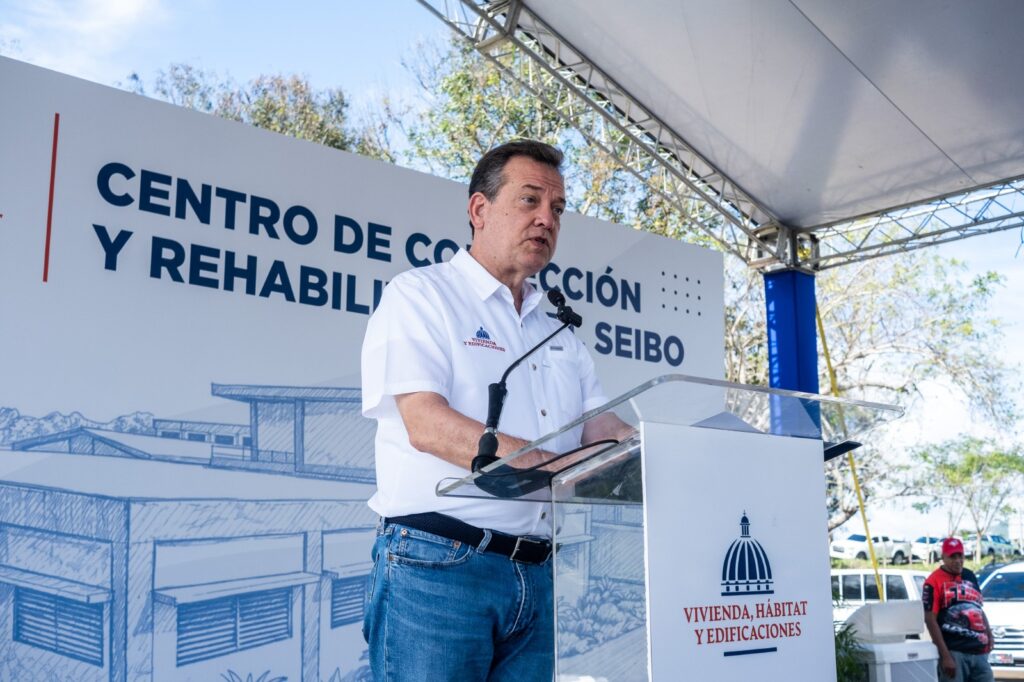
El Seibo. – The Minister of Housing, Habitat and Buildings, Víctor – Ito – Bisonó, began this Friday the construction of the Correction and Rehabilitation Center of the province of El Seibo, with capacity to house 800 prisoners. This facility, which involves an investment of RD$1.114 billion in civil works, is part of the set of works carried out by the Ministry of Housing, Habitat and Buildings (MIVHED) to strengthen and dignify the penitentiary system of the Dominican Republic. During the event, Minister Ito Bisonó said that the El Seibo Correction and Rehabilitation Center is part of the national penitentiary modernization process, which seeks to expand the system's capacity, better organize its operations, and guarantee adequate infrastructure for its operation."This infrastructure is part of the modernization process of the Dominican penitentiary system. Building centers like this means providing the country with dignified, organized, and safe facilities that allow for true work on rehabilitation and social reintegration," said the official.
You can also read: Ito Bisonó proposes exploring a "progressive housing" model
On his part, the general director of Penitentiary and Correctional Services, Roberto Santana, explained that the objective of this type of infrastructure is to transform penitentiary spaces into places that guarantee security, coexistence, and compliance with the rules, while contributing to generate tranquility in the communities where they are located. He also highlighted that with the construction of this establishment, the penitentiary reform in the Eastern region of the country will be completed. He recalled that the centers of Anamuya, in Higüey; La Cucama, in La Romana; and that of San Pedro de Macorís are currently in operation. About the El Seibo Correction and Rehabilitation Center The center will have 23,718.35 square meters of construction on a plot of 131,928 square meters, establishing itself as one of the largest works within the national penitentiary system. The infrastructure includes an administrative building with observation cells; a building that integrates a dining room, multipurpose room, classrooms, a library, and conjugal cells; a VTP accommodation building; four medium-security cell buildings (A); a maximum-security cell building (C) and the Eco 1 building. In terms of security, it has seven watchtowers, a control booth, and a customs area, as well as monitoring areas that reinforce internal supervision. The center also incorporates a workshop building and spaces for training and social reintegration, such as educational classrooms, a library, and an agricultural area with a rabbit and chicken farm, as well as three basketball courts and kennels. For its operation, it has a cistern house, a power plant, a garbage deposit, and a gas tank, guaranteeing autonomy in basic services. It also has 95 parking spaces distributed in 52 general, 43 private, two service parking spaces, and two for buses. With this work in the province of El Seibo, the authorities seek to strengthen the model of correction and rehabilitation, expand the capacity of the system and promote more dignified and safe conditions for those deprived of liberty.