 Spanish
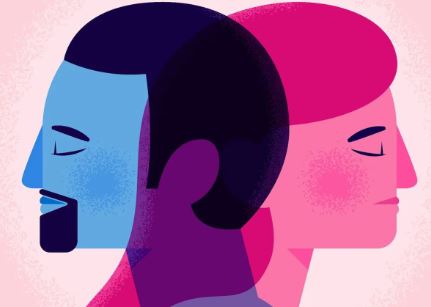
Every September 23rd commemorates International Bisexuality Day, also known as Bisexual Visibility Day, a crucial date that seeks to make visible and celebrate bisexual identity, promoting acceptance, inclusion, and tolerance towards people who are attracted to both genders.
This day is not only a call for equity for the bisexual community, but also a reminder that sexual diversity is part of humanity and that we all have the right to enjoy our preferences without fear of being judged or discriminated against, as long as our actions do not cause harm to others.
Origin of Bisexuality International Day
The International Bisexuality Day was established in "1999", thanks to the initiative of three bisexual activists from the United States: "Wendy Curry, Gigi Raven" and "Michael Page". These three defenders of the rights of bisexual people decided to create this date as a response to the discrimination and stigma they faced from both heterosexual society and some sectors of the LGBTI community itself. Back then, bisexuality was a taboo or misunderstood topic, both outside and within the LGBTQ+ community. The lack of visibility and widespread ignorance about what it means to be bisexual meant that many people experienced double discrimination, being rejected for their attraction to both men and women. Hence the need arose to create a day that not only celebrated bisexual identity, but also served as a call to attention to the intolerance faced by people who identify as bisexual.What exactly is bisexuality?
Bisexuality is a sexual orientation that refers to romantic, sexual, or emotional attraction to people of more than one gender. In simpler terms, a bisexual person feels attraction to people of the two traditional genders: men and women.
However, bisexuality is a broad concept and can encompass a range of experiences and ways of feeling attraction to other genders, which includes, in many cases, non-binary people and other gender identities outside of the traditional binary.Main characteristics of bisexuality:
- Attraction to multiple genders: A bisexual person can feel attraction to individuals of different genders, which includes both men and women, and people who do not necessarily fit into the traditional categories of "man" or "woman" (such as non-binary people).
- It does not imply an exact balance of attraction: It is a common mistake to think that a bisexual person must feel equally attracted to both genders. A bisexual person's attraction may be stronger towards one gender than another, or vary depending on the situation, the person, and other factors.
- It is an orientation, not a phase: Bisexuality is a legitimate and valid identity. It is often misinterpreted as a phase or as something transient before choosing a definitive orientation. However, for many bisexual people, this identity is as lasting and stable as any other sexual orientation.
- It can be fluid over time: A bisexual person's attraction can change over time. Some people experience what is known as "sexual fluidity", which means that their attraction to certain genders can vary depending on the stage of life, personal experiences, or circumstances.
Difference between bisexuality and other sexual orientations
Although bisexuality refers to attraction to more than one gender, it should not be confused with other sexual orientations:- Homosexuality: The exclusive attraction to people of the same gender.
- Heterosexuality: The exclusive attraction to people of the opposite gender.
- Pansexuality: Although some people consider bisexuality and pansexuality to be similar, pansexuality generally refers to attraction to people regardless of their gender or gender identity. Pansexual people can be attracted to anyone, without gender being a determining factor.
Stereotypes and Misunderstandings About Bisexuality
Bisexuality is often shrouded in prejudice and misunderstandings. Some of the most common include:- "It's just a phase": There is a misconception that bisexual people eventually "decide" on a single gender, when in reality, bisexuality is a permanent identity for many people.
- "Bisexual people are more promiscuous": Another common stereotype is that bisexual people are more likely to have sex with multiple partners, which is not true. Bisexuality is not linked to specific sexual behaviors.
- "Bisexual people aren't really 'in the middle'": It is often assumed that a bisexual person is, in reality, homosexual or heterosexual, and that they are "just confused." This denies the validity of bisexuality as an identity in itself.
- "Bisexual people are incapable of having monogamous relationships": This stereotype is based on the false assumption that bisexual people need to have relationships with people of both genders simultaneously or continuously.
- Biphobia: Sometimes bisexual people face discrimination not only from those who are not part of the LGBTQ+ community, but also from some members of the same LGBTQ+ community, who may doubt the validity of their sexual orientation.
How is bisexuality expressed?
The way a bisexual person experiences and expresses their attraction can vary, but often involves the ability to fall in love and form relationships with people of both genders. Some bisexual people may be in heterosexual relationships, while others may be in homosexual relationships, or have a series of relationships that include people of different genders throughout their lives. It is important to remember that bisexuality does not define a person entirely. Bisexual people, like anyone else, are complex, with diverse experiences and characteristics beyond their sexual orientation.Visibility and Acceptance
One of the reasons why International Bisexuality Day (September 23rd) is so important is that it makes visible and celebrates the existence of bisexual people who often feel erased or misunderstood, both within society in general and within the LGBTQ+ community itself. As a sexual orientation that is not always evident, bisexuality faces the challenge of being recognized and accepted.
The fight for the rights of bisexual people is not only about visibility, but also about ensuring that the same rights and dignity that heterosexual or homosexual people enjoy are respected. In short, bisexuality is a legitimate sexual identity that should be understood and respected, without prejudice or stigma. Like any other sexual orientation, it is fundamental for the autonomy and emotional well-being of bisexual people that they are allowed to live their identity openly and without fear of discrimination.Why is this day important?
Bisexual Visibility Day is crucial because it addresses several issues affecting bisexual people, including:
- Discrimination within the LGBTI+ community: Although many bisexual people are active members of the LGBTI+ community, they often feel rejected by the community itself, as some members believe that bisexuality is just a phase or confusion. This creates division and a lack of support within a group that should be inclusive by nature.
- Social and cultural biphobia: In general society, bisexual people are often stigmatized, as they are wrongly associated with promiscuity, indecision, or infidelity. This means that bisexual people have to face prejudice and stigma in both their personal relationships and their professional lives.
- Lack of visibility and media representation: Bisexuality is still underrepresented in the media, which reinforces stereotypes and ignorance. Often, bisexual characters in movies or series are presented in a superficial or negative way, which does not reflect the reality of the diversity of experiences within the bisexual community.
- Low rate of support in mental and emotional health: Bisexual people, due to invisibility and discrimination, may experience higher rates of anxiety, depression, and other mental health problems. This is partly due to the lack of validation of their identity and the constant need to face the prejudices of both sides, heterosexual and LGBTI+.
The Meaning of Bisexual Visibility
Bisexual visibility is crucial to dismantle the myths and stereotypes surrounding this identity. Through visibility, bisexual people can find greater acceptance and support within society, as well as being able to identify with figures and role models that reflect their experiences. This day also allows those who feel insecure or afraid to express their sexual orientation to feel more supported and empowered to live their identity freely.Pending challenges for the bisexual community
Although International Bisexuality Day has helped to make bisexual people visible and promote respect for them, there is still much to be done. Some of the main areas where progress is needed are:- Greater institutional recognition: It is essential that public and private institutions recognize bisexuality as a valid and distinct identity. This implies the creation of inclusive policies, the elimination of discrimination in the workplace and education, and the implementation of adequate psychological support programs.
- Comprehensive education: Schools and universities should incorporate bisexuality into their educational programs so that new generations grow up in an environment that is more respectful and aware of sexual diversity.
- Media representation: It is necessary for the media to represent bisexual people in a realistic and complex way, showing their diversity of experiences and struggles. This would contribute to reducing the stereotypes and prejudices that do so much harm to the bisexual community.

