
 Spanish


London.- The United Kingdom remembers this Tuesday the centenary of the birth of Elizabeth II, the queen who set the bar for the monarchy very high for her dedication to public service, her ability to adapt to the new times, her management of family crises and for acting as a symbol of stability and unity of the country.
On the occasion of the centenary, a statue of Queen Elizabeth II standing will be erected this year in St James's Park, in front of Buckingham Palace, in London, a project that is being carried out by the studio of the prestigious architect Norman Foster, who has included in the design a bridge inspired by her wedding tiara and a commemorative path. Error en el proceso de traducción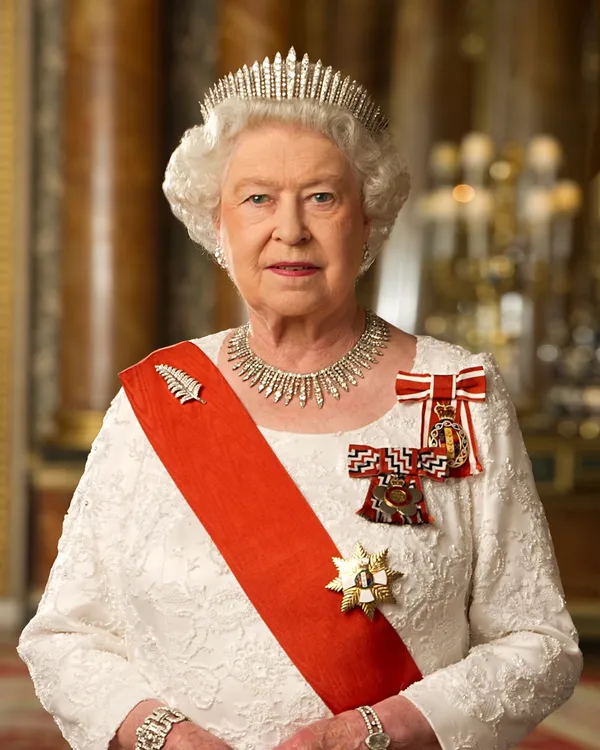
As a crown princess and aware of the great damage of abdication, upon turning 21 years old, Princess Elizabeth promised in a message to the country that "my whole life, whether long or short, will be devoted to your service." And so she did.
Error en el proceso de traducción Error en el proceso de traducciónMarried in 1947 to Prince Philip, Duke of Edinburgh, Elizabeth II assumed her reign while the United Kingdom began its slow recovery after World War II (1939-45) and the country managed the decolonization of its empire, after the independence of the 'jewel in the crown', India, in 1947.
Isabel II is credited with her ability to lead the end of the empire and the creation of the so-called British Commonwealth of Nations (Commonwealth), made up of former colonies and territories of which she was still head of state. The sovereign understood that for the monarchy to survive in the 20th century it had to be visible and accessible. Thus, she knew how to adapt the institution to the winds of great technological, social, and political changes that marked her 70-year reign, such as broadcasting her Christmas speeches on television, walking among the people to greet them, managing the endless personal problems of her family, such as the divorce of her eldest son, the now King Charles III, from Diana of Wales, or reducing the civil list, that is, the members of the royal family who received funds from the taxpayer. Furthermore, he always maintained strict political neutrality, which ensured national cohesion even in times of crisis.




