 Spanish
We recommend reading:Europe, a strategic partner in the return of the human being to the Moon with the Artemis program
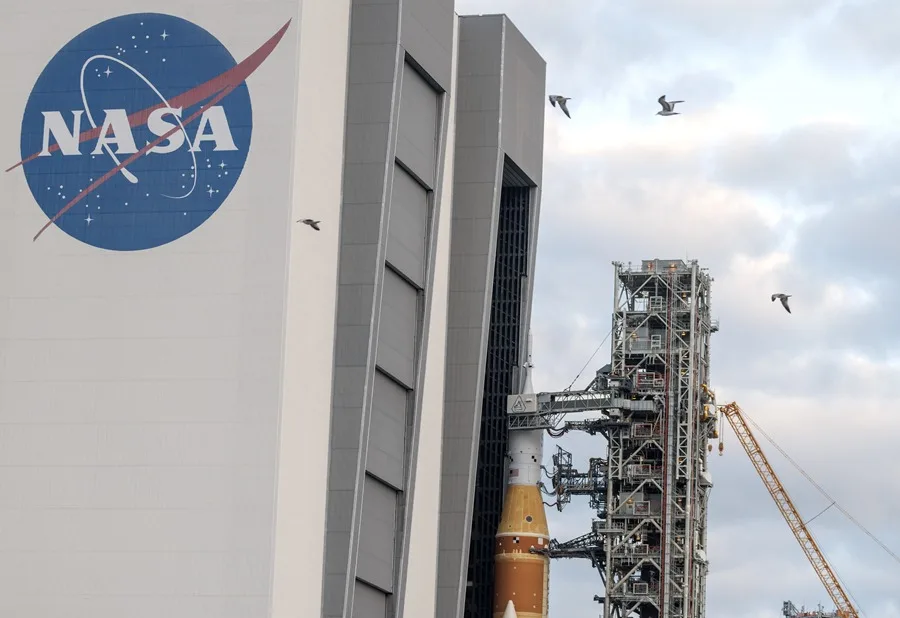
Artemis II travels to lunar orbit
The second flight of the American space agency NASA's Artemis program will be the first manned mission to the Moon in more than half a century, although it will not touch the lunar surface. Its objective will be to reach the satellite's orbit, circle it and return to Earth in about ten days. Initially scheduled for this weekend, the launch was postponed to March after a fuel leak was detected during the test runs carried out last Monday. The mission is made up of four astronauts, including the first African American, the first woman, and the first Canadian to travel to the Moon. NASA plans to return to the lunar regolith with Artemis III, scheduled for no earlier than 2028.The First Starship Vessels to Mars
The private space company SpaceX, founded by Elon Musk, plans to send the first Starship spacecraft to Mars by the end of this year, following the roadmap that aims to send the first manned missions to the red planet in 2030. Five planned launches aim to "gather crucial data" about the Martian atmosphere and landing on the planet's surface, according to SpaceX. The trip to Mars extends for six months and each ship will carry 10 tons of cargo. The human being has never set foot on Mars and knowledge about the neighboring planet is limited to orbiters and the various rovers sent in recent decades.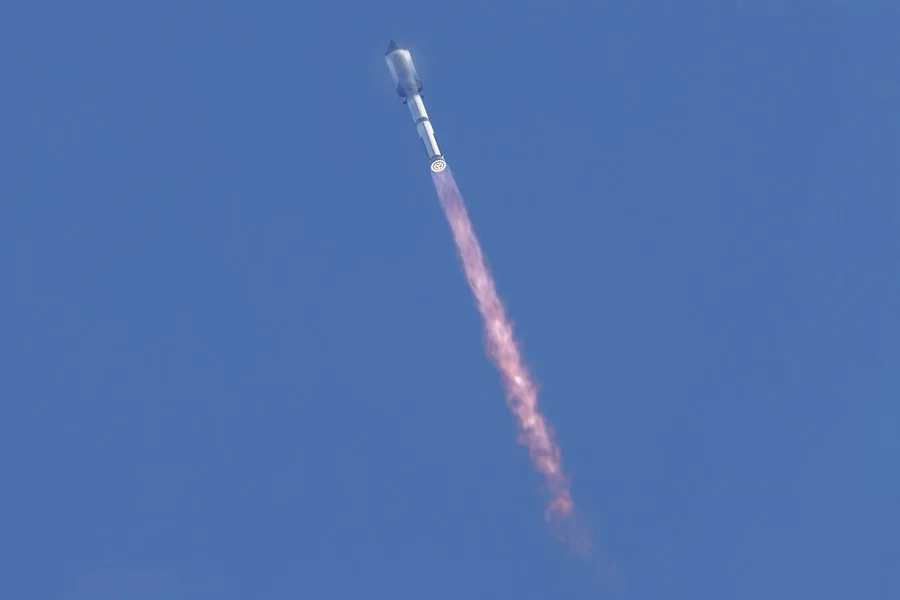
Blue Origin Wants to Get Ahead of SpaceX
For its part, Blue Origin, the space company of Amazon founder Jeff Bezos, plans to launch its Blue Moon Mark 1 lander over the lunar South Pole at the end of 2026, an unmanned mission to support the Artemis program. It will be Blue Origin's first attempt to reach the lunar surface and, once there, conduct scientific research to support manned missions on the Moon. The MK1 will attempt to demonstrate the company's ability to land precisely on the South Pole of the Moon at a time when SpaceX has received criticism from NASA for its delays with the Starship, the lander that the space agency originally chose to transport astronauts to the satellite in Artemis III.A New Exam for Boeing to the ISS
Boeing's Starliner spacecraft will travel to the ISS no earlier than April, but will be limited to transporting payload to the orbital laboratory instead of carrying astronauts. The goal is to demonstrate that they have fixed the failures in the propulsion system that stranded Butch Wilmore and Suni Williams at the space station in June 2024, in what was the company's first manned mission to the ISS. In case of success, Boeing's contract with NASA includes three crewed missions before the dismantling of the orbital laboratory in 2031.The Inaugural Free Flight of the 'Tenacity' Spaceplane
Sierra Space's Dream Chaser 'Tenacity' spaceplane will perform its first free flight to low Earth orbit in the fourth quarter of this year.You can also read:Blue Origin, by Jeff Bezos, halts space tourism trips: new goal, the Moon
The success of the test would open the door for NASA to request the company to carry out resupply missions to the space station with the 'Tenacity', according to a contract that was modified last year to require more flight tests.This ship, which is shaped like a small airplane, lands on a conventional runway like the space shuttles, which provides a smoother landing and greater ease in removing the payload.

