
 Spanish

By Génesis Arias
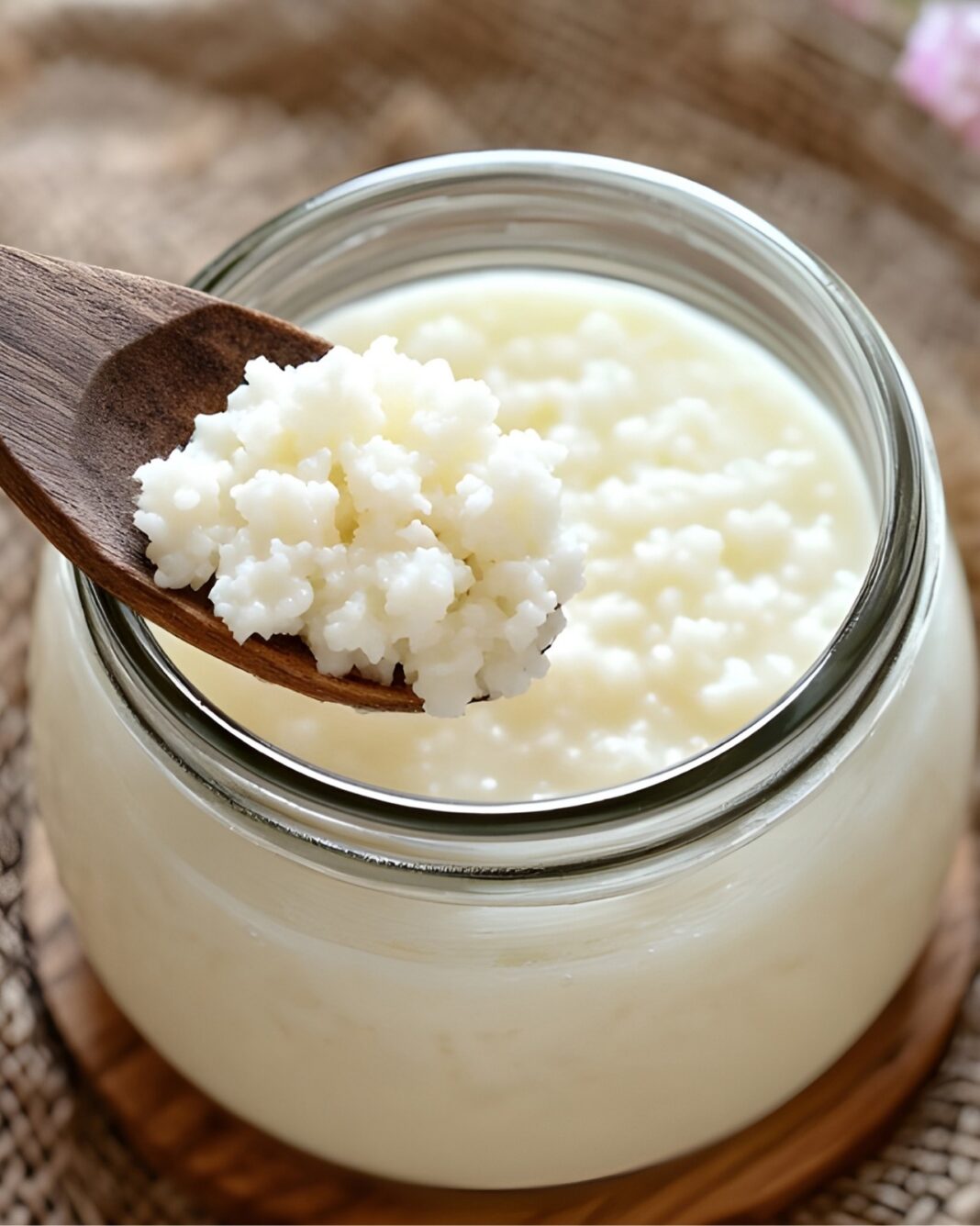
Specialists highlight its digestive, immunological, and nutritional benefits; artisanal consumption is positioned as the healthiest option In recent years, kefir has ceased to be an unknown food and has become one of the most recommended products by nutritionists and specialists in digestive health. Considered a potent natural probiotic, this ancient fermented beverage is gaining popularity thanks to its multiple benefits for the body and its ability to strengthen the intestinal flora naturally. Originating from the Caucasus regions, kefir is obtained through the fermentation of milk or water with small granules composed of beneficial bacteria and live yeasts. The result is a beverage rich in healthy microorganisms, vitamins, minerals, and bioactive compounds that help the body maintain proper digestive balance. We recommend reading:What is kefir for?
Nutrition specialists agree that kefir can provide significant benefits to the body when consumed regularly and in a balanced way.Among its main properties, the following stand out:
- Improves gut health and digestion.
- Helps restore the bacterial flora after the use of antibiotics.
- Strengthens the immune system.
- Promotes nutrient absorption.
- May help reduce intestinal inflammation.
- Helps in cases of constipation and heavy digestion.
- Provides proteins, calcium, B-complex vitamins, and antioxidants.
- May benefit mental health due to the relationship between the gut and the brain.
Who can consume it?
Kefir can be consumed by most people, including older adults, young people, and people looking to improve their eating habits. However, specialists recommend introducing it gradually, especially in people with digestive sensitivity, as its high content of live bacteria can generate gas or temporary intestinal changes during the first few days. It is also advisable to consult with a doctor before consuming it in cases of:- Immunocompromised people.
- Patients with severe intestinal diseases.
- People with milk allergies (in the case of dairy kefir).
- Young children, depending on the preparation.





