
 Spanish

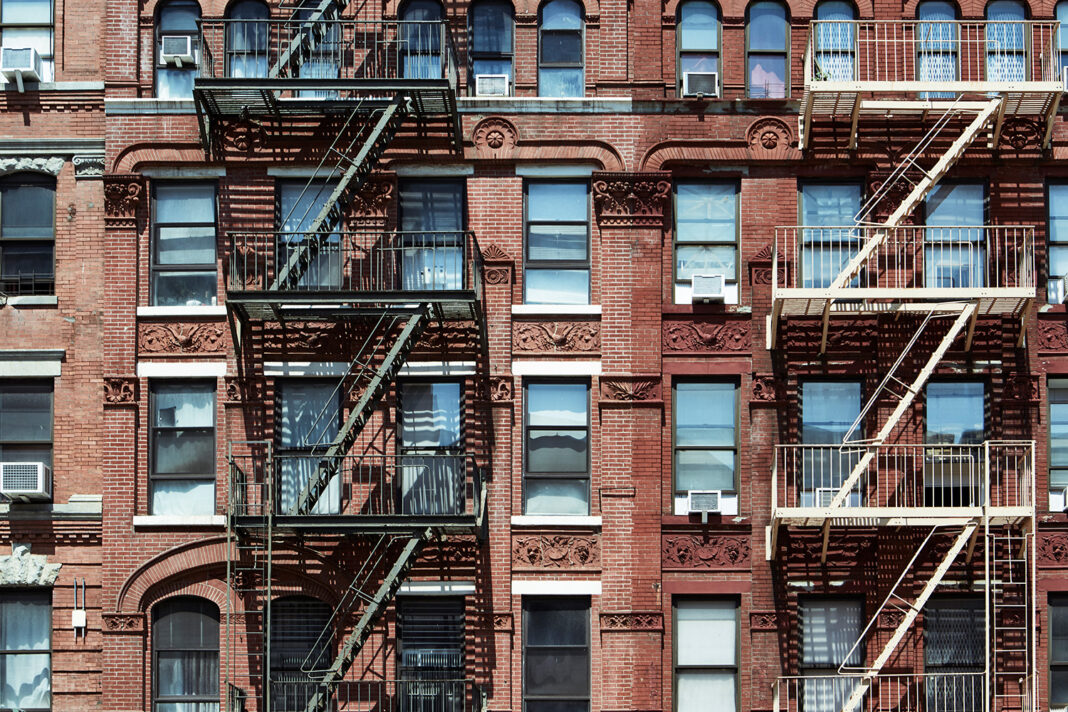
NEW YORK. Starting October 1st of this year, nearly a million rent-stabilized apartments in New York will experience a new increase in their rental contracts, as approved by the Rent Guidelines Board (RGB). The measure contemplates a 3% increase for one-year contracts and 4.5% for two-year contracts, valid until September 2026.
This adjustment, which represents the fourth consecutive annual increase, has generated mixed reactions among tenants, owners, and public figures, in the midst of a city marked by the generalized rise in the cost of living.Although Mayor Eric Adams had requested "the smallest possible increase," he did not propose a rent freeze. For his part, Councilman Zohran Mamdani, also campaigning for the mayoralty, has been more emphatic in demanding a moratorium on increases, stating that the current government "is prioritizing real estate donors over workers."
In defense of the measure, the New York Apartment Association (NYAA) expressed that the approved increases remain below inflation and that a freeze would worsen the physical and financial conditions of thousands of old buildings. On the contrary, tenant organizations denounce that these increases deepen the housing crisis, forcing many families to abandon their homes because they cannot cover the new rents. According to official figures, around two-thirds of the housing in New York is rented, and half of these are under the rent stabilization regime. In addition to the rise in rents, the city is facing a price increase in basic products. A report by the firm SmartAsset in April revealed that New York leads the increases in food prices, with a growing gap between income and basic needs. In 2024, more than two million New Yorkers lived in poverty, a figure that continues to rise, according to alerts from organizations such as United Way and The Fund for the City of New York. The outlook is not encouraging: a single adult needs to earn at least $138,570 annually to live comfortably in the city, while a family with two children must exceed $318,000 dollars a year. These levels of economic demand explain the increasing migration of residents out of the state. With the new rent increase approved, and in a context of sustained inflation, it is expected that the pressure on families, especially those with low incomes, will continue to rise.