
 Spanish

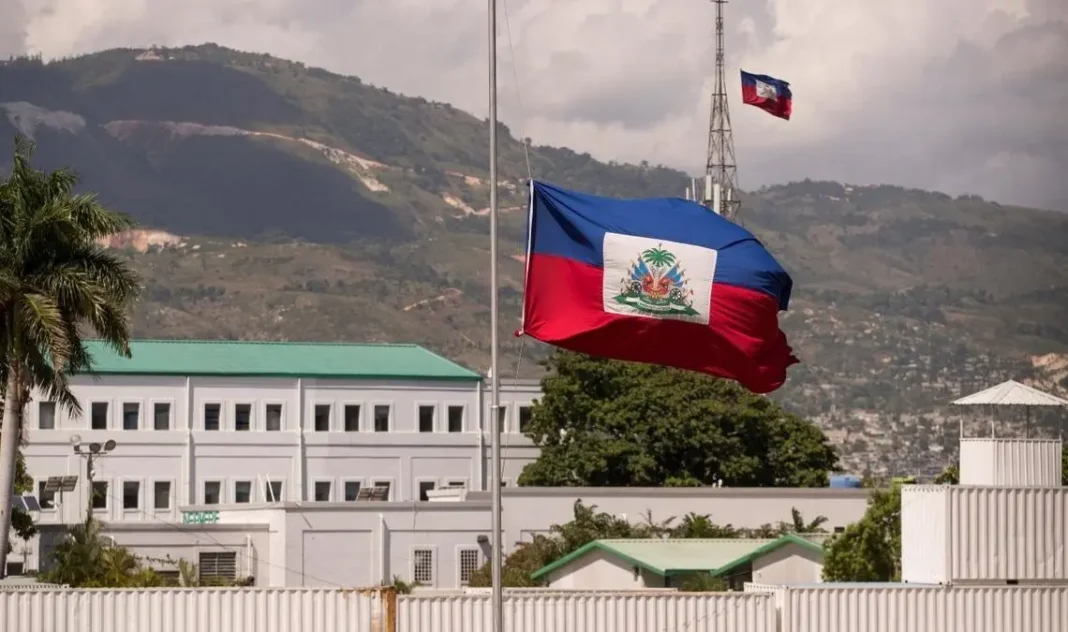

In a statement released through its official Facebook page, the Haitian Ministry of Foreign Affairs expressed its concern about the consequences that this decision could have for Haitian families, both inside and outside the country. The Foreign Ministry highlighted that this new restriction coincides with a critical moment, in which the Haitian government, with international support, is fighting to contain the growing insecurity and reinforce control of its borders.
You can also read: Abinader calls for national dialogue in the face of the Haitian crisis
The Ministry reaffirmed Haiti's commitment to work towards finding "quick solutions" to the current situation and reiterated its willingness to continue dialogue and cooperation with the United States Government on security and migration. This position aligns with the principles of the Los Angeles Declaration on regular, safe, and orderly migration, adopted at the IX Summit of the Americas in June 2022.
The proclamation signed by Trump affects citizens of Afghanistan, Burma, Chad, Republic of the Congo, Equatorial Guinea, Eritrea, Haiti, Iran, Libya, Somalia, Sudan, and Yemen, completely prohibiting their entry into US territory. It also imposes partial restrictions on nationals of Burundi, Cuba, Laos, Sierra Leone, Togo, Turkmenistan, and Venezuela.
However, the measure contemplates specific exceptions for legal permanent residents, visa holders issued before the decree's entry into force, diplomats, representatives of international organizations, and humanitarian cases, including Haitian children adopted by U.S. citizens.
In the statement, the Haitian Ministry of Foreign Affairs also drew attention to the threat posed by armed gangs, recently classified as terrorist groups, to the country's international relations. These organizations have extended their control over a large part of Port-au-Prince and other regions, plunging the country into an unprecedented wave of violence.
According to data from the United Nations Integrated Office in Haiti (Binuh), in the first quarter of this year alone, more than 1,600 people lost their lives and at least 580 were injured in violent acts linked to armed gangs, self-defense groups, and clashes with security forces.
The Haitian government insists on its willingness to cooperate internationally to address this crisis, while facing growing internal challenges that further exacerbate the vulnerability of its population.




