
 Spanish

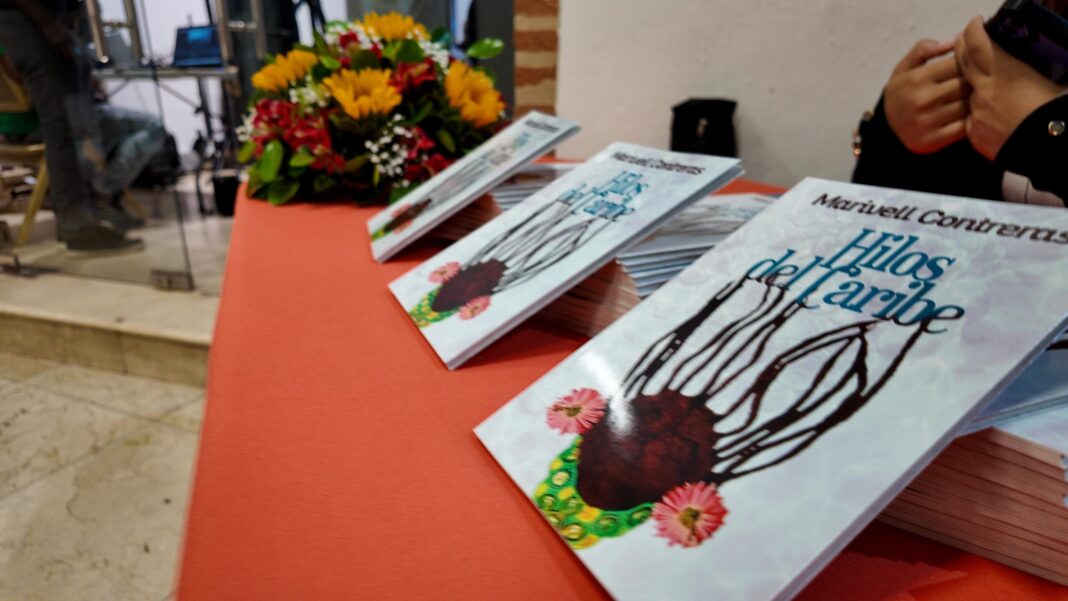

A collection of poems that proposes a poetic exploration of hair as a symbol of identity in the historical and social context of the Caribbean.
During the event, which brought together figures of cultural thought such as Dagoberto Tejeda and Ibeth Guzmán, the author shared her motivation behind the book.
“I am very happy to be able to present Hilos del Caribe, because it is the condensation of a great passion that I don't know where it was born from”, said Contreras.
“Since I was little, I understood that I had to have my hair the way I had it. I have had a whole struggle related to this and now I condense it here, in poems and verses with life, with passion and with a lot of identity”.
The author, born in Monte Plata, explained that her personal experience with social rejection towards curly hair was decisive in creating the work.
“They tell us our hair is bad. Nobody has bad hair, everyone has the hair they have, the hair that tells their story, that tells their life,” she stated.
Contreras also highlighted the link between his family history and the historical process of Dominican cultural formation, alluding to his origin in an area marked by the Devastations of Osorio in the 17th century.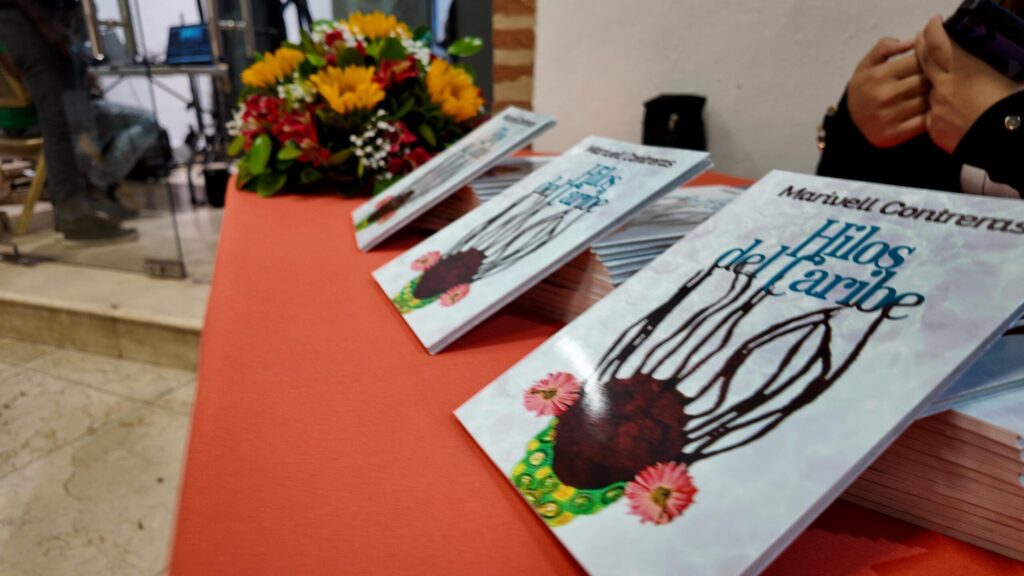
“I come from one of the most important processes within the creolization of Dominican culture. I come from that syncretism, from that mix of cultures, from that unique race in three colors that we have”, he expressed.
In the poetry collection, this historical perspective is mixed with everyday experience, addressing the ongoing social tensions surrounding aesthetic standards.
“We have a lot of loose hair on the street, but those who have hair like mine still receive criticism. I am constantly told that I should comb my hair. That hasn't been overcome,” she said.
For Contreras, Hilos del Caribe is also a call to look at ourselves honestly: “We have to put our finger where it hurts, respect others, recognize ourselves in the mirror. That not only improves our relationships, it also makes us better people”.
The visual design of the book was handled by the artist Víctor Vidal, along with the Grupo Nous team. During the presentation, Guzmán praised the stylistic boldness of the text and its ability to intertwine narrative, rhyme, and poetic transparency, while Tejeda highlighted its relevance in the debate on Afro-Caribbean identity.
You can read: Marivell Contreras states that “no one has to stop being who they are to be who someone else wants”
Hilos del Caribe is now available to the public and with this work, Contreras joins a literary current that seeks to make Afro-descendant roots visible from an intimate, poetic, and social perspective.





