
 Spanish

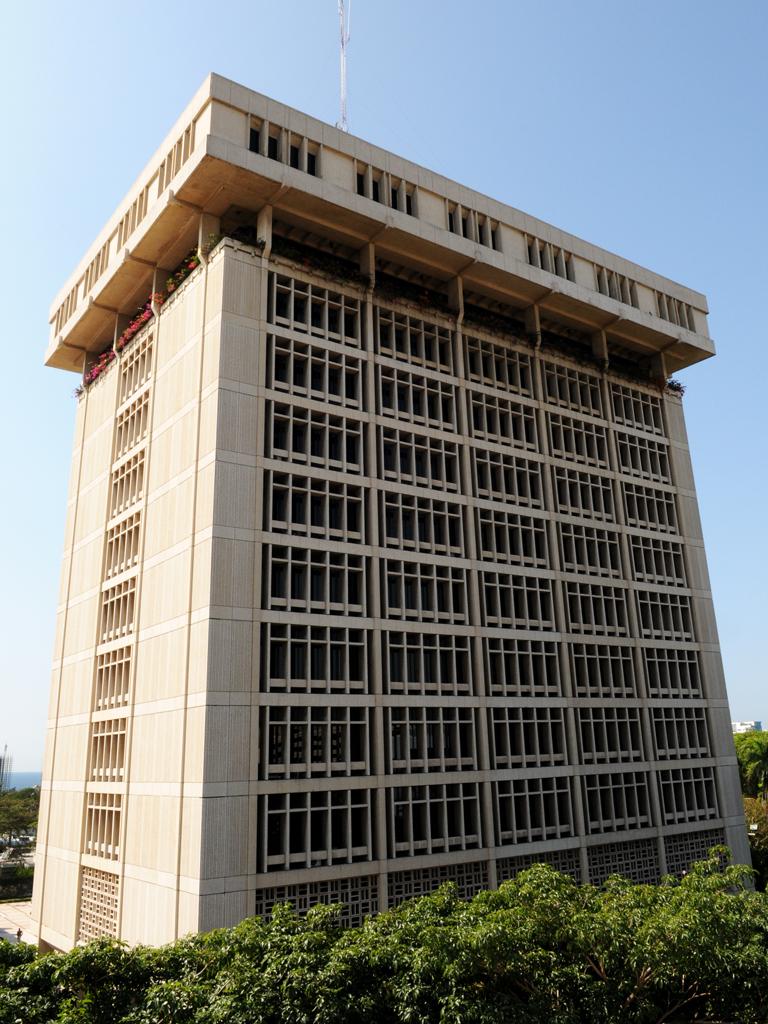

Santo Domingo. — Foreign direct investment (FDI) in the Dominican Republic reached US$2,892.8 million during the first half of 2025, registering a growth of 15.3% compared to the same period of the previous year, reported this Monday the Central Bank of the Dominican Republic (BCRD).
This performance consolidates the country as the main recipient of FDI in Central America and the Caribbean for the third consecutive year, according to the United Nations Conference on Trade and Development (UNCTAD). Projections indicate that by the end of the year, investment flows will exceed US$4,700 million.You may be interested in: Did remittances skyrocket? Western Union branches are crowded
According to the BCRD, the tourism and energy sectors accounted for nearly half of the investment captured. In particular, the energy sector has shown remarkable growth, rising from representing 7.5% in 2019 to 25.7% in this first semester, driven by state incentives for renewable energies. This progress has been highlighted in the World Investment Report 2025 by UNCTAD. The real estate sector has also played a relevant role, favored by the boom in tourism and the recovery after the COVID-19 pandemic. In addition to the increase in FDI, the Dominican economy also reported a solid performance in other areas during the first six months of the year:- Remittances: increased by 11.2 %.
- Exports: exceeded US$7,400 million, with an increase of 10.4 %.
- Exports of gold stand out, which grew by 48.3 % driven by historic prices and improvements in production.
- Free trade zones contributed nearly US$4,250 million, with a year-on-year growth of 2.3 %.
- Tourism revenue: reached US$5,800 million, 1.8% more than in the same period of 2024, supported by the arrival of 6.1 million tourists by air and sea. In total, foreign exchange revenues from FDI, remittances, tourism, exports, and other services totaled approximately US$23.9 billion between January and June 2025, thus strengthening the exchange rate stability. The Central Bank reiterated its commitment to maintain close vigilance over the international economic environment, with the aim of preserving price and exchange rate stability in the country.





