Asadabad (Afghanistan).- At least 1,124 people died and 3,251 were injured due to the
earthquake of magnitude 6.0 that shook the eastern province of Kunar and other nearby regions of Afghanistan on Sunday night, the Afghan Red Crescent reported this Tuesday.
The organization detailed on the social network X that the earthquake caused serious human and material losses in districts such as Nurgal, Sawkay, Watapur and Manugai, as well as areas of Laghman and Nangarhar.
According to the entity, "many people are still trapped under the rubble" and "rescue efforts continue" and more than 8,000 homes have been destroyed.
The UN humanitarian coordinator in Afghanistan, Indrika Ratwatte, warned that the number of victims "will likely increase," while the organization estimates the affected at more than 12,000.
"Today is the second day since the earthquake, more than 32 hours have passed, and the injured continue to arrive," explained Dr. Sharif Khamosh, from the Regional Hospital of Nangarhar, in Jalalabad, to EFE.
"We are still receiving reports of people trapped under the rubble. Some have already died, and just this morning three aircraft brought the injured to the hospital," he added.
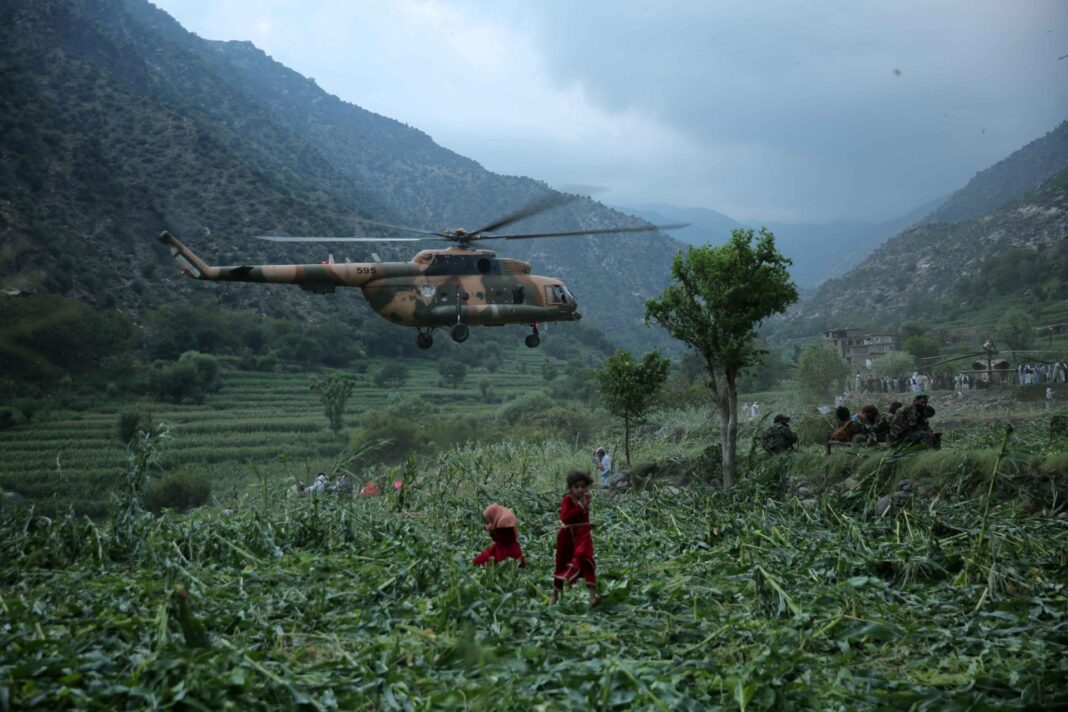
This Tuesday, a long line of vehicles traveled along one of the mountain roads to reach the affected villages in Kunar, while helicopters transported aid supplies and evacuated the injured to hospitals. During a tour of the affected areas, EFE noted traffic jams on the two-way road, some transporting the injured and others sending assistance to the devastated areas.
Taliban administration helicopters evacuate those affected to hospitals in Jalalabad and Asadabad, while heavy machinery tries to clear the roads, which have been blocked by landslides.
The destruction affects homes, schools, and mosques, as well as farmland and livestock, which exacerbates the economic vulnerability of thousands of rural families.
OCHA, the United Nations humanitarian coordination office, identified temporary shelters, potable water, medicines, and emergency food as immediate priorities.
The UN released five million dollars from its global response fund, while the United Kingdom announced one million pounds in emergency aid and India sent a thousand tents and tons of food. China, Pakistan, Iran, Egypt, and the EU also offered support.
Afghanistan, immersed in a deep economic crisis and with a healthcare system weakened by a lack of resources, faces enormous difficulties in addressing the emergency, aggravated by the restrictions imposed by the Taliban regime and the reduction of international aid in the last two years.

 Spanish