
 Spanish


Puerto Rico.- The President of the United States, Donald Trump, granted a full presidential pardon to the former governor of Puerto Rico, Wanda Vázquez Garced, who had been convicted of federal corruption, as well as to her two co-defendants in the case: the Venezuelan banker Julio Herrera Velutini and the financial advisor Mark Rossini.
The information was confirmed through the publication of official copies of the pardons, signed on January 15, 2026, on the portal of the Office of the Attorney of Clemency and Pardon of the United States Department of Justice. According to the White House, the three had been convicted for their participation in a corruption, bribery, and fraud scheme, related to the primary campaign of the New Progressive Party (PNP) in 2020. A spokesperson for the former governor indicated that, for the moment, there will be no public comments until Vázquez Garced can meet with her legal team. The former governor became the first person to govern Puerto Rico to plead guilty to corruption.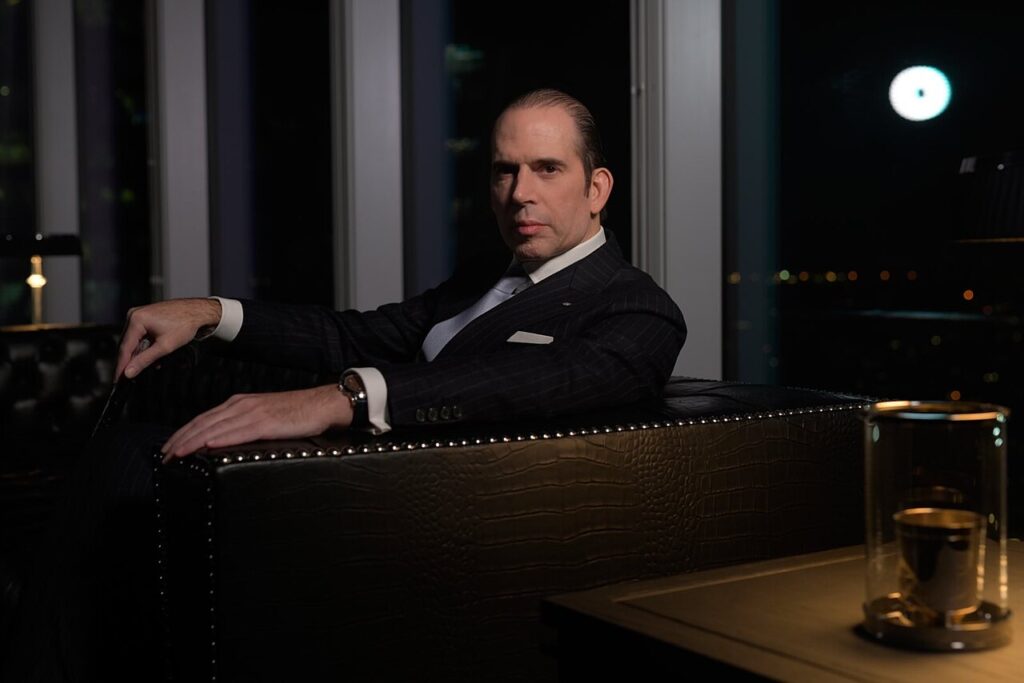
You may be interested in: Former Governor of Puerto Rico asks for donations to pay for her trial
In exchange, the then-governor agreed to remove the head of the Office of the Commissioner of Financial Institutions (OCIF), George Joyner, and appoint a person aligned with the banker's interests. Joyner had demanded corrections in the operations of the bank Bancrédito, while an examination was being conducted on suspicious transactions. As part of the agreement, Herrera Velutini — former president of Bancrédito — and Rossini, a former agent of the Federal Bureau of Investigation (FBI), promised to support Vázquez Garced's campaign with political donations and the realization of a public opinion poll, the cost of which would have amounted to $500,000 dollars. Despite that support, Vázquez Garced lost the PNP candidacy to Pedro Pierluisi, who was elected governor in the 2020 general elections. The three convicts had their sentencing hearing scheduled for January 29, although Herrera Velutini's lawyers had requested a postponement. The Federal Prosecutor's Office had recommended a one-year prison sentence for each before the granting of the pardon.



