
 Spanish

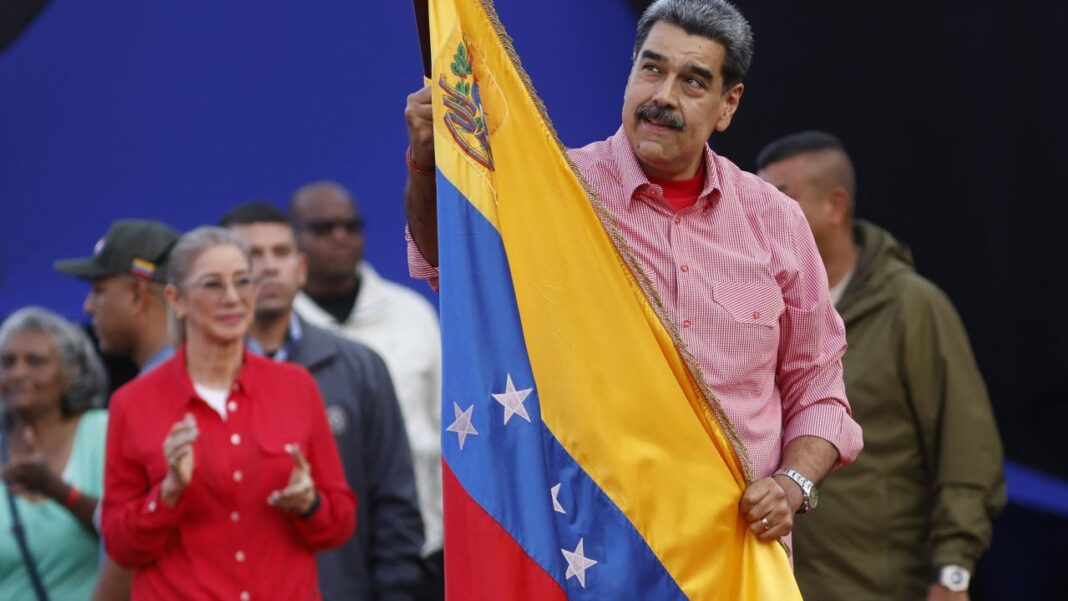
The detention of Nicolás Maduro, as a result of a military intervention by United States, would mark one of the most drastic turning points in the recent political history of Latin America.
Beyond the immediate impact, the event would raise a central question: Does this mean the end of Chavismo after 26 years in power, or merely the beginning of a complex and prolonged transition?
If Washington goes from being an actor of diplomatic pressure to a direct protagonist of the breakdown, its role would be under intense international scrutiny. The legitimacy of the subsequent process would depend on how quickly the United States cedes prominence to a Venezuelan civil authority, backed by multilateral organizations. A prolonged presence or excessive influence could fuel the discourse of occupation and victimization, while a gradual withdrawal, accompanied by technical and financial support, would facilitate a more internally and externally accepted transition. The Chavismo After Power
Far from disappearing, Chavismo would likely enter a phase of reconfiguration. Without control of the State, it could transform into a minority but organized political force, with the capacity for social and electoral influence in the medium term. This point is crucial, as excluding Chavismo from the political process could sow the seeds of future conflicts. Integrating it under clear democratic rules would be one of the great dilemmas of the new cycle. For the Venezuelan opposition, and figures like María Corina Machado, the scenario would represent both a symbolic victory and a historical test of political maturity. Moving from confrontational discourse to state management, reconciliation, and institutional reconstruction would require broad consensus and difficult decisions. The challenge would not only be to gain power, but to build governability in a country marked by polarization, economic collapse, and a deep social fracture. More than an end point of Chavismo, now Venezuela begins a long, fragile and watched transition process.
You may be interested in: http://Maduro será enjuiciado en Nueva York por narcoterrorismo y posesión de armas de guerra, afirma fiscal general de Estados Unidos
The first element to consider is that the abrupt fall of the head of the Executive does not automatically equate to the dissolution of the political system that supported him. Chavismo, more than a government, became over time a power structure with ramifications in the Armed Forces, the public administration, the judicial apparatus, and strategic economic sectors. The capture of Maduro would imply the collapse of the power vertex, but not necessarily the immediate disappearance of its bases. In fact, in the first hours and days after the event, the main challenge would be to avoid a vacuum of authority that leads to institutional disorder or internal confrontations. The Armed Forces, a Decisive Actor In any post-Maduro scenario, the role of the Bolivarian National Armed Forces would be decisive. Their reaction, whether cooperation, withdrawal, or fragmented resistance, would define whether the transition proceeds in a relatively orderly manner or enters a phase of instability. A key element would be whether the high command chooses to distance itself from the fallen political leadership to preserve the institution, or if internal sectors try to maintain power quotas. Regional history shows that forced transitions usually depend more on these decisions than on formal political announcements. United StatesIf Washington goes from being an actor of diplomatic pressure to a direct protagonist of the breakdown, its role would be under intense international scrutiny. The legitimacy of the subsequent process would depend on how quickly the United States cedes prominence to a Venezuelan civil authority, backed by multilateral organizations. A prolonged presence or excessive influence could fuel the discourse of occupation and victimization, while a gradual withdrawal, accompanied by technical and financial support, would facilitate a more internally and externally accepted transition. The Chavismo After Power
Far from disappearing, Chavismo would likely enter a phase of reconfiguration. Without control of the State, it could transform into a minority but organized political force, with the capacity for social and electoral influence in the medium term. This point is crucial, as excluding Chavismo from the political process could sow the seeds of future conflicts. Integrating it under clear democratic rules would be one of the great dilemmas of the new cycle. For the Venezuelan opposition, and figures like María Corina Machado, the scenario would represent both a symbolic victory and a historical test of political maturity. Moving from confrontational discourse to state management, reconciliation, and institutional reconstruction would require broad consensus and difficult decisions. The challenge would not only be to gain power, but to build governability in a country marked by polarization, economic collapse, and a deep social fracture. More than an end point of Chavismo, now Venezuela begins a long, fragile and watched transition process.





