Spanish

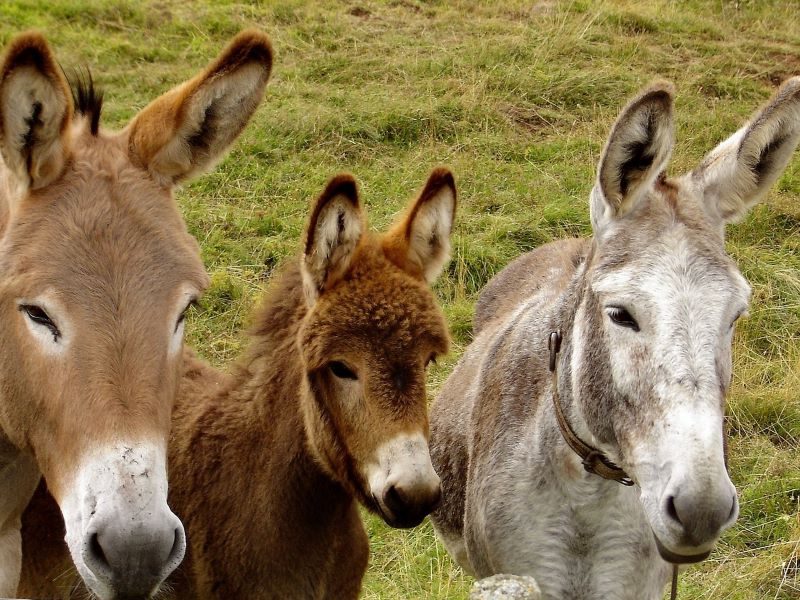

Every May 8th, the world pays tribute to one of the most underestimated yet essential animals in human history: the donkey, an intelligent, sociable, and highly resilient being.
This date, known as World Donkey Day, was established on the initiative of the scientist Razik Ark, a scholar of desert animals, with the purpose of disseminating the invaluable contribution of this noble quadruped to the life and development of people over time.
A charismatic and resilient animal
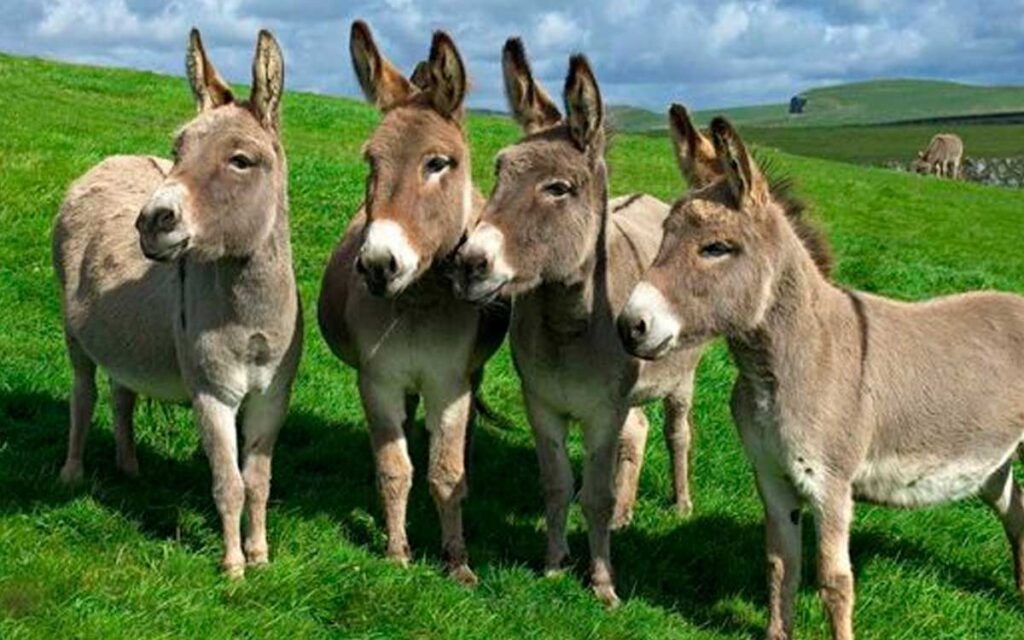
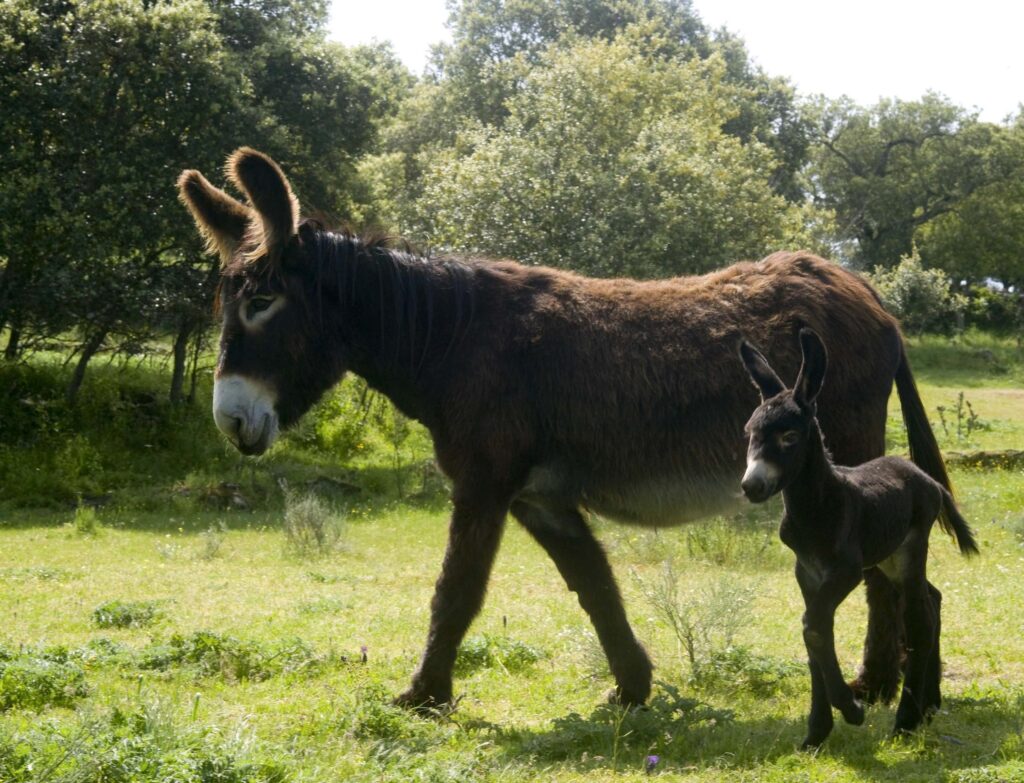
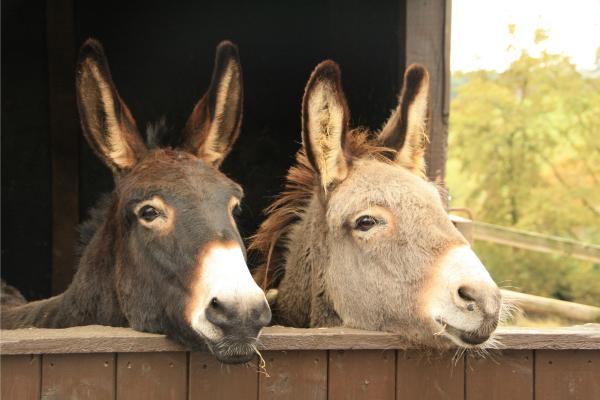
Also known as donkey, ass, jenny or jackass, the burro is part of the equidae family (class Mammalia, species E. africanus). It has long ears, a thin and hairy tail, and a size that ranges from 0.90 to 1.40 meters. Generally gray in coat and with a calm temperament, this mammal can live between 27 and 40 years, even more than many horses.
Originally from North Africa, there is evidence that it was domesticated about 6,000 years ago, initially to take advantage of its milk and meat. However, its greatest legacy has been its use as a pack animal, especially on trade routes such as the legendary Silk Road, where it transported goods from the Pacific Ocean to the Mediterranean.
A Vital Role in the Present
Nowadays, the donkey continues to play a fundamental role in rural and agricultural communities. It is used to plow the land, transport water from wells, move goods, and take care of herds. Furthermore, in some regions of the world, these animals contribute to the balance of ecosystems, helping to control vegetation and promoting biodiversity in forest areas.
World Donkey Day not only seeks to celebrate their history, but also to raise awareness about their current situation. Many animal protection organizations take advantage of this date to promote conservation campaigns, promote decent treatment, guarantee adequate feeding and ensure fair living conditions for these faithful companions.
Fun facts about donkeys
Despite the prejudices that have marked their image (erroneously associating them with stubbornness or slowness), donkeys are intelligent, sociable, and very resilient animals. Here are some fascinating facts about them:
- It is estimated that there are more than 44 million donkeys in the world.
- They live longer than horses and can regulate their body temperature.
- They are able to perceive sounds from kilometers away thanks to their large ears.
- In arid areas, they can dig the ground in search of groundwater, showing a surprising ability to adapt.
- In countries like China, India, Spain, Portugal and England there are initiatives for their protection and dignification.
- In Ethiopia, a popular saying states: “If you don't have a donkey, you are a donkey”, highlighting its cultural and practical importance.