Santo Domingo.-The Judicial Office of Permanent Attention Services of the National District imposed a year of preventive prison against nine people accused of being part of an alleged criminal structure dedicated to committing fraud against Banco BHD, causing losses exceeding RD$200 million. The coercive measure was ordered by Judge Rigoberto Sena, who also declared the […]
Error en el proceso de traducción Error en el proceso de traducción Error en el proceso de traducción Error en el proceso de traducción Error en el proceso de traducción Error en el proceso de traducción Error en el proceso de traducción
Error en el proceso de traducción Error en el proceso de traducción Error en el proceso de traducción Error en el proceso de traducción Error en el proceso de traducción Error en el proceso de traducción Error en el proceso de traducción
Error en el proceso de traducción Error en el proceso de traducción Error en el proceso de traducción Error en el proceso de traducción Error en el proceso de traducción Error en el proceso de traducción
Error en el proceso de traducción Error en el proceso de traducción Error en el proceso de traducción Error en el proceso de traducción Error en el proceso de traducción Error en el proceso de traducción Error en el proceso de traducción Error en el proceso de traducción Error en el proceso de traducción Error […]
Error en el proceso de traducción Error en el proceso de traducción Error en el proceso de traducción Error en el proceso de traducción Error en el proceso de traducción Error en el proceso de traducción Error en el proceso de traducción Error en el proceso de traducción Error en el proceso de traducción Error […]
Error en el proceso de traducción Error en el proceso de traducción Error en el proceso de traducción Error en el proceso de traducción Error en el proceso de traducción Error en el proceso de traducción Error en el proceso de traducción Error en el proceso de traducción Error en el proceso de traducción Error […]
Error en el proceso de traducción Error en el proceso de traducción Error en el proceso de traducción Error en el proceso de traducción Error en el proceso de traducción Error en el proceso de traducción Error en el proceso de traducción Error en el proceso de traducción Error en el proceso de traducción
Error en el proceso de traducción Error en el proceso de traducción Error en el proceso de traducción Error en el proceso de traducción Error en el proceso de traducción Error en el proceso de traducción Error en el proceso de traducción Error en el proceso de traducción Error en el proceso de traducción Error […]
Error en el proceso de traducción Error en el proceso de traducción Error en el proceso de traducción Error en el proceso de traducción Error en el proceso de traducción Error en el proceso de traducción Error en el proceso de traducción Error en el proceso de traducción Error en el proceso de traducción Error […]
Error en el proceso de traducción Error en el proceso de traducción Error en el proceso de traducción Error en el proceso de traducción Error en el proceso de traducción Error en el proceso de traducción Error en el proceso de traducción Error en el proceso de traducción Error en el proceso de traducción Error […]
Error en el proceso de traducción Error en el proceso de traducción Error en el proceso de traducción Error en el proceso de traducción Error en el proceso de traducción Error en el proceso de traducción Error en el proceso de traducción Error en el proceso de traducción Error en el proceso de traducción Error […]
The NASA and ESA's Hubble Space Telescope has revealed with unprecedented precision the structure of NGC 3137, a spiral galaxy located 53 million light-years away. This observation, built from six different color bands, offers a key perspective to understand the development and life cycle of stars. According to NASA, NGC 3137 is located in the […]
New York.- The tech giant Apple agreed to pay 250 million dollars to settle a class action lawsuit in the United States that accused the company of misleading advertising by exaggerating the artificial intelligence (AI) capabilities of its iPhone 15 and 16 devices. The lawsuit, filed in a federal court in San Francisco, alleged that […]
Error en el proceso de traducción Error en el proceso de traducción Error en el proceso de traducción Error en el proceso de traducción Error en el proceso de traducción Error en el proceso de traducción Error en el proceso de traducción Error en el proceso de traducción The Hyodol and Dasomi have motion sensors […]
Donald Trump canceled his attendance at his son's wedding Donald Trump Jr. in the Bahamas and interrupted a weekend trip to New Jersey to remain at the White House, according to the president himself this Friday through his Truth Social network, alleging “circumstances related to the government”. "Although I really wanted to be with my son, Don […]
Bolivia registered a new day of massive protests in La Paz that left clashes between protesters and riot police, with tear gas, stones and dynamite cartridges, in an escalation of pressure to demand the resignation of President Rodrigo Paz, as confirmed by the AFP agency. Farmers, workers, miners, transporters, and teachers —many of them with helmets, ponchos, and indigenous […]
Apple incorporated in its iPhone a function that facilitates access to essential tools through gestures on the back of the device. One of the most practical utilities is the possibility of turning on the flashlight with just two taps in the area where the apple characteristic of the Apple logo is located. This function, initially designed for accessibility, has become […]
It has been just over a month since pain and uncertainty definitively settled in the home of the Merlo Espinoza family. On April 9th, the Judicial Investigation Organization (OIJ) of Costa Rica made the macabre discovery of the lifeless body of Junieysis Adely Merlo Espinoza, a young Nicaraguan woman and well-known tiktoker, who was buried […]
The name of Heber Argueta went from moving in silence within intelligence reports to becoming one of the most wanted in Honduras after the failed operation in Corinto, Omoa, where five agents of the DIPAMPCO were killed during an ambush attributed to drug trafficking structures. Honduran authorities maintain that Argueta would be a criminal operator […]
The free experience will take place from June 11 to July 19 at Ecos Sport Puerto Rico, combining soccer, music, culture, and sports for the whole island. Puerto Rico —. Global superstar Rauw Alejandro continues to expand his vision of support for sports and culture in his native Puerto Rico with the official announcement of […]
Christian singer Lilly Goodman indirectly reacted to the controversy that erupted on social media following the statements of Juan Carlos Rodríguez, a member of Tercer Cielo, who publicly accused her of not acknowledging the support she received from him and Marcos Yaroide at the beginning of her artistic career. In the midst of the intense […]
The renowned Dominican businessman Santiago Matías “Alofoke” has publicly shown his support for Celinee Santos during her participation in the reality show “La casa de los famosos 6”, broadcast by Telemundo. In the past few days, the former Dominican queen was on the elimination line, a situation that motivated Matías to make a massive call […]
The singer and songwriter Nacho Estrella announced this Friday on Planeta Alofoke that he is working on a new song titled "Love is in Fashion," inspired by social concern for femicides and gender violence in the Dominican Republic. The initiative arose after a debate held last Wednesday during the "primetime" of the program, in which […]
The businessman and former baseball player Alex Rodríguez ended his relationship with personal trainer and bodybuilder Jaclyn Cordeiro, ending a relationship that lasted for more than three years and was marked by constant public appearances related to fitness and family life. Cordeiro herself confirmed the separation through a statement, in which she assured that they […]
Although the Central Electoral Board has not officially kicked off the presidential pre-campaign for 2028, the Dominican political scene shows unequivocal signs of early activation. The main parties are moving as if the contest were underway, multiplying events, refining speeches and appealing to polls to legitimize positions, in a context where public opinion is beginning […]
A country can ignite from a chat: WhatsApp sets the agenda before the media. A single forward surpasses any headline. In the digital age, the real information crisis doesn't ignite in the newsrooms of a media outlet, nor on the front pages of newspapers: it begins in a simple WhatsApp chat. Before any media outlet […]
In the Dominican Republic, presidents don't fall because of the opposition. They fall because of something more intimate and devastating: their own family. When corruption shares the same last name as the presidential band, it ceases to be a case and becomes a sentence. It's not a contract that is judged: it's the entire credibility […]
In 2015, an internal crisis within the Dominican Liberation Party (PLD) forced the leadership of that organization to promote a constitutional reform to enable President Danilo Medina, who had been elected in 2012 through a constitution that prohibited consecutive re-election. Medina was eligible to try to return in 2020, that is, after a period, a […]
For days, Leonardo Aguilera has been the target of a campaign as evidently coordinated as it is poorly executed. Defamation, slander, and half-truths circulate on networks and certain media with suspicious synchronicity. Who's sending them? Who's biting their nails? The formula is old: fabricate scandals where they don't exist, repeat lies until they seem like […]
Seguros Reservas carried out the process corresponding to the Selection Procedure for Buyers and Disposal of Salvaged Vehicle Lots, developed under a structured scheme of transparency, objectivity, and institutional control, in accordance with the provisions of the Terms of Reference SR-SALV-001-2026. This contest constitutes the first process carried out by the institution under the modality […]
Error en el proceso de traducción Error en el proceso de traducción Error en el proceso de traducción Error en el proceso de traducción Error en el proceso de traducción Error en el proceso de traducción Error en el proceso de traducción Error en el proceso de traducción Error en el proceso de traducción Error […]
Error en el proceso de traducción Error en el proceso de traducción Error en el proceso de traducción Error en el proceso de traducción Error en el proceso de traducción Error en el proceso de traducción Error en el proceso de traducción Error en el proceso de traducción Error en el proceso de traducción Error […]
Error en el proceso de traducción Error en el proceso de traducción Error en el proceso de traducción Error en el proceso de traducción Error en el proceso de traducción Error en el proceso de traducción Error en el proceso de traducción Error en el proceso de traducción Error en el proceso de traducción Error […]
Error en el proceso de traducción Error en el proceso de traducción Error en el proceso de traducción Error en el proceso de traducción Error en el proceso de traducción Error en el proceso de traducción Error en el proceso de traducción Error en el proceso de traducción
Error en el proceso de traducción Error en el proceso de traducción Error en el proceso de traducción Error en el proceso de traducción Error en el proceso de traducción Error en el proceso de traducción Error en el proceso de traducción Error en el proceso de traducción
Higüey. – The bishop of the Diocese Nuestra Señora de La Altagracia, Jesús Castro Marte, led this Wednesday the presentation of the book “Strategic Plan La Altagracia 2030”, in an event held at the Museum of La Altagracia that was described as a historic event for the province. The activity was organized by the Bishopric […]
Both institutions honor their 45-year career and the international impact of Dominican fashion Miami. — Renowned Dominican designer Giannina Azar was declared a “Distinguished Visitor” by Miami-Dade County, in the state of Florida, during an event in which she also presented a charity fashion show in support of a non-profit organization. The recognition was presented […]
Error en el proceso de traducción Error en el proceso de traducción Error en el proceso de traducción Error en el proceso de traducción Error en el proceso de traducción Error en el proceso de traducción Error en el proceso de traducción Error en el proceso de traducción Error en el proceso de traducción Error […]
Punta Cana.– Crafts and local cultural expressions continue to gain space within Dominican tourism, as was evidenced during the development of the Dominican Annual Tourism Exchange (DATE) 2026, fair organized by the Association of Hotels and Tourism of the Dominican Republic (Asonahores) with the support of the Ministry of Tourism of the Dominican Republic. Event […]
If anything has been highlighted by the prolonged Haitian crisis, it is the historical debt that the Dominican Republic has with its own border. The provinces that guard that line of more than 390 kilometers not only face the direct consequences of the collapse of the Haitian state, but have also been, for decades, forgotten […]
Without a doubt, the tourism sector represents one of the greatest successes of the governments of President Luis Abinader, an area that he already knew well before his arrival at the Presidency of the Republic, due to his experience as a local businessman. Since his swearing-in in August 2020, the Tourism Cabinet was implemented, coordinated […]
This July 4th, the United States commemorates the 249th anniversary of its independence, a date that marks the beginning of a nation forged in the fight for freedom, civil rights, and self-determination. Since then, this feat has been celebrated in multiple cultural expressions that exalt patriotic pride and the sense of national belonging. However, on […]
Today we proudly and gratefully celebrate the fourth anniversary of De Último Minuto, a project that was born with the firm conviction of transforming the way information is reported in the Dominican Republic. In these four years, we have witnessed —and been protagonists— of a revolution in digital journalism, marked by immediacy, technological innovation, and […]
On the eve of celebrating the fourth anniversary of De Último Minuto, we reaffirm our commitment to innovation, technology and, above all, to you: our readers. We are driven by the constant desire to evolve, to do things differently and to keep up with the times. Therefore, today we present two new products that will […]
Qatar, officially named State of Qatar, is a sovereign Arab state located in Western Asia that occupies the small peninsula of the same name in the east of the Arabian Peninsula. It has a single land border, to the south with Saudi Arabia, while the rest of the territory is bathed by the waters of the Persian Gulf. A strait of water separates this peninsula from the island State of Bahrain.
The first historical inhabitants of Qatar were the Canaanites. Islam arrived in the 7th century and led Qatar to successively become part of the Umayyad and Abbasid caliphates.
The official form of Islam in Qatar is Sunni Islam. The country practices Sharia (Islamic law) in legal and social aspects, although with limited tolerance for foreign religions within authorized premises.
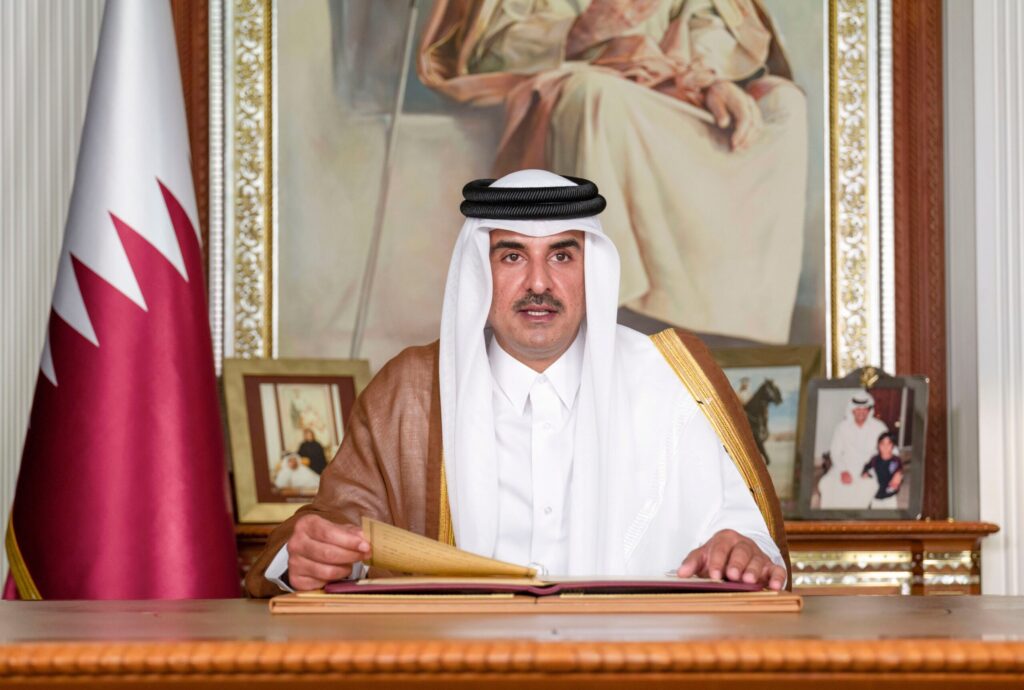
Qatar is an absolute monarchy that has been ruled by the Al Thani family since the mid-19th century, the Emir, who is the head of state, leads the country with the support of his family. Emir Tamim bin Hamad Al Thani has been ruling since 2013. Qatari culture stems from the nomadic desert lifestyle: hospitality, resilience, orality, and simplicity.
The official language is Arabic, although English is widely used in business and among foreigners. Communication is usually respectful and formal, with emphasis on courtesy and honor.
Before the discovery of oil in its territory, it was famous for the collection of pearls and for its maritime trade. Qatar is a key ally of the West and home to U.S. military bases.
In 1971 Qatar obtained full independence from the United Kingdom. That same year it refused to join the United Arab Emirates and remained a sovereign country.
Qatar possesses the third largest world reserve of natural gas, which has turned the small emirate into the country with the highest per capita income on the planet in 2012 and has led it to reach the second highest human development index in the Arab world (behind the United Arab Emirates).
In order to promote tourism, Qatar has invested billions of dollars in infrastructure improvements, organized the 2006 Asian Games and the 2022 FIFA World Cup, the first Arab country to achieve this. It will also host the 2030 Asian Games.
Qatar combines Arab tradition, modern architecture, desert, coast and culture, offering a unique experience, among its most popular places are:
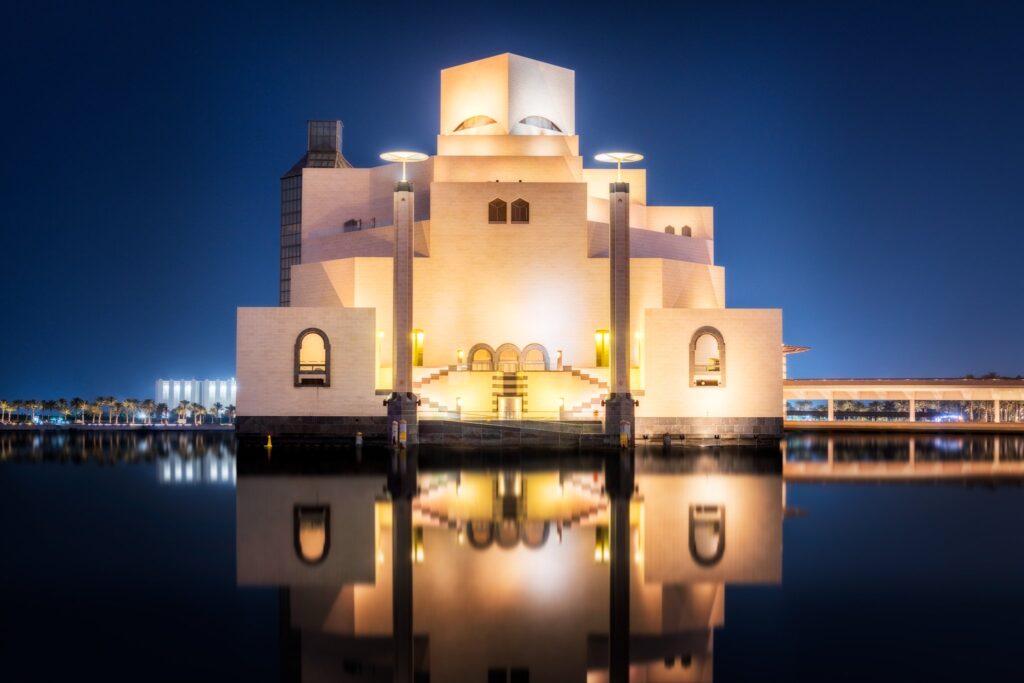
Museum of Islamic Art (Museum of Islamic Art – MIA)
The Museum of Islamic Art in Doha is a museum located in Doha, the capital of Qatar, dedicated to Islamic art from the 7th to the 19th century, which includes various objects from manuscripts to textiles. The building is the work of the Sino-American architect Ieoh Ming Pei and was inaugurated and opened to the public on December 1, 2008.
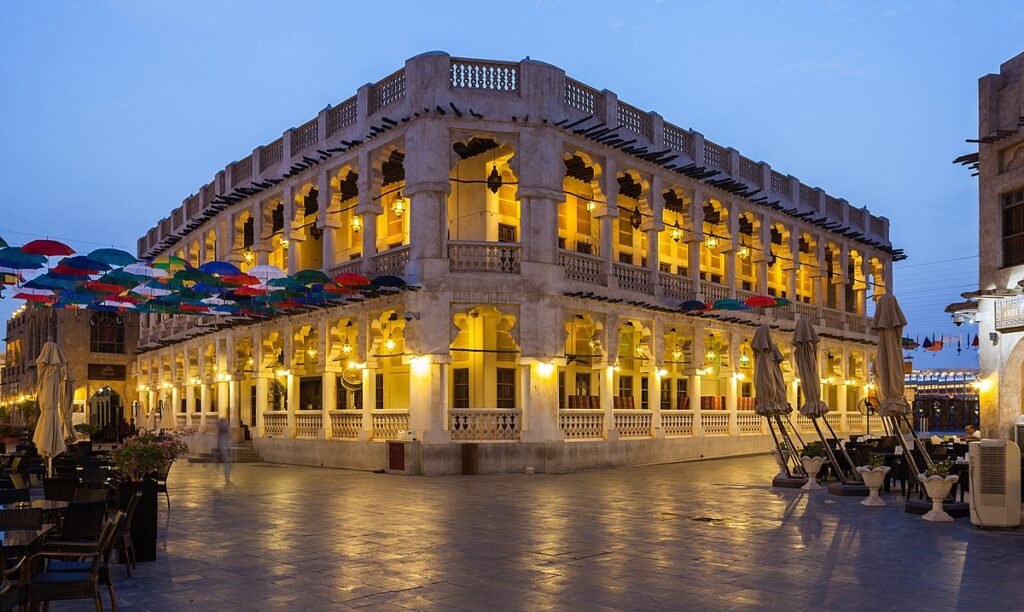
Souq Waqif
It is a market located in Doha, in the state of Qatar. The souq is popular for its stalls with traditional clothing, handicrafts, and souvenirs. It also has dozens of restaurants and terraces for smoking shisha. Thousands of people from all over the region frequent it to acquire traditional goods. It also has several art galleries, local events and concerts, including a theater, Al Rayyan, with a capacity of 980 people.
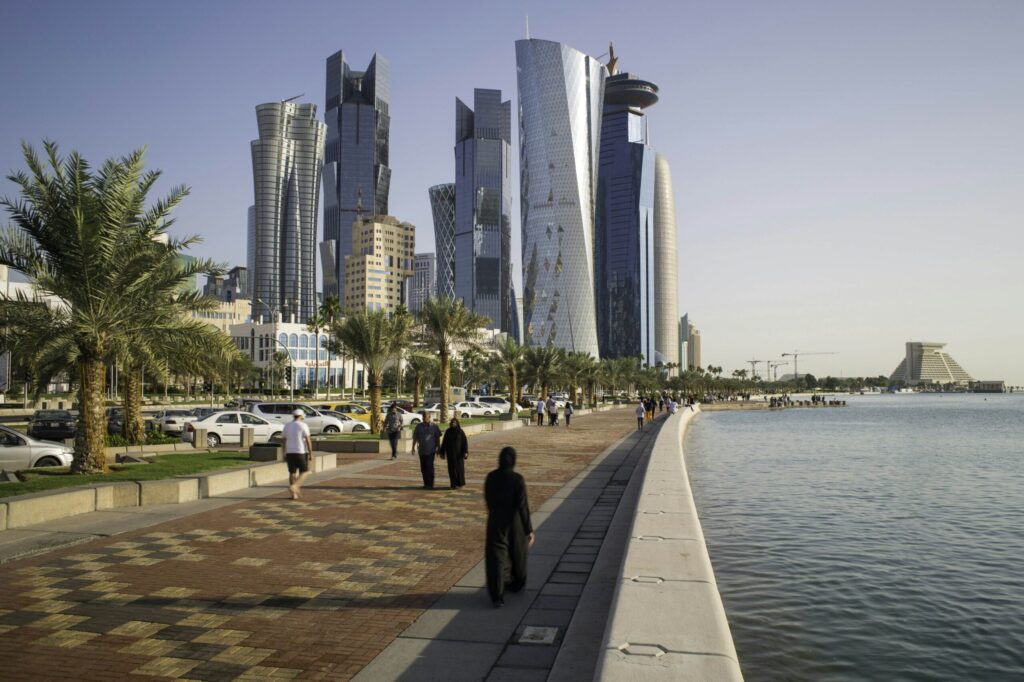
Doha Corniche
The corniche of Doha is a seven-kilometer-long waterfront promenade that stretches along Doha Bay in the capital of Qatar. Annual celebrations of national holidays such as Qatar National Day and National Sports Day are held around the corniche of Doha. It is a popular tourist and leisure attraction in Qatar, where one can sit, have a coffee and watch people go by to learn about their culture.
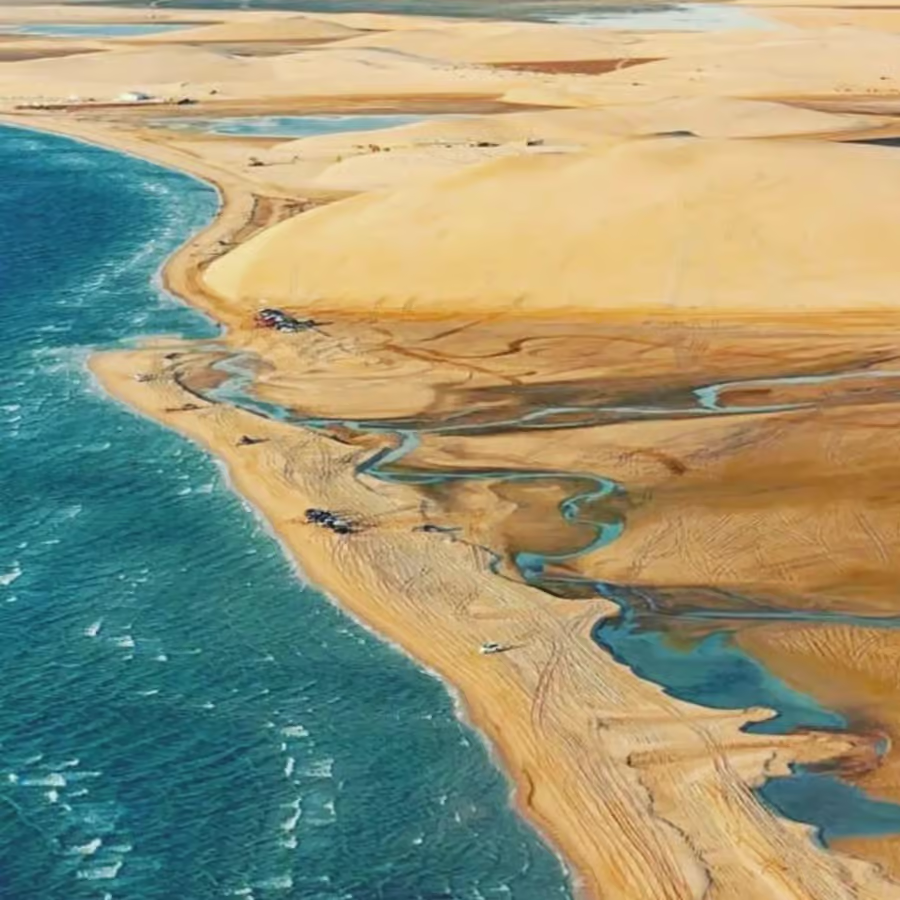
The inner sea
It is one of the most unusual landscapes in the Arabian Peninsula: a natural lagoon surrounded by wonderful dunes. This place is a nature reserve located in the southeast of the country, where the desert dunes meet the waters of the Persian Gulf. The area was declared a nature reserve in 2007 and has been proposed for inclusion on the World Heritage list of Unesco.
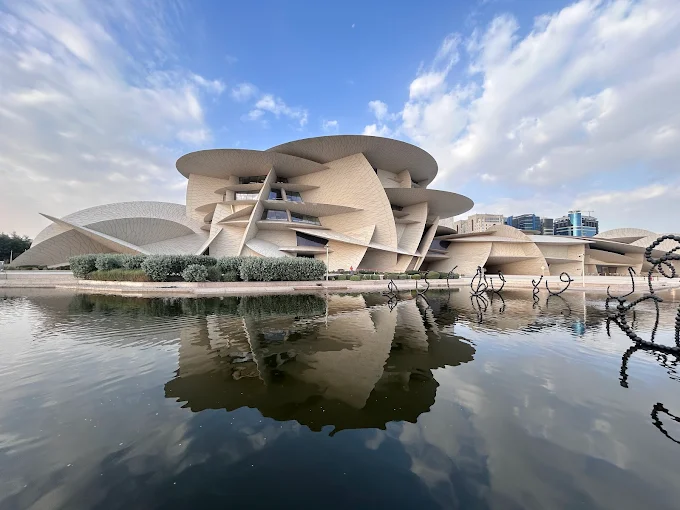
Qatar National Museum
Located in Doha next to the Corniche, it is a cultural and architectural masterpiece that tells the history of the country from prehistoric times to modernity. The building, designed by Pritzker architect Jean Nouvel, recreates the shape of the "desert rose" with 539 intertwined discs of reinforced concrete, steel and glass. This structure offers natural shade and reflects the geology of the environment.
Qatari Gastronomy
Influenced by Arab, Indian, Persian, and Gulf cuisine.
Typical dishes:
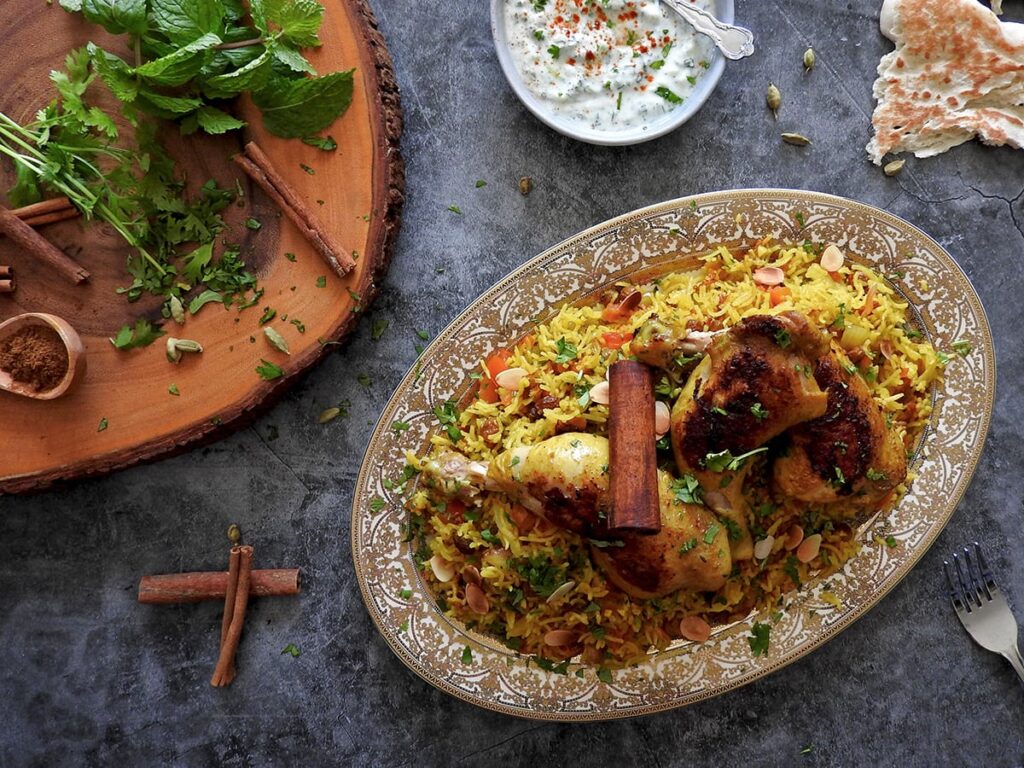
Machbous: rice with meat or fish and spices.
Harees: crushed wheat with meat.
Samboosas (like dumplings) and sweets with dates and honey.
Arabic coffee (qahwa) and mint tea are symbols of hospitality.
Interesting facts about Qatar
In Qatar, there are no income taxes. Citizens and residents do not pay personal income tax, and many services such as health and public education are free for nationals.
Qatar organizes camel races… with robot jockeys! To avoid the use of children as jockeys, they were replaced by small radio-controlled robots. The races are a very popular traditional sport.
In summer, temperatures can exceed 50 °C (122 °F). Qatar is one of the hottest countries in the world. Some public spaces have outdoor air conditioning (such as in souks and stadiums).
Qatar is the home of Al Jazeera, the most influential Arab media outlet. Founded in 1996, Al Jazeera became the first Arab news channel with global reach, revolutionizing news coverage in the Muslim world
88% of the population is foreign. Qatar has a population of almost 3 million, but only around 12% are Qatari citizens. The rest are immigrants, mainly from South Asia and other parts of the Middle East.
Every May 23rd, World Turtle Day is celebrated, a date dedicated to raising awareness about the importance of protecting this ancient species, which faces multiple threats that have led it to be at risk of extinction. This anniversary invites reflection on the role of turtles in ecosystems and the urgent need to act for their […]
Error en el proceso de traducción Error en el proceso de traducción Error en el proceso de traducción Error en el proceso de traducción Error en el proceso de traducción Error en el proceso de traducción Error en el proceso de traducción Error en el proceso de traducción
Error en el proceso de traducción Error en el proceso de traducción Error en el proceso de traducción Error en el proceso de traducción Error en el proceso de traducción Error en el proceso de traducción Error en el proceso de traducción Error en el proceso de traducción Error en el proceso de traducción Error […]
Error en el proceso de traducción Error en el proceso de traducción Error en el proceso de traducción Error en el proceso de traducción Error en el proceso de traducción Error en el proceso de traducción Error en el proceso de traducción Error en el proceso de traducción Error en el proceso de traducción Error […]
Higüey. – The bishop of the Diocese Nuestra Señora de La Altagracia, Jesús Castro Marte, led this Wednesday the presentation of the book “Strategic Plan La Altagracia 2030”, in an event held at the Museum of La Altagracia that was described as a historic event for the province. The activity was organized by the Bishopric […]
Every May 6th, World Philately Day is celebrated to commemorate the postage stamp as a system for franking correspondence. Also, a tribute is paid to the collectors of stamps, postage stamps and postal seals (philatelists) who today keep this peculiar hobby alive. What is Philately? Philately is defined as the art of collecting, classifying, buying and/or […]

 Spanish