
 Spanish

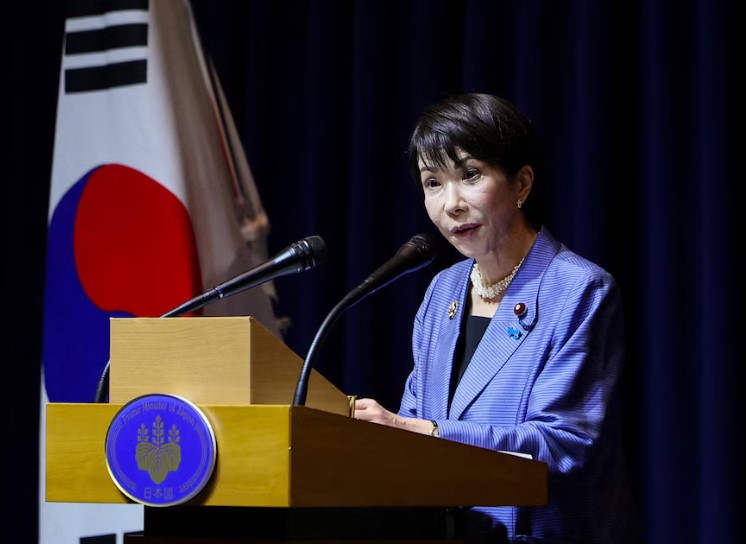
China urged its citizens to avoid traveling to Japan in the short term, intensifying a dispute following the statements of Prime Minister Sanae Takaichi, who suggested a possible Japanese intervention in the event of a military conflict related to Taiwan.
The measure represents the first significant reprisal adopted by Beijing in the controversy caused by Takaichi's comments last week, in which he indicated that the use of military force in any conflict over Taiwan could be considered a "situation that threatens survival", which would give legal basis to Japan's intervention. In a statement issued at the close of Friday, China's Ministry of Foreign Affairs stated: "The Japanese leader has recently made provocative comments about Taiwan, seriously undermining the atmosphere of exchanges between China and Japan and generating great risks to the personal safety and lives of Chinese citizens in Japan." According to Chinese authorities, Taiwan is part of its territory and Beijing reiterated its intention to claim the autonomous island, which has a population of 23 million, by force if necessary. The government demanded a retraction of the words of the prime minister, who defended her position this Monday. Neo Wang, chief macroeconomic analyst for China at Evercore ISI, based in New York, explained that "Beijing is resorting to the traditional tactic of using the spending of Chinese tourists to increase the cost of Takaichi's recent comments on Taiwan and her attitude towards the island, hoping that greater internal pressure will lead to a more cautious stance on sensitive issues for China," according to Evercore ISI.Japan Tourism Statistics data indicate that nearly 7.5 million visitors from mainland China traveled to Japan in the first nine months of the year, representing approximately a quarter of the total foreign tourists received by the country.
Chinese Vice Foreign Minister Sun Weidong summoned the Japanese ambassador to Beijing on Thursday to warn that Takaichi should retract her statements, adding that “otherwise, all consequences will have to be borne by Japan”. In addition, a commentary published in the People’s Daily, the official newspaper of the Communist Party, called the prime minister's statements “extremely sinister” and considered them Tokyo’s “first threat of force” towards Beijing in 80 years. The relations between both countries have been tense for decades due to historical disputes, such as the Japanese invasion of China in the 1930s, and current disputes over disputed islands. In recent months, the level of tension had decreased after China lifted the import ban on seafood from most Japanese regions. Japan does not maintain formal diplomatic relations with Taiwan, but has expressed its rejection of any attempt to modify the status quo unilaterally and maintains that ties across the strait must be resolved peacefully.SOURCE INFOBAE





