Spanish


February 21st is International Mother Language Day with the aim of preserving and protecting all languages and dialects spoken around the world.
2023 Theme: Multilingual Education: What is needed to transform education
Each year, a theme is established to develop and work around it, on the occasion of International Mother Language Day. For 2023, the motto is as follows: "Multilingual education: the need to transform education".
This is intended to highlight the potential of indigenous languages for education and learning, not only for population groups who speak non-dominant languages but for the whole society, as their survival affects cultural richness and global diversity.You can read: Mexico City opens a 100% electric Metrobús line
Scientists say "El Niño" phenomenon will cause "irreversible" melting in Antarctica
Topics from Previous Years
Theme 2022: The use of technology for multilingual learning: challenges and opportunities
The theme for 2022 was as follows: "The use of technology for multilingual learning: challenges and opportunities". And it refers to the important role of technology for multilingual education.2021 Theme: Fostering Multilingualism for Inclusion in Education and Society
The theme of International Mother Language Day for 2021 was "Fostering multilingualism for inclusion in education and society".
A call was made to public authorities, educators, and parents to commit to multilingual education and thus promote the recovery of education after the COVID-19 crisis. There was an online event on February 19th at 10 a.m. (Paris time). A webinar in Spanish on these topics: Rethinking inclusive policies and practices in teaching and learning in multilingual contexts.When is Mother Language Day celebrated?
In 2007, the United Nations General Assembly proclaimed this day, although it has been celebrated unofficially since the year 2000 when the UN Secretary-General, Kofi Annan, supported the celebration in his speech. The International Mother Language Day was proclaimed by the General Conference of UNESCO in November 1999.
What is the mother tongue?
It is understood as mother tongue, the first language a person acquires when they are born and which later becomes part of their life as an instrument of communication. It is also known as native language. Subsequently, if you learn another language in the course of life, then it will be considered a second language.Why is International Mother Language Day celebrated?
This day is celebrated to pay tribute to the people of Bangladesh, since, in the year 1952, when its inhabitants were in the streets celebrating the Bengali Language Movement Day, they were attacked by the Pakistan army. Many of them were killed, however, they stood firm, defending a universal right such as expressing themselves through their language.Death of some languages in the world in a vertiginous way
Mother tongues, a universal right
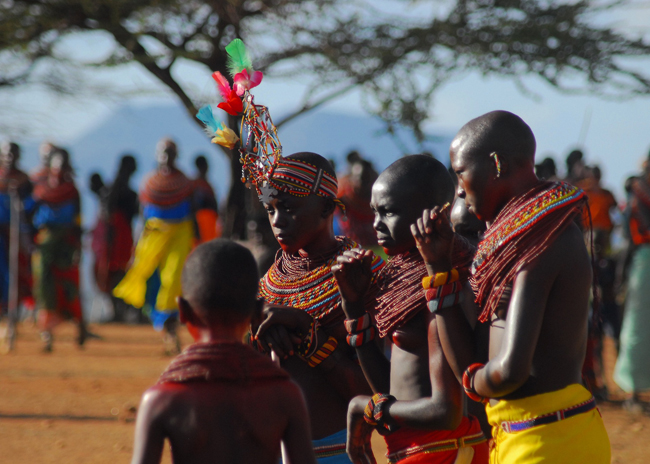
Languages can be considered a universal right, representing a part of the identity and idiosyncrasies of peoples. However, today many of them are in danger of disappearing and this is due to the social and cultural transformations that are occurring globally. This has led to a loss of the true identity of values, customs, and traditions that characterize many peoples, ethnicities, and tribes, especially those who still do not understand where humanity is heading and which, for those in the know, is only the much-mentioned, but feared word Globalization.Today, it is estimated that almost 45% of languages are gradually disappearing. This is undoubtedly an alarming figure, as we need diversity and intercultural dialogue. Hence the call from UNESCO for the protection and preservation of all languages known to date.
UNESCO in Defense of Languages