Spanish

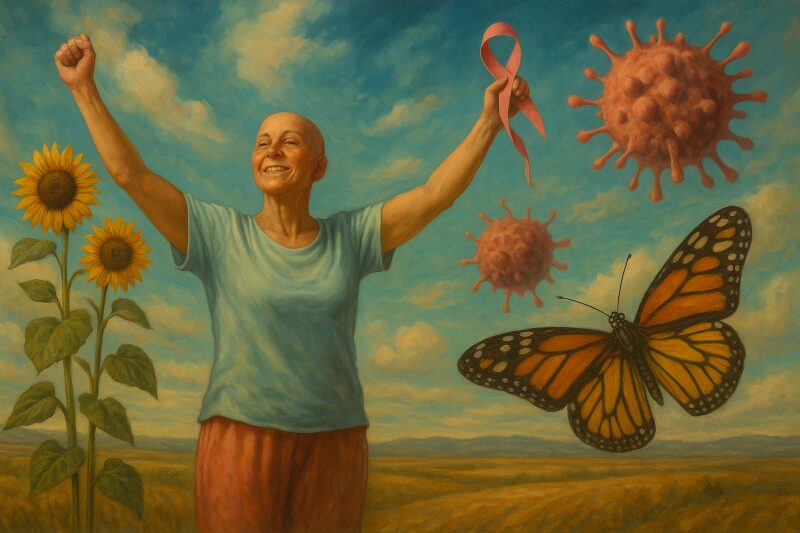
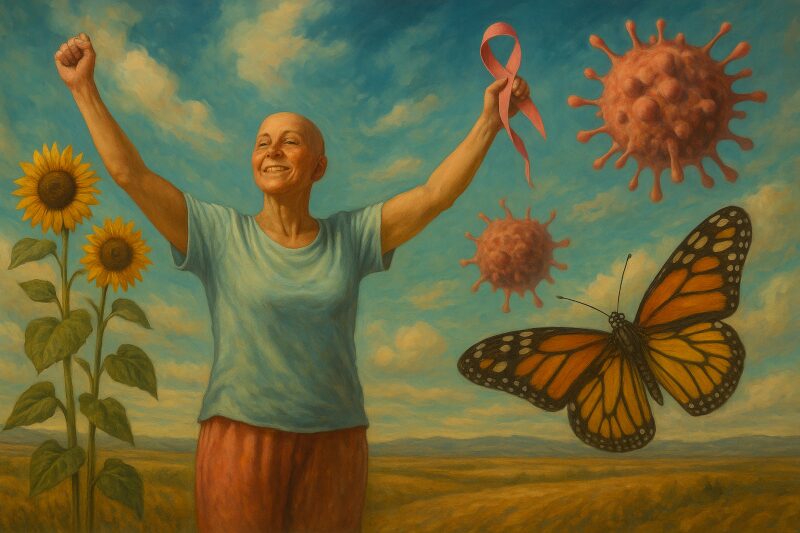
Every first Sunday of June, World Cancer Survivors Day is commemorated, a date dedicated to honoring the lives of those who have overcome this disease, recognizing their challenges, making their stories of resilience visible, and promoting comprehensive long-term support for those living with the physical, emotional, and social sequelae of cancer.
The commemoration was first established in 1987 in the United States, thanks to the initiative of the National Coalition for Cancer Survivorship https://canceradvocacy.org/(NCCS) and oncologist Richard Bloch, co-founder of the H&R Block store chain and a lung cancer survivor. Since then, the day has taken on an international character, becoming an opportunity to highlight medical advances, the need for continuous care, and the importance of psychosocial support for millions of people around the world.
Cancer: A Global Disease
Cancer is one of the leading causes of death globally. According to the World Health Organization (WHO), in 2022, more than 20 million new cancer cases were diagnosed worldwide, and around 9.7 million people died from this cause. It is estimated that 1 in 5 people will develop cancer in their lifetime.
The most common types of cancer globally are:
- Breast cancer: the most diagnosed in women (2.3 million new cases per year).
- Lung cancer: the deadliest (1.8 million annual deaths).
- Colorectal cancer: nearly 1.9 million new cases per year.
- Prostate cancer: the most frequent in men in many countries.
- Liver and stomach cancer, with high mortality rates in specific regions.
Despite its impact, survival rates have improved significantly in recent decades thanks to advances in early diagnosis, treatments such as chemotherapy, radiotherapy, immunotherapy and surgery, as well as prevention and detection campaigns.
What does it mean to be a cancer survivor?
A cancer survivor is anyone who has been diagnosed with this disease, from the moment of diagnosis for the rest of their life. This definition includes those who are in active treatment, those who have completed their treatment and are in remission, and those who are living with a chronic cancer.
Being a survivor goes beyond "having beaten cancer." It implies adapting to a new physical and emotional reality, facing fears of recurrence, dealing with treatment sequelae (such as fatigue, cognitive problems, infertility, or chronic pain), and rebuilding personal, work, and social aspects that were altered by the disease.Therefore, World Cancer Survivors Day not only celebrates life, but also advocates for health policies that guarantee post-treatment care, rehabilitation, social reintegration, and emotional support for survivors and their families.
Cancer Survival in Numbers
According to the International Agency for Research on Cancer (IARC) and the Global Cancer Observatory (GLOBOCAN):- It is currently estimated that more than 50 million people worldwide are cancer survivors.
- In high-income countries, the 5-year survival rate for many types of cancer has exceeded 60%.
- For example, in breast cancer, the 5-year survival rate is 90% in the United States and 80% in Western Europe.
- In contrast, in regions with low resources, the rates are much lower due to late diagnosis and lack of access to adequate treatments.
Cancer Situation in the Dominican Republic
In the Dominican Republic, cancer also represents a public health problem of great magnitude. According to statistics from GLOBOCAN 2020, the following were recorded:
- 18,078 new cancer cases in the country.
- 10,300 deaths from this disease.
The most common cancers in the country are:
- Breast cancer
- Prostate cancer
- Cervical cancer
- Colorectal cancer
- Lung cancer
One of the main challenges in the country is the unequal access to oncological health services, especially for vulnerable populations or those in rural areas. In addition, early detection still faces cultural, economic, and logistical barriers, which leads many patients to receive a diagnosis at advanced stages.
Institutions that support patients and survivors
In the Dominican Republic, there are several organizations and centers dedicated to the fight against cancer and the support of survivors, including:
- Rosa Emilia Sánchez Pérez de Tavares National Cancer Institute (INCART): the country's main public oncology center, offering diagnostic services, treatments, oncological surgery, radiotherapy, and more.
- Dominican League Against Cancer: one of the oldest institutions, with decades supporting prevention, education, and patient care.
- Mujeres Solidarias Foundation: works especially with women with breast cancer and their families.
- Grupo Oncológico del Cibao y del Sur: provide specialized medical care and community education.
- Voluntariado Jesús con los Niños: supports children with cancer and other serious illnesses in Santiago.
A Life After Cancer
World Cancer Survivors Day is a celebration of life, hope, and human strength. But it is also a call to action for society, health systems, and governments to recognize and address the long-term needs of those who have overcome or are living with cancer.
Each survival story is a testament to the value of early diagnosis, access to timely treatments, the power of family and community support, and the right to a dignified and full life after the illness. Because after cancer, there is much to live for, to rebuild, and to be grateful for.