
 Spanish

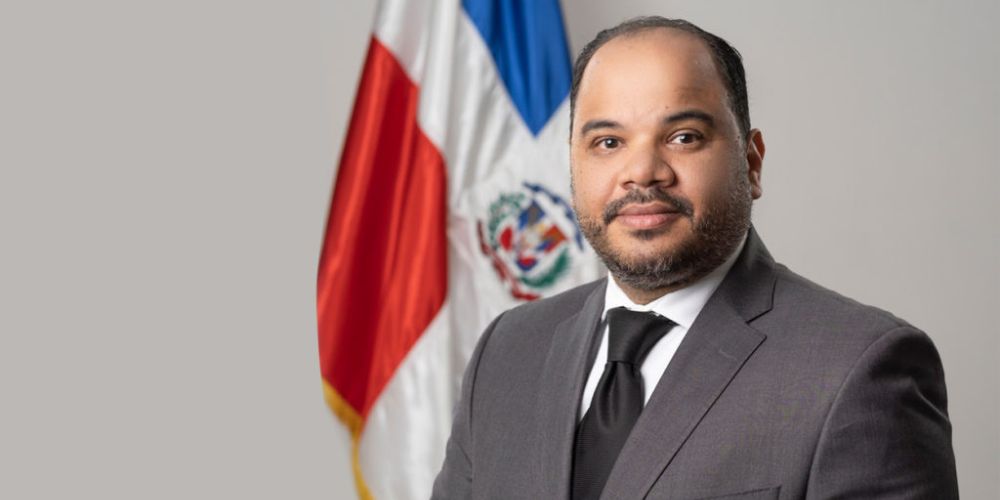

Santo Domingo.– The Ombudsman, Pablo Ulloa, expressed this Tuesday his concerns about the new Organic Law project on freedom of expression presented by the Executive Branch on May 2nd, considering that, although it has advances, it also includes provisions that could represent risks for democracy and freedom of the press in the Dominican Republic.
Through a post on his X account (formerly Twitter), Ulloa valued some positive aspects of the preliminary draft, such as the prohibition of prior censorship, the recognition of internet access as a right, the protection of journalistic practice, and the inclusion of a perspective focused on childhood. However, he warned that “there are aspects that must be corrected to protect freedom, not restrict it.”
Read more: Ombudsman will take "Route of Rights" to all provinces of the country
One of the most questioned points is the creation of the National Institute of Communication (INACOM), a regulatory body that would be attached to the Ministry of Culture. Ulloa raised doubts about its independence: “Can a body with so much power function without real political control? Regulation without independence is not a guarantee, it is a risk.”
He also criticized Article 65 of the bill, which allows the suspension of broadcasts for up to 90 days and the application of fines of up to 200 minimum wages for “serious infractions,” without clearly defining what constitutes such an infraction. “Ambiguity plus discretion equals an open door to censorship,” he warned.
Another controversial element is the requirement that digital platforms with more than 10% Dominican users have legal representation in the country. Although it recognizes the intention to promote responsibility, Ulloa warned about a possible regulatory overreach that could pressure critical voices in the digital sphere.
Likewise, he regretted that the project does not establish clear rules for the use of state advertising, which in his opinion could lead to indirect censorship by turning public resources into rewards or punishments for media outlets.
The ombudsman also denounced the lack of broad consultation with journalists, media outlets, and unions, which, he said, weakens the democratic legitimacy of the legislative process. “Participation is part of the right. Without public debate, there is no democratic legitimacy,” he stated.
Finally, he called for any legal reform on freedom of expression to respect Article 49 of the Constitution and the rulings of the Constitutional Court. "A strong democracy does not fear criticism: it listens," he concluded.






