
 Spanish

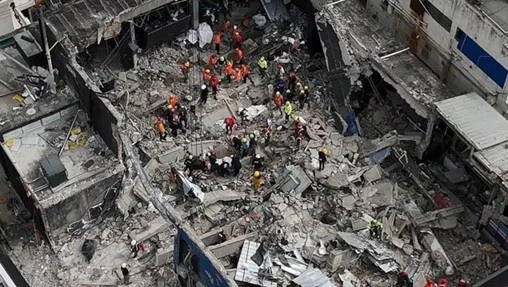

Santo Domingo – This Wednesday, May 8th, marks one month since the most shocking tragedy in the recent history of the Dominican Republic, the collapse of the emblematic nightclub Jet Set, which left a toll of 233 people dead and more than 180 injured. An event that still shakes the collective memory of the country.
What was supposed to be a night of music and celebration turned into a scene of horror that touched the sensitivity of the entire nation, transcending borders and generating a wave of international shock.
Read more: Jet Set Tragedy: Parlacen welcomes solidarity pronouncement at the request of congresswoman Esmeralda Mancebo
In the vicinity of the former nightclub, now converted into a kind of “ground zero,” withered flowers, lit candles, banners, and photographs of the victims still remain. Although visits have decreased, the walls that are still standing preserve the traces of the disaster: behind them, silence replaces the hustle and bustle of decades, while the city tries to heal.
A Night Among Lights and Song
Exactly at 12:44 AM on Tuesday, April 8th, the renowned merengue singer Rubby Pérez, "The Highest Voice of Merengue", was performing one of his most popular songs, marking his return to the Jet Set stage after several months of absence. It was at that moment that the roof collapsed. The artist, like dozens of attendees, lost their lives in a matter of seconds.
One of the survivors, Patricia Ovalles, captured part of the evening with her cell phone. She had arrived from New York just a day before to celebrate the birthday of her friend Milagros Guillén. In the video, broadcast by the program El Informe con Alicia Ortega, moments of joy with her group "Los Haineros Dorados" are appreciated, as well as the first signs of the disaster: leaks in the roof, soaked tarpaulins, and then, the collapse.
Justice on the move
In this past month, the National District Attorney's Office has received a total of 38 complaints and denunciations, filed by both relatives of the deceased and survivors. The legal actions primarily target the owners of the establishment, against whom imprisonment and compensation for damages are demanded.
However, several of the complaints also include the State and the City Council of the National District, accusing them of negligence for not adequately supervising the conditions of the structure, which showed signs of deterioration and leaks for years.
As the judicial process advances and official responses are awaited, this event left a reminder of the ignored warnings and the fragility of life amidst the hustle and bustle.





