 Spanish

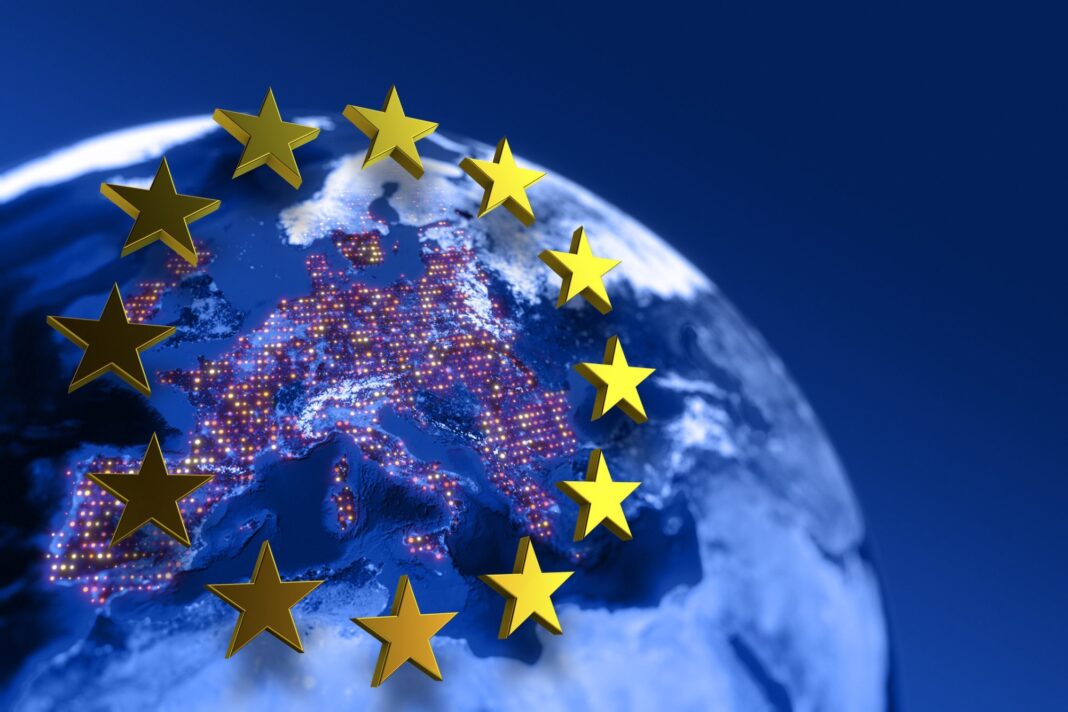
The Council of the European Union (EU), which brings together the member states, agreed this Monday to reintroduce a series of sanctions against Iran for the country's nuclear proliferation activities, restrictive measures that had been suspended since the entry into force of the agreement reached in 2015, which limited the Persian nuclear program.
The community institution stated in a statement that the decision was made after the reactivation of UN sanctions, after the UN Security Council rejected a resolution presented by Russia and China to grant Tehran a six-month extension.
The sanctions (known as 'snapback') have been promoted by three European countries (France, Germany, and the United Kingdom, or E3 group) that consider that Tehran has not complied with the commitments to limit its nuclear program acquired in the agreement reached in 2015, which limited the Iranian program and which was abandoned by the United States in 2018, while Iran has repeated that the E3 has not fulfilled its part of the deal.
The restrictive measures reintroduced today include those adopted in the UN Security Council since 2006 with successive resolutions from that body and automatically transposed into EU law, but also autonomous measures of the community club.
They include travel bans to the territory of the Twenty-Seven for individuals, asset freezes for people and entities, and the prohibition of making funds or economic resources available to those sanctioned.
There are also economic and financial sanctions covering trade, as well as the financial and transport sectors.
In addition to the prohibition on the export of arms to Iran and the prohibition on transferring any article, material, goods or technology that could contribute to enrichment and reprocessing activities and Iran's ballistic missile programs, the measures restrict the acquisition and transport of imports of crude oil, natural gas, petrochemical and petroleum products and related services.
In addition, the sale or supply of key equipment used in the energy sector, the sale or supply of gold, other precious metals and diamonds, certain naval equipment and certain software is prohibited, according to the Council.
Regarding the financial sector, the EU reintroduces the asset freeze of the Central Bank of Iran and major Persian commercial banks.
As regards transport, the Twenty-Seven are reimposing measures to prevent access to European Union airports for Iranian cargo flights and to prohibit the maintenance and servicing of Iranian cargo aircraft or vessels transporting prohibited materials or goods.
The United Kingdom, Germany, and France initiated the mechanism to reimpose sanctions, considering that Iran is not complying with the commitments made in the 2015 nuclear agreement, which limited the Iranian nuclear program in exchange for the lifting of the sanctions now reimposed.
But the United States abandoned that pact in 2018 and the Islamic Republic responded with the gradual acceleration of its nuclear program until reaching the 440 kilos of uranium enriched to 60% that it possesses today.