
 Spanish

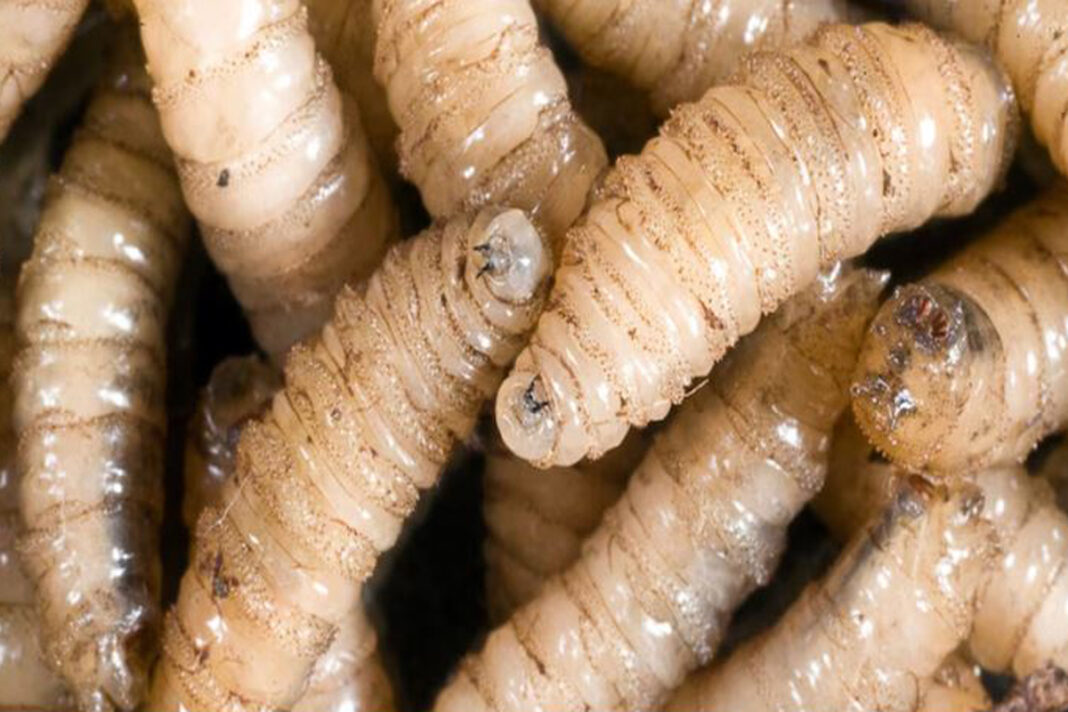

Madrid.- After several decades under control, the myiasis disease caused by the screwworm (Cochliomyia hominivorax) is "out of control" in the livestock of Central America, with hundreds of reports of transmission to humans, including people who have traveled to affected countries, such as a citizen of the United States.
EFE interviewed scientists expert in parasites and global health to learn the keys to this disease, which beyond industrial livestock farming, is "very linked to lack of hygiene and poverty", underlines Rodrigo Morchón, professor of parasitology at the Spanish University of Salamanca.
What is?
Cochliomyia hominivorax, known as the New World screwworm (due to its origin), "is a fly that parasitizes warm-blooded animals including humans. Its larvae feed on the skin and tissues of their host, causing a disease known as myiasis," explains Consuelo Giménez, a researcher at the University of Alcalá de Henares (Madrid). Flies usually lay their eggs in pre-existing wounds on the bodies of animals and humans, or deposit them in the mucous membranes of bodily orifices such as the nose, mouth, or ear. "Female flies are attracted to the smell of wounds and lay an average of 343 eggs on their edges, from which the larvae emerge between 12 and 24 hours later, and immediately begin to feed on the tissue" of the 'victim', adds Giménez. Although myiasis is more common in animals, especially cows, it can also affect humans.Symptoms
Symptoms in animals often include irritable or depressed behavior, loss of appetite, head shaking, emitting a decomposition odor, or the presence of fly larvae in wounds or orifices. In humans, they include fever, pain in the affected area, suppuration, and the presence of visible larvae in the wound. Even if the infestation is mild, depending on which part of the body it occurs, it can lead to serious secondary conditions, such as septicemia, especially in young animals -if it concerns animals- and in children, the elderly or the sick -in the case of people-, even leading to death. Since there are no medications to treat the infection, prevention and the rapid extraction of the larvae and cleaning the wound are key.Treatment and Mortality
"In the case of livestock, in areas with a low infestation rate, the recovery and survival of the animals is usually favorable, but in situations of many cases and poor treatment, high mortality occurs, especially in newborns," says the parasitology researcher from the University of Alcalá de Henares. "Cattle withstand complications quite well and, with effective treatment, the lesions caused heal quickly; but other species such as sheep, goats and horses tend to present secondary complications," he adds. In the case of people, once the myiasis has been treated medically, it is "very rare for someone to die from it unless it occurs in a delicate place, such as near the eye or in the teeth," details Morchón. The disease is of mandatory reporting, both in people and animals, according to the standards of the World Organisation for Animal Health.Expansion
Although isolated cases have always been reported in South America, in Central America (except for islands like Cuba, Haiti, and the Dominican Republic) and the United States, this myiasis had been controlled until 2022, the year in which infections began to be reported in Panama, followed by Costa Rica, Nicaragua, Honduras, Guatemala, El Salvador, Belize, and Mexico. In Panama, where almost 50,000 cases have been recorded in livestock since 2022, authorities have reported 161 infections in humans. So far in 2025, the following cases have been reported in Central America: 166 people in Honduras, 117 in Nicaragua, 69 in Costa Rica, 41 in Mexico, 3 in El Salvador, and one in Belize. Socioeconomic losses in the affected countries are devastating; in Mexico alone, they estimate $30 million monthly just due to the decreed closure of live cattle exports to the United States.Control
Giménez emphasizes that "strict control of animal movements outside the affected areas also acts as a preventive measure", as there are no vaccines or other biological products available to stop this myiasis, except for the use of sterilized male flies. This method involves the release of a large number of sterile male flies into the environment where their mating with wild females produces infertile eggs, leading to a reduction in the population and, progressively, its eradication. Mexico, for example, has agreed with the United States to enable a new plant in Chiapas to produce up to 100 million sterile flies per week in order to fight this plague. Beyond America, the screwworm's incursion has only been known in Libya. Since the species prefers more tropical climates, there is little exchange of livestock between Central America and Europe, and measures in the latter continent are very strict, experts doubt that the plague can arrive.In Europe, miosis occurs due to other types of worms, although they are currently quite "controlled".
Morchón emphasizes that in people "this disease thrives as much due to lack of hygiene and sanitation as to lack of healthcare resources, factors linked to poverty and inequality" to which attention must be paid, taking into account the scientific consensus around the fact that environmental, animal and human health go hand in hand.




