 Spanish



Every August 22nd, the Folklore Day is celebrated, a date dedicated to recognizing and preserving the traditions, customs, music, dances, and stories that constitute the cultural heritage of the peoples. This day seeks to promote the appreciation of the cultural richness that has been transmitted from generation to generation and promote its dissemination in an increasingly globalized world.
Folklore is much more than songs and dances; it is a mirror of the identity of communities. Its expressions reflect the history, beliefs, and collective experiences, and allow societies to keep a link with their roots alive. From folk tales to local festivals, folklore helps strengthen social cohesion and transmit cultural values.Folklore in the Dominican Republic
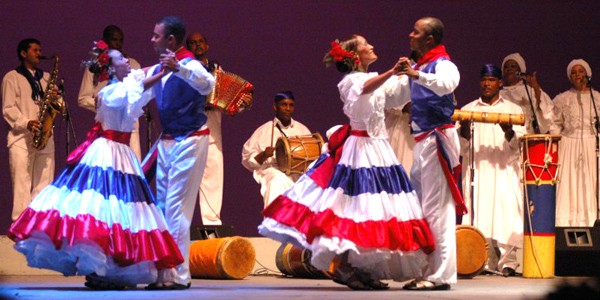
The Dominican Republic has a rich and varied folklore, the result of the fusion of indigenous, African, and European traditions. Its popular culture is reflected in music, dances, stories, crafts, and festivities that are preserved from generation to generation. Among the most representative elements of Dominican folklore are the merengue and palos music, popular stories, carnivals, and religious festivities, where ritual mixes with fun and artistic expression. The Dominican carnival, celebrated in February, is one of the most striking examples of the country's folkloric richness.Types of Folk Dances in the Dominican Republic
Dance is one of the most visible manifestations of folklore, and in the Dominican Republic there are diverse styles that reflect the history and identity of the country:- Typical Merengue: Considered a national symbol, it is characterized by the use of instruments such as the accordion, the tambora, and the güira, and its movements reflect the joy and energy of the Dominican people.
- Palos: Dance and music of Afro-Dominican origin, linked to religious ceremonies and patron saint festivities. Palos combine percussion and singing in a dialogue between musicians and dancers.
- Folk Bachata: Before becoming urban music, traditional bachata was danced in rural communities, with movements that told stories of love, heartbreak, and daily life.
- Atabales and carnival dances: They present choreographies full of color, masks, and symbolic characters that represent the popular worldview and artistic creativity of each region.
What is Folklore?
Folklore, folclore, or folklore is defined as a cultural expression that encompasses the traditions, beliefs, expressions, legends, and popular customs that are common to a culture, subculture, or social group. It comes from the English "folk" which means people and "lore" which means heritage, knowledge or understanding.Folklore Expressions
The main expressions of folklore are as follows:- Material: referring to the physical objects that identify a culture, such as handicrafts, works of art, architecture.
- Verbal: related to sayings, expressions, fables, narrated stories and songs transmitted generationally.
- Customs: stipulated by habits of dress, culinary, leisure activities and popular art.