
 Spanish

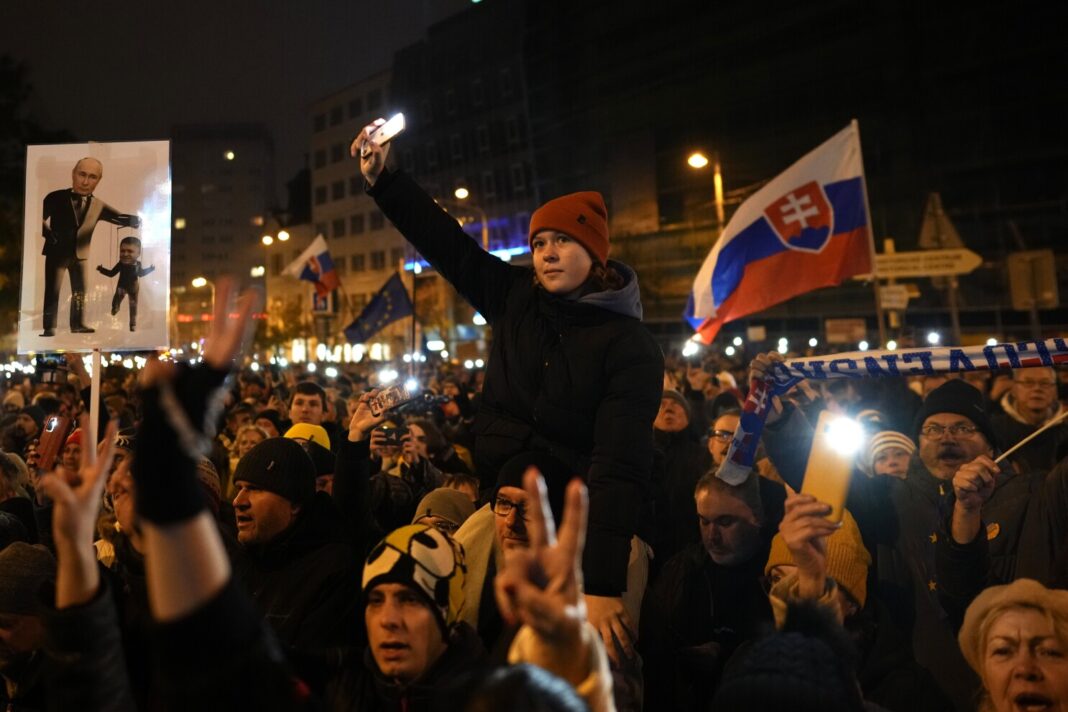

Slovakia, with one of the largest fiscal deficits in the European Union (5.9% in 2024), is debating in its Parliament a harsh austerity plan that raises taxes and cuts public spending, which has sparked citizen protests and criticism from unions and the opposition, who will mobilize again this Tuesday in Bratislava and 16 other cities.
The opposition, led by Michal Simecka's Progressive Slovakia (PS) party, is leading the mobilizations against the package, which has also been criticized by trade unions, employers' associations, and representatives of local governments, and has called several demonstrations under the slogan "against the impoverishment of the people".
In addition to today's protest, the PS is sounding out the opposition parties for a general strike on November 17.
Among the most criticized measures in that package from the Executive of left-wing populists and ultranationalists, headed by Robert Fico, are the increases in the taxation of natural persons, currently with two types, 19 and 25%, which would go to 30 and 35%, respectively, and the increase by one percentage point in the contributions to health insurance.
The plan includes 22 measures, totaling 2.7 billion euros, of which almost half represent savings in public spending, including the elimination of 5,000 positions in the state administration, to reach a fiscal deficit of 4.5-4.7% of GDP in 2026, and then 3% in 2027.
Bratislava wants to reduce the weight of subsidies to households due to the rise in energy prices, which would be partially financed by Brussels, one of the agreements reached by the Executive of Ursula von der Leyen with Slovakia so that the Central European country would unblock the 18th package of sanctions against Russia for the war in Ukraine.
They also want to cancel the public holiday of November 17, Freedom and Democracy Day in commemoration of the fall of Communism in 1989, while they want to temporarily suppress the holidays of Epiphany (January 6) and Victory over Fascism (May 8).
Fico's government already approved a first wave of measures last autumn, with which the basic VAT rate was raised from 20 to 23%, while the reduced rate, applicable to medicines, textbooks, housing rentals and tourist accommodations, fell from 10 to 5%, and a new reduced VAT rate of 19% was created for food.
The corporate tax for profits exceeding 5 million euros increased from 21% to 22%, and a new 0.4% tax on financial transactions for companies and self-employed individuals was also approved, as well as special taxes on sugary drinks and tobacco.
The country thus wants to curb the growth of public debt, currently over 60% of GDP.





