
 Spanish

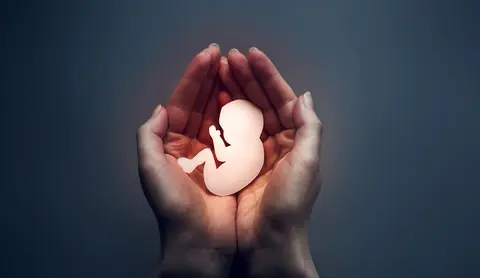
Santo Domingo.– The newly enacted Penal Code of the Dominican Republic maintains the criminalization of abortion in almost all scenarios, except for only one of the three cases historically proposed by different social and human rights sectors.
The new regulations, in their Article 111, establish a criminal exemption that allows the interruption of pregnancy only when the life of the mother, the fetus, or both is in danger. This measure only applies if the procedure is performed by specialized health personnel and if all scientific and technical means available at the time of the event have been exhausted.You may be interested in: Finjus warns Penal Code contains unconstitutional articles
The other two causes, widely debated during the last few years, that were not accepted were abortion in cases of rape or incest, and abortion due to congenital malformations of the fetus incompatible with life outside the womb. Articles 106 to 110 of the new law reaffirm the penalization of consensual abortion, abortion induced by third parties, and abortion performed by health professionals, with penalties ranging from one to three years of minor imprisonment, in addition to fines of up to fifteen minimum wages in the public sector. The penalties increase if the procedure causes the death of the woman, or if it is a forced abortion. Various feminist and human rights organizations have expressed their rejection of the Code, considering it a setback in reproductive rights and a denial of the historical demands of sectors that defend the inclusion of the so-called "three causes". With this legislation, the Dominican Republic remains among the Latin American countries with one of the most restrictive laws regarding abortion.




