
 Spanish

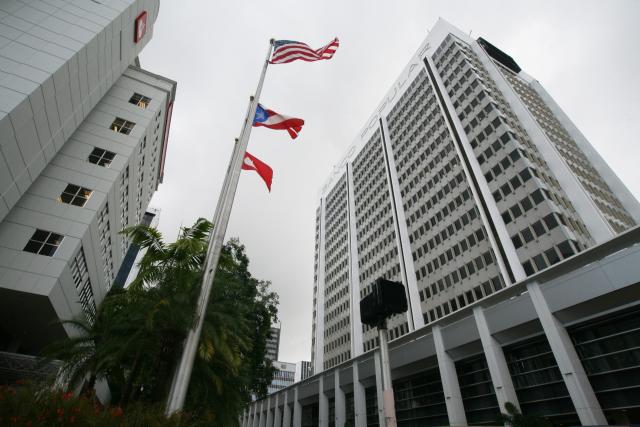

Miami (USA).- The chairman of the board of directors of Nodus International Bank (Nodus), Juan Francisco Ramírez, pleaded guilty this Monday for his role in a scheme that allowed fraudulently obtaining more than 13.6 million dollars from the bank, based in Puerto Rico, which ultimately led to its bankruptcy in 2023, the United States Attorney's Office reported.
According to court documents, Ramirez, 60, along with an accomplice conspired to divert funds from Nodus.
You may be interested in: Evergrande denies that its request to a US court implies bankruptcy
Both hid from other board members, bank executives, and the regulator - the Office of the Commissioner of Financial Institutions of Puerto Rico (OCIF) - that certain investments or loans exclusively benefited them, violating Puerto Rican law and Nodus' internal policies on insider trading. Between 2017 and 2023, Ramirez and his accomplices invested more than 11 million dollars of Nodus funds in a Miami-based lender, so that those funds could be lent to Ramirez and his accomplice for their own benefit. In addition, between January 2018 and September 2021, they fraudulently induced the board and the bank's comptroller to approve the purchase of at least 47 promissory notes totaling approximately $25.3 million, whose funds, supposedly intended for legitimate loans, were used for personal investments, mortgages, and credit card expenses of the accused. In March 2023, OCIF notified Nodus of its intention to place the bank in liquidation, and subsequently the entity agreed to initiate a voluntary liquidation process. Without authorization from OCIF, both made Nodus acquire a loan portfolio for approximately 26 million dollars, most of which were uncollectible, which directly benefited the Miami financial company and the defendants by releasing their debt with the bank. As part of his plea agreement, Ramírez agreed to the forfeiture of at least $13.6 million, an amount equivalent to the profits obtained through the conspiracy. Ramírez pleaded guilty to conspiracy to commit wire fraud and could face up to 20 years in prison. The sentence will be determined by a federal judge. "The defendant abused his position as chairman of the board of directors to fraudulently divert funds from the bank that had been entrusted to his management, which resulted in the collapse of the bank," said Matthew R. Galeotti, Acting Assistant Attorney General of the Criminal Division of the Department of Justice.