
 Spanish

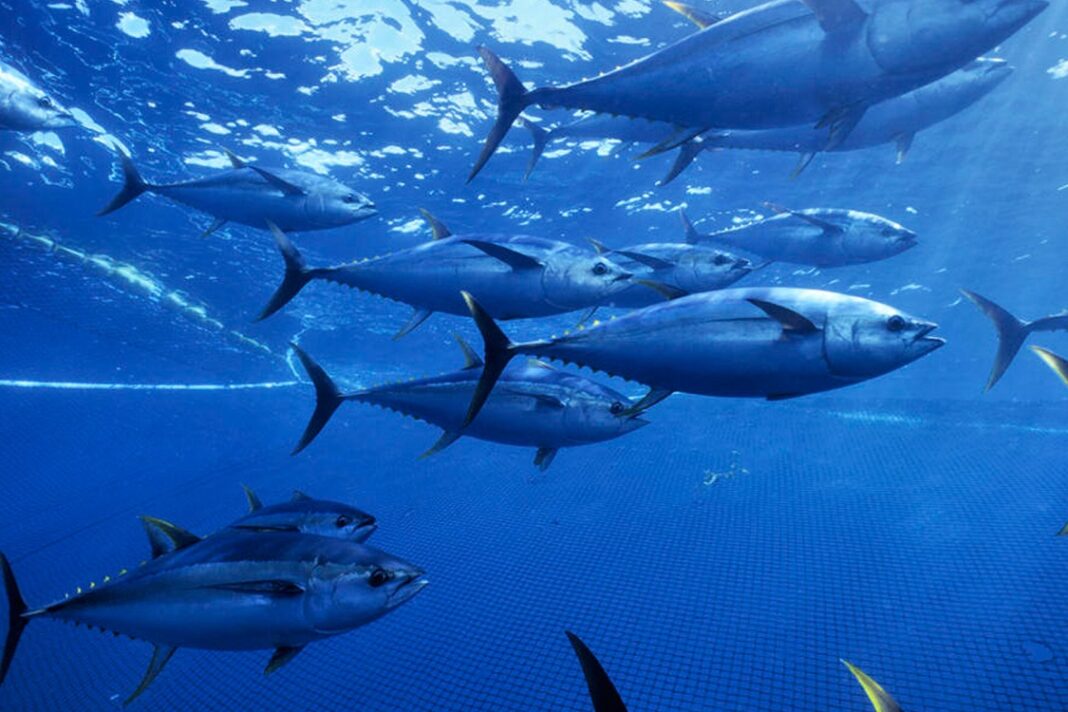
Panama City.- The Inter-American Tropical Tuna Commission (IATTC) approved at its 103rd meeting, held in Panama City, a 64-day ban on tropical tunas, a reduction from the 72 currently in force, the organization reported this Sunday.
During the meeting, which took place since last Monday, "the measure for the conservation of tropical tunas was adopted, in which a 64-day ban was approved, in line with the recommendations of the Scientific Advisory Committee of the Commission", said an official statement.
The director of the IATTC, Arnulfo Franco, told EFE last Wednesday that the member countries of the regional body had proposed a reduction of the ban, until now of 72 days, given the good health of the tuna population in the Eastern Pacific.
"The scientific team has recommended a maximum of 10 days of fishing ban reduction", and it is expected that in this 103rd meeting of the IATTC "a decision will be reached in this regard", the director of the regional organization had pointed out.
The IATTC is the regional fisheries management organization responsible for the conservation and management of tunas, tuna-like species, associated species, and their ecosystems throughout the eastern Pacific Ocean, from Canada in the north to Chile in the south.
Its members are Belize, Canada, China, Colombia, Costa Rica, Ecuador, the European Union, France, Guatemala, Japan, Kiribati, Korea, Mexico, Nicaragua, Panama, Peru, El Salvador, Taipei, United States, Venezuela, and Vanuatu.
At the close of the CIAT meeting, "specific provisions for the management of swordfish, dorado, and sharks were also adopted," the official information indicated without further details.
"In addition, actions were taken on the collection of planted trees and a Memorandum of Understanding was signed with the industry to create a fund to support their recovery", according to official information.
You can read:At least eight injured as vehicle falls from a bridge in the historic center of Lima
Plantados are floating objects, both natural and artificial, that are placed in the sea with the aim of attracting and concentrating pelagic fish, mainly tuna, to facilitate their capture on a large scale. Their use generates controversy due to the possibility of incidental catches, ghost fishing, and marine pollution. The adoption of these measures during the 103rd meeting of the IATTC "strengthens the capacity" of the organization "to ensure that fishing in the Eastern Pacific is based on the best available science, with decisions that balance the sustainability of resources and the needs of fishing communities," Franco said at the closing of the event, according to the official statement. Among other decisions, the 103rd annual meeting of CIAT re-elected Franco as director of the organization, and approved the budget for the Marking Program, "which is essential to assess the skipjack tuna (SKJ) population and improve future assessments of yellowfin (YFT) and bigeye tuna (BET)". The budget for the Integrated Monitoring Program was also approved, "necessary to reinforce decision-making based on the best available science."




