
 Spanish

Washington.- The White House assured this Wednesday that it maintains "maximum influence" over the interim government of Delcy Rodríguez in Venezuela and affirmed that the U.S. has already begun to market crude oil from the Caribbean country seized by Washington as part of an apparent agreement reached with Caracas.
"Obviously, at this moment we have the maximum influence over the interim authorities in Venezuela," explained White House spokeswoman Karoline Leavitt at a press conference, who assured that US President Donald Trump has made it "very clear" that Venezuela is a country that "will no longer send illegal drugs to the US."
«(Venezuela) will no longer send or traffic people or criminal cartels to assassinate U.S. citizens, as they have done in the past, and the president is fully implementing his foreign policy of peace through strength», added Leavitt.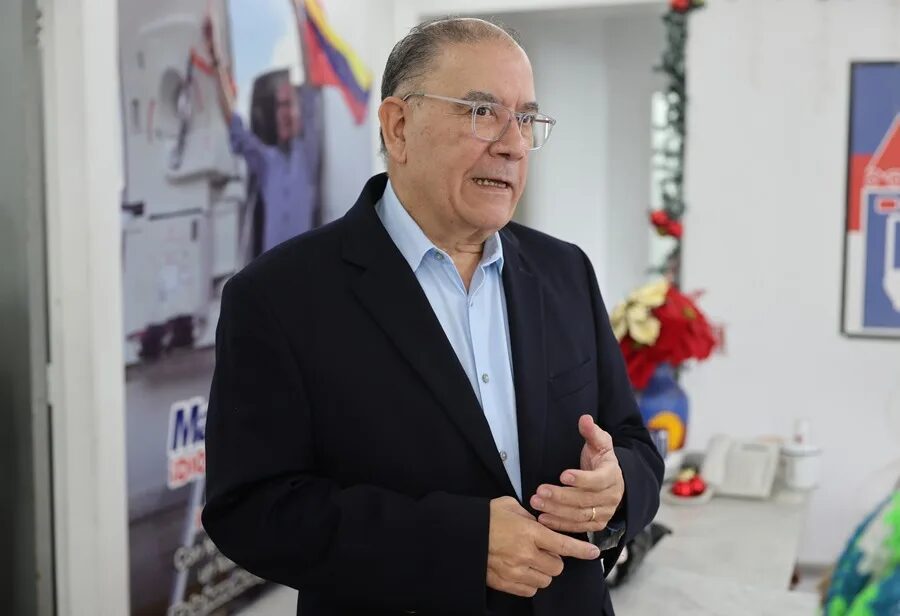
You can also read: Controversy over Delcy Rodríguez's dress at inauguration: Price equals 147 years of minimum wage in Venezuela
"There's nothing more 'U.S. first' (the main Republican motto among its base) than this operation," Leavitt assured. He also explained that the United States Government has already begun to market Venezuelan crude oil in the global market for the benefit of the United States, and has hired the world's leading commodity traders and key banks to execute and provide financial support for these sales of crude oil and derivative products.Opposition party questions Trump's authority over elections
In parallel, from Caracas, the vice president of the Venezuelan opposition party Un Nuevo Tiempo (UNT), Luis Emilio Rondón, said that Trump has no authority to decide on the holding of elections in the South American country, after the president ruled out the call for elections in the next 30 days.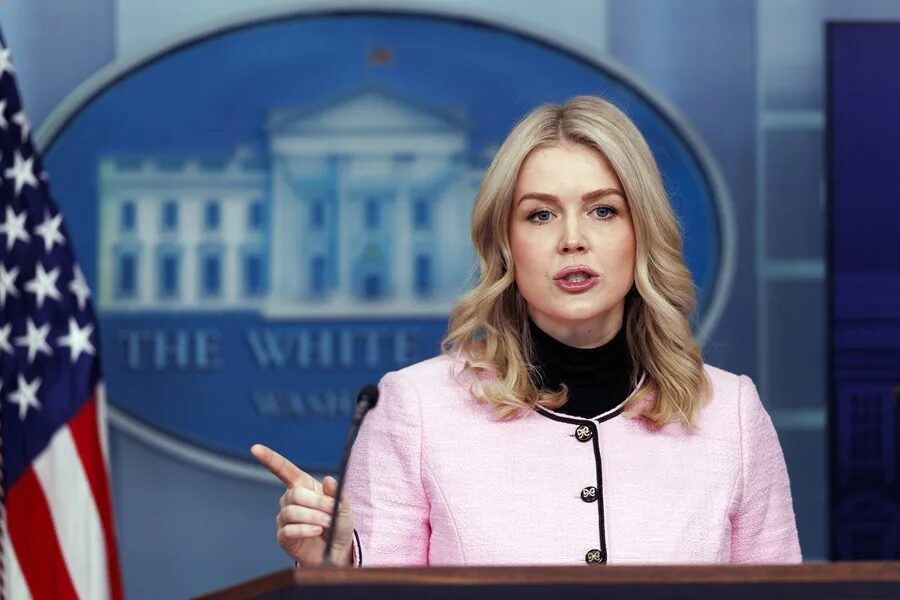
You may be interested in: Venezuelan journalists demand freedom for prisoners and the press for real democracy
In his opinion, the capture of Maduro by the United States, following a military attack on Caracas and other areas of the country, implies that an election can be concluded "within a peremptory timeframe," although he ruled out speaking of concrete times. Rondón maintained that the reinstitutionalization of the country must include the participation of citizens because the Constitution establishes, he added, that "sovereignty resides in the people, who exercise it indirectly through suffrage".



