Spanish

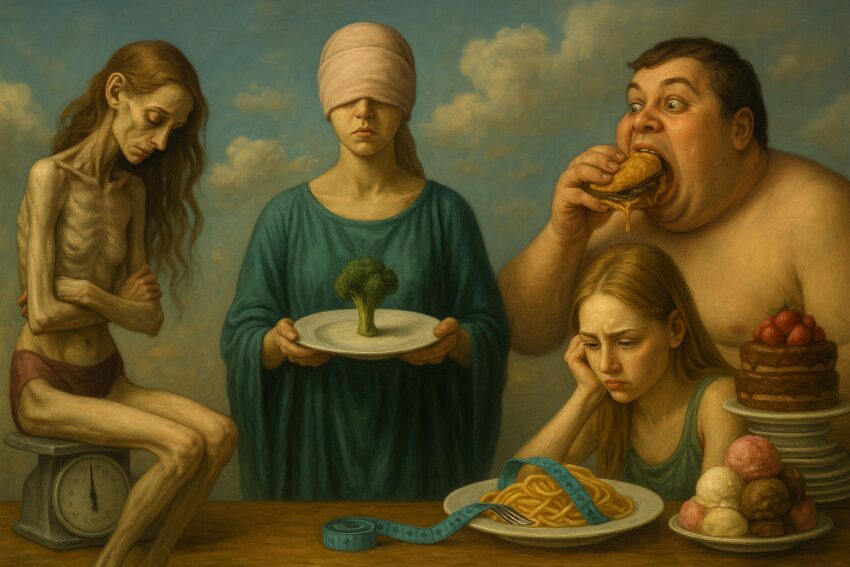

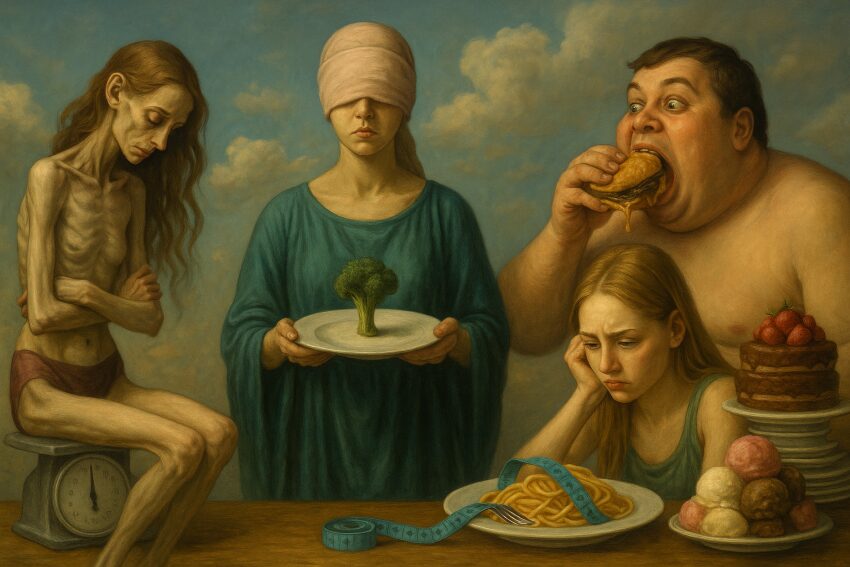
Every June 2nd, the International Day of Action for Eating Disorders (EDs) is commemorated, a date created with the purpose of making visible these mental illnesses that affect millions of people worldwide, breaking the stigma that surrounds them and demanding better medical care, research, and prevention.
Driven by patient organizations, healthcare professionals, families, and activists, this day seeks to remember those who are fighting, have survived, or have passed away from an eating disorder, as well as to generate a global conversation about social pressure, mental health, and body stereotypes that fuel this problem.
What are Eating Disorders?
Eating Disorders (EDs) are serious and complex mental disorders characterized by a dysfunctional relationship with food, weight, and body image. It is not about "vanity problems" or a simple lack of willpower, but rather multifactorial diseases that affect both the body and the mind, and that can have devastating physical and psychological consequences.
The most common eating disorders include:
- Anorexia nervosa: characterized by extreme food restriction, intense fear of gaining weight, and a distorted body image. It can lead to severe malnutrition and even death.
- Bulimia nervosa: episodes of binge eating followed by compensatory behaviors such as vomiting, excessive use of laxatives, or extreme exercise. People often maintain an average weight, which makes it difficult to detect.
- Binge eating disorder: compulsive consumption of large amounts of food, without compensatory behaviors, which can lead to obesity, guilt, and emotional distress.
- Orthorexia (not officially recognized in all manuals): pathological obsession with eating healthy.
- Vigorexia: obsession with exercise and muscle development.
- Unspecified eating disorders (UED): when the symptoms do not fully fit into a diagnostic category, but still compromise health.
Alarming Figures
According to the World Health Organization (WHO) and studies published in scientific journals such as The Lancet and JAMA Psychiatry, eating disorders present worrying figures:
- It is estimated that more than 70 million people worldwide suffer from some type of eating disorder.
- They are more common in adolescents and young women, but also affect men, older adults, and children.
- Anorexia nervosa has the highest mortality rate of all psychiatric disorders, with an estimated 10% of cases.
- In Latin America, the increase in EDs has been constant in recent decades, driven by beauty standards, social media, and lack of emotional education.
- In developed countries, between 1% and 4% of young women suffer from anorexia or bulimia, and up to 5% have binge eating disorder.
EDs are also closely linked to other mental disorders such as depression, anxiety, obsessive-compulsive disorder, and substance abuse, which worsens the prognosis if not addressed comprehensively.
Importance of this commemoration
The International Day for Eating Disorders is key for several reasons:
- Break the silence: Many people live their illness in secret due to shame, misinformation, or fear of judgment. Making eating disorders visible allows for the opening of spaces for empathetic conversation free of stigmas.
- Promote prevention: Education in self-esteem, nutrition, emotional health, and critical thinking in the face of media messages is essential to prevent these disorders from childhood.
- Promote public policies: Greater investment is required in mental health services, specialized eating disorder units, trained professionals, access to interdisciplinary treatments, and awareness campaigns.
- Recognize the real suffering: Validating the experience of those suffering from an eating disorder is vital for their recovery. Self-love is not built with criticism or social pressure, but with compassion, information, and support.
Treatment and Hope
Eating disorders are treatable, especially if detected early. The approach should be multidisciplinary, including:
- Psychotherapy (especially cognitive-behavioral therapy)
- Medical and nutritional care
- Psychiatric support
- Family and social support
In many cases, recovery is a long road, with relapses, frustrations, and progress. Therefore, constant support, free of judgment and focused on the person beyond the symptom, is essential.
Furthermore, more and more influencers, artists, and athletes have begun to speak openly about their experiences with EDs, which helps normalize the conversation and debunk myths that have caused so much harm.The Latin American and Dominican Context
In countries like the Dominican Republic, the topic of EDs is starting to gain visibility, although many barriers still exist. Official figures are limited, but organizations like the Centro Vida y Salud Mental, AFAM (Association of Family and Friends of People with Eating Disorders) and several psychologists and nutritionists are actively working to raise awareness.
The aesthetic pressure, school bullying, the cult of the body, and misinformation about food continue to be real problems that affect the mental health of children, adolescents, and adults. The lack of coverage in medical insurance and limited access to specialized services exacerbate the situation.International Eating Disorders Action Day is not just a symbolic date, it is an urgent call to empathy, action, and cultural transformation. Eating disorders are not whims or trends, they are serious illnesses that require attention, understanding, and resources.
Recovery is possible, but prevention is the greatest act of self-love and collective love that we can foster as a society. Because behind every number there is a life, and every life matters.