Spanish

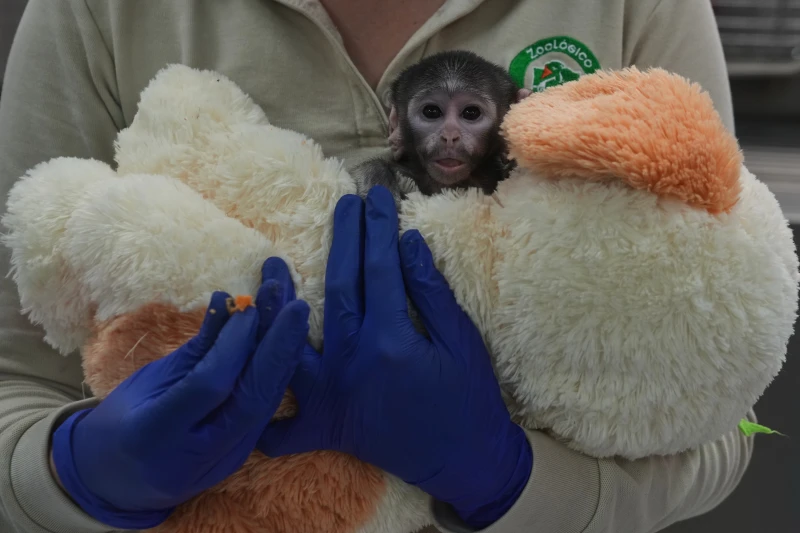
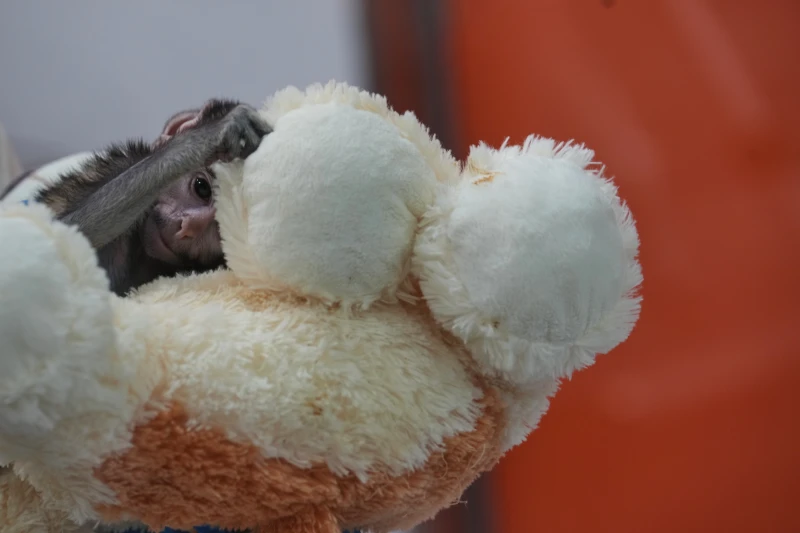
Mexico — Yuji, a six-week-old patas monkey in Mexico, wakes up every day clinging to a stuffed dog. More than a toy, this plush companion acts as a surrogate mother after the small primate was rejected by his own mother, Kamaria, a first-time mother unable to establish a maternal bond.
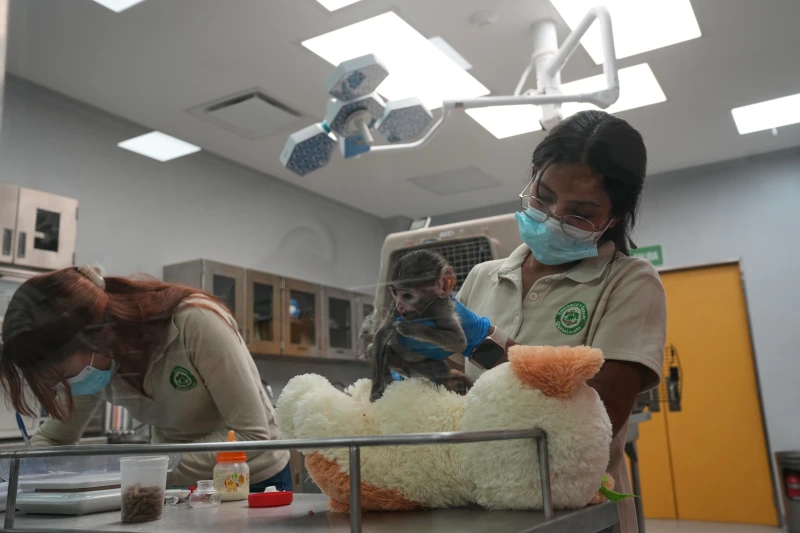
Weighing just 673 grams (1.4 pounds), Yuji represents the most recent case of assisted breeding at the Guadalajara Zoo, in western Mexico. Yuji's story has captured the attention of the Mexican public, drawing parallels with Punch, the Japanese macaque who went viral on social media after growing up clinging to a stuffed orangutan after being rejected by his mother. Unlike Punch, Yuji has not yet had physical contact with other members of his species; he spends most of his time inside a monkey cage at the Comprehensive Animal Medicine and Welfare Center (CIMBA) of the Guadalajara Zoo, where he is under the care of 12 veterinarians and biologists. A date has not yet been set for Yuji's transfer to a shared habitat with 12 other adult patas monkeys and three offspring. This will depend on when he stops feeding exclusively on milk and begins a complete adult diet that includes fruits and vegetables, explained veterinarian Iván Reynoso Ruiz, head of the primate section of the Guadalajara Zoo. This could happen when Yuji is around 6 months old, he added.We recommend reading:Boca Chica: POLITUR accused of extortion and illegal retention of a monkey
Just hours after giving birth on March 3, Kamaria began to exhibit irregular behavior. She had difficulty properly holding her firstborn, which prevented the baby from latching on to its mother properly. Related storiesAfter detecting a problem, the caregivers separated the mother from her cub, which weighed only 443 grams (less than a pound) and required immediate placement in an incubator at CIMBA to stabilize its temperature and safeguard its health, said Reynoso Ruiz.
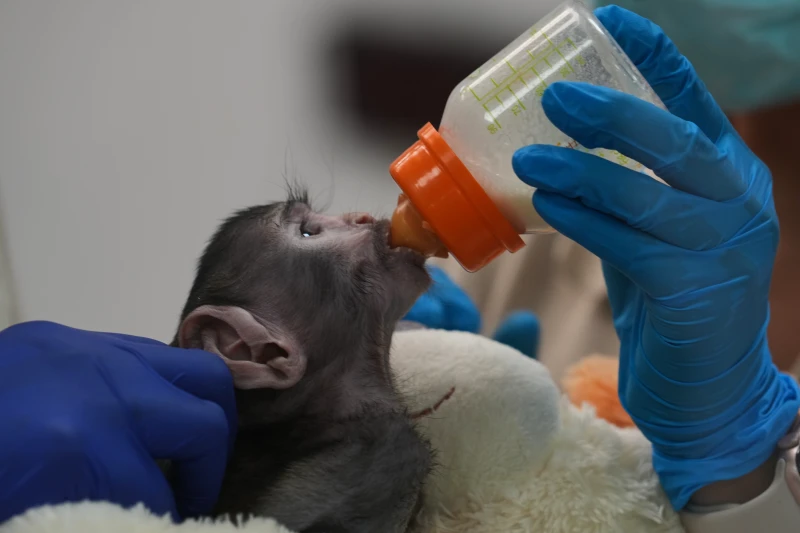
This was the beginning of the assisted rearing of the baby, a process that zoos often use to protect the health and development of at-risk offspring. A caregiver named him Yuji, in honor of a popular Japanese manga character. During his first weeks, Yuji was under 24-hour supervision and was fed fortified milk in a bottle. From the beginning, Yuji was given a stuffed animal to make him feel safe. Reynoso Ruiz explained that the toy fulfills the function of a mother, being his main source of security. To maintain hygiene, the staff alternates the original stuffed animal with two other toys —a bear and a monkey— to ensure he always has a clean companion. To stimulate his development, the caregivers equipped Yuji's cage with a small hammock and ropes. As he began to gain weight and sleep for longer intervals, his team adjusted his feeding schedule. Now Yuji receives the first of his four daily bottles at 7:00 in the morning. While the stories of Punch and Yuji have become popular on social media, some animal rights advocates oppose the practice of assisted breeding. Diana Valencia, an animal rights activist, maintains that there is no substitute for a natural habitat and that animals "have the right to be born, grow, develop, and die where they belong."You can also read:PETA denounces the abuse of monkey babies used in coconut harvesting in Thailand
In response to these criticisms, the primate expert from the Guadalajara zoo emphasized that modern zoos offer a unique opportunity to protect species from global threats. He affirmed that the intervention was a matter of life or death, and that Yuji would likely have perished in the wild without a second chance to survive.