
 Spanish

Brussels.- The European Commission presented this Wednesday a comprehensive package to simplify environmental regulations with which it intends to apply surgical adjustments aimed at reducing bureaucracy and strengthening competitiveness, without lowering ecological requirements.
"There is no contradiction between high environmental standards and competitiveness. They are two sides of the same coin," declared European Commissioner for the Environment, Jessika Rosswall, at a press conference.Read more: European leagues denounce FIFA to the European Commission for the saturation in the calendars
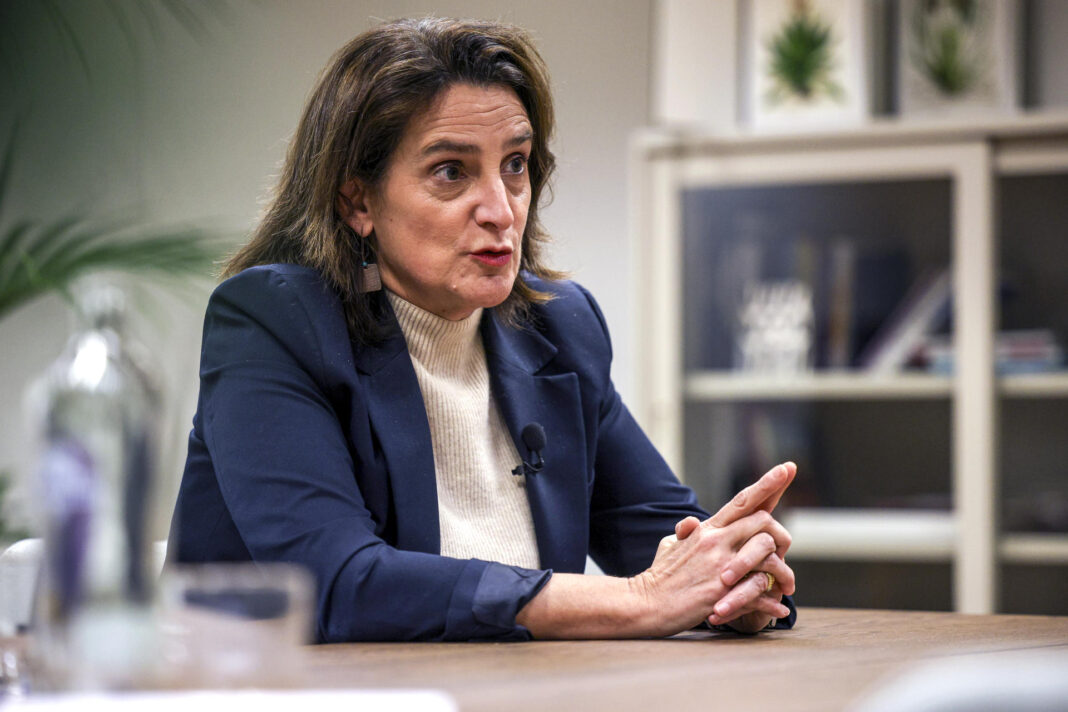
The Community Executive expects the battery of proposals to save up to 1 billion euros a year for companies and farmers across the European Union. "We were asked to simplify while maintaining our high environmental standards. And we have been working," declared the Vice-President of the European Commission in charge of the Clean, Just and Competitive Transition, the Spanish Teresa Ribera, who added that "it is a complex exercise" and acknowledged that there is a "fine line" between simplifying and lowering. "Reconciling competitiveness with high environmental protection standards, which benefit health and the planet, is a duty," he added.A first part of the synthesis exercise proposed by the Commission refers to the more agile processing of environmental assessments, which the Commission expects will save 180 million euros.
The safeguards will be maintained, a "one-stop shop" will be sought for the different permits required, and that these advance in parallel and limit the deadlines in which arguments against the plans can be presented, so as not to indefinitely prolong the disputes. This is an idea related to another legislative package to reinforce and improve the electrical grids presented this Wednesday, which also seeks to speed up permits for energy projects. The second axis of the proposal, which revises six directives and regulations, from electric batteries to water management, involves reducing bureaucracy, with actions such as harmonizing the way data is collected and processed, as well as limiting the reports on emissions that some companies must present, which will now have to report for the entire company and not for each plant they operate. Brussels also wants to avoid duplication in inspections that run in parallel and proposes to simplify the information obligations for some subsectors, such as organic egg-laying hens and organic pigs, which are exempt from certain reports. The Community Executive also wants to save companies that have to report data that can be provided directly by the Member States. The simplification work will also reduce and standardize categories in different horizontal regulations that refer to the same thing with small differentiated nuances.