
 Spanish


Every 9th of August, the world commemorates the International Day of the World's Indigenous Peoples, a date established by the UN in memory of the first meeting of the Working Group on Indigenous Populations held in Geneva in 1982. This day seeks to make their struggles visible, recognize their rights, and promote actions that guarantee the preservation of their cultures, languages, and territories.
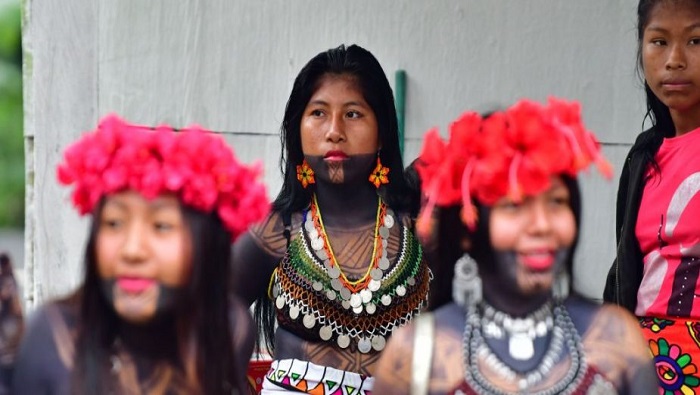
Diversity and resilience
Currently, around 476 million Indigenous people live in 90 countries, representing 6% of the world's population. However, they constitute at least 15% of the world's poorest. Their cultures, knowledge systems, and ways of life are unique, and they maintain a deep and sustainable relationship with the environment. Historically, they have fought for the recognition of their identities, the protection of their territories, and control over their natural resources. The international community today recognizes the need for special measures to ensure the preservation of their rights and cultures.Current Challenges
The figures reflect structural inequality:- 47% of Indigenous people who work have no formal education, compared to 17% of their non-Indigenous peers. The gap is even greater for women.
- More than 86% of Indigenous people work in the informal economy, compared to 66% of the non-Indigenous population.
- They are almost three times more likely to live in extreme poverty than their non-Indigenous counterparts.
Indigenous Peoples and Artificial Intelligence: Defending Their Rights in the Face of the Future
Artificial intelligence (AI) is transforming the world at an unprecedented speed. For Indigenous Peoples, this advance represents a paradox: it can be a powerful tool to revitalize cultures, empower youth, and adapt to climate change, but also a factor that intensifies exclusion, prejudice, and the misrepresentation of their realities.Opportunities and Risks

The Role of Indigenous Peoples in AI
To harness the full potential of this technology, it is essential to recognize Indigenous Peoples as rights holders, co-creators, and decision-makers. Real inclusion, sovereignty over their data, and innovation based on their cultures are essential elements for AI to serve as a tool for empowerment and not for marginalization.





