
 Spanish

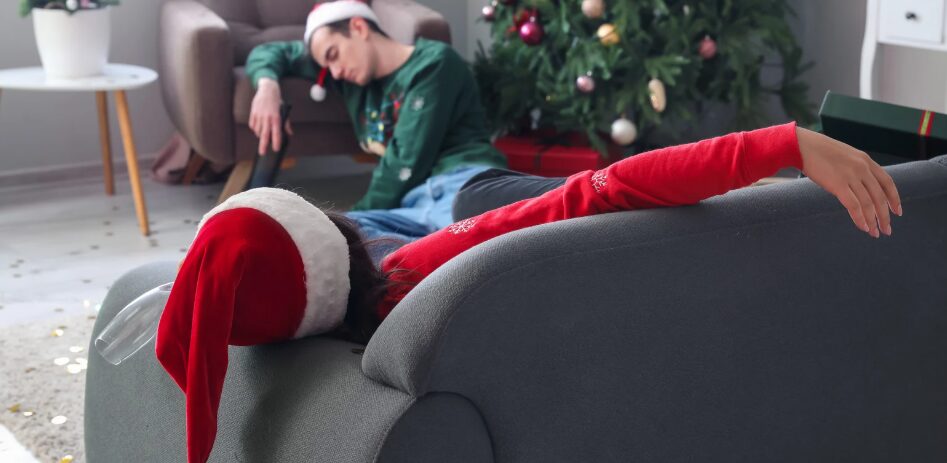

The Christmas holidays are accompanied by copious meals, irregular schedules, increased alcohol consumption, and an increase in social and family stress. This can affect our night's rest, a fundamental aspect for physical and mental health. Pulmonologists offer recommendations for better sleep at Christmas.
In the year SEPAR 2025-2026 of Sleep Respiratory Disorders (SRD), an initiative that seeks to raise awareness among the population and healthcare professionals about pathologies that are often undervalued and underdiagnosed.
Dr. Carlos Egea, a pulmonologist and coordinator of the SEPAR Year 2025/26 of Sleep Respiratory Disorders, explains that "a disturbed sleep causes generalized fatigue and irritability, as well as worsening respiratory diseases linked to sleep, such as obstructive sleep apnea (OSA).
"A lack of sleep can trigger metabolic problems, such as diabetes or obesity, not to mention that a high percentage of domestic and traffic accidents are linked to lack of sleep," he adds.
Six Recommendations for Better Sleep During the Holidays
The Spanish Society of Pneumology and Thoracic Surgery (SEPAR) offers six key recommendations for better sleep and rest during the Christmas holidays:- Manage stress. At this time of year, social, work, and family commitments can generate stress. Specialists recommend reserving a few minutes daily for relaxing activities such as reading or meditation.
- Meals in moderation. Late and abundant dinners make digestion difficult and affect sleep quality. Dr. Alejandra Roncero, a pulmonologist and director of the Sleep Research Program at SEPAR, advises waiting between two and three hours between dinner and bedtime, as well as avoiding very fatty, sugary, or spicy foods at night.
- Reduce alcohol consumption. Although alcohol can cause initial drowsiness, it alters the sleep phases and favors nighttime awakenings, snoring, and sleep apnea. Limiting its consumption and alternating with water helps protect rest.
- Short naps and without “compensations”. A short nap, of 20 to 30 minutes, can be restorative after a bad night. However, sleeping many hours the next day to “compensate” usually further disrupts the circadian rhythm.
- Rely on traditional remedies. Applying local heat, drinking relaxing infusions, or performing gentle stretches after a festive night can help relax the muscles and promote rest.
- A “reset” day. Before returning to the routine, experts recommend recovering the usual schedules, having a light dinner, and avoiding the use of screens during the last hour before bed.