
 Spanish

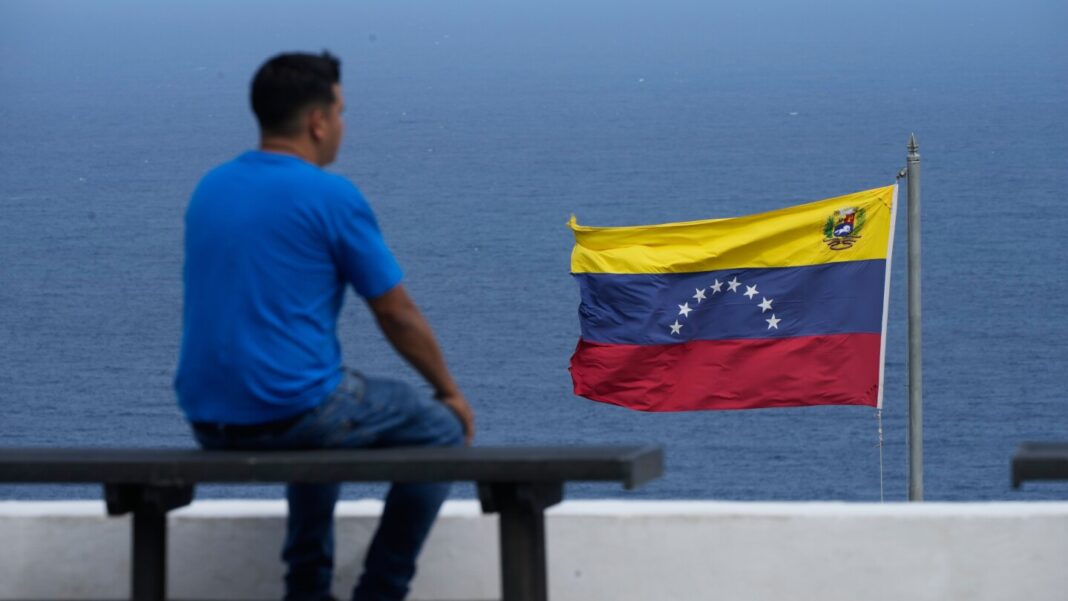

United Nations.- The permanent representative of Venezuela to the UN, Samuel Moncada, stated this Tuesday that the United States wants to impose a colony in Venezuela by blocking the sanctioned oil tankers that enter and leave the South American country.
According to Moncada, this blockade, announced last week by the U.S. President, Donald Trump, constitutes "a crime of aggression with which the leader intends to turn back the clock of history 200 years to impose a colony in Venezuela".You may be interested in: http://Venezuela calls "imperial madness" that DR authorizes the US to use airports
The Venezuelan also referred to the U.S. attacks on alleged "narco-boats" in the Caribbean, which have claimed the lives of more than 100 people, and to the "armed attack" that the Government "has been announcing for weeks". "This is the largest extortion known in our history; a gigantic crime of aggression in development outside of any national parameter, legal logic, and historical precedent," he stated in this regard. And he warned that Venezuela "is only the first objective of a larger plan": "(The country) intends to impose itself on the fundamental rights of all the states of the American continent, even at the cost of the destruction of the UN." It was Venezuela that expressly requested this urgent meeting in the Council, a request driven by President Trump's blockade against sanctioned oil tankers leaving and entering the Caribbean country. Moncada indicated today that his country requested this meeting "aware" that the U.S. would veto in the Security Council any agreement "that puts an end to its sinister plan". Furthermore, he described the U.S. actions as "a war of plunder and spoliation" of oil that constitutes an attack on the entire system of international relations and the global South, "considered inferior by the current U.S. government." Moments before his intervention, the U.S. ambassador to the UN, Mike Waltz, took the floor and assured that his country will continue to impose sanctions on Venezuela "to the maximum" in order to "deprive" its president, Nicolás Maduro, of "financing" the Cartel of the Suns. According to Waltz, the sanctioned oil tankers operate as "Maduro's and his illegitimate regime's main economic lifeline", and also finance this cartel. The tension between both countries increased this weekend after the U.S. intercepted another tanker called Centuries in the Caribbean, which was transporting Venezuelan crude oil to Chinese refineries. This is the second vessel intercepted in the Caribbean by the Trump Administration, which last week seized the Skipper ship and confiscated the crude oil it was carrying. In addition, on Sunday the Government initiated an "active pursuit" to intercept a third tanker, the Bella 1, as confirmed to EFE by a US official. During today's session in the Council, countries like Colombia condemned "the use of force" and the "unilateral coercive measures" applied by the US in the Caribbean, which "erode the rule of law and should not be a substitute for dialogue". For his part, Russian representative Vasily Nebenzya called the US blockade of oil tankers "illegal" and assured that "this ongoing intervention may become a model for future acts of force against Latin American countries."





