
 Spanish

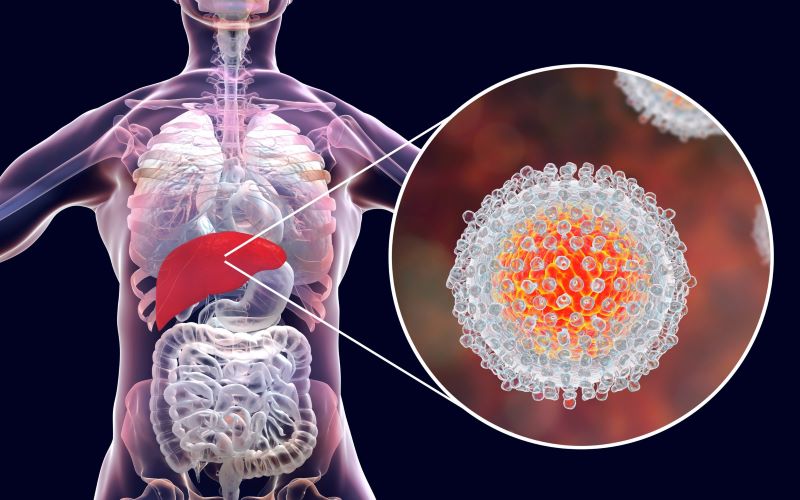
Every July 28th, World Hepatitis Day is commemorated, an anniversary proclaimed by the World Health Organization (WHO) with the aim of raising awareness about this serious inflammatory liver disease and promoting concrete actions that drive prevention, diagnosis, and treatment.
The date was chosen in honor of the birth of Dr. Baruch Blumberg, an American scientist who discovered the hepatitis B virus and developed the first vaccine against this variant.
It often presents no symptoms in its initial stages, making early detection difficult. However, over time it can cause irreversible damage to the liver, including cirrhosis, liver failure, and liver cancer. According to WHO data, it is estimated that more than 354 million people live with this disease worldwide and that each year, around 1.1 million people die from causes related to it, figures that exceed deaths from HIV/AIDS or malaria.What is hepatitis?
It is an inflammation of the liver that can be caused by viruses, excessive alcohol consumption, the use of certain medications, or autoimmune diseases. However, the best-known and most dangerous types are the hepatitis A, B, C, D, and E viruses.- A and E are usually transmitted through contaminated food or water and, although they are usually self-limiting, can cause epidemic outbreaks, especially in places with poor sanitary conditions.
- B, C and D are transmitted through contact with infected blood, unprotected sex or from mother to child during childbirth. These are the most likely to become chronic and seriously damage the liver.
Some fundamental preventive measures include:
- Vaccination: Currently, there are safe and effective vaccines against hepatitis A and B. The hepatitis B vaccine also protects against hepatitis D.
- Safe practices: Avoiding sharing needles, using condoms, controlling blood banks, and maintaining good hygiene practices are essential to reduce transmission.
- Prenatal control: Testing for the B variant during pregnancy and vaccinating the newborn within the first 24 hours can prevent mother-to-child transmission.
Treatment and cure
- Hepatitis A and E generally do not require specific treatment and resolve spontaneously.
- Hepatitis B has no definitive cure, but it can be controlled with antiviral medications that reduce the viral load and decrease liver damage.
- Hepatitis C does have a cure in most cases thanks to direct-acting antiviral medications, which eliminate the virus in more than 95% of patients in 8 to 12 weeks of treatment.
Global Statistics (WHO, 2024):
- 354 million people live with chronic hepatitis (B and C).
- 1.1 million die each year from causes related to the disease.
- 42% of children in the world receive the hepatitis B vaccine at birth.
- Only 10% of those infected with hepatitis B and 21% of those infected with hepatitis C know their diagnosis.
World Hepatitis Day not only seeks to remember the dangers of this disease, but also to make visible the millions of people who suffer from it in silence and to promote collective action. The message is clear: hepatitis can be prevented, diagnosed, treated and, in many cases, cured. But to achieve this, education, political will and a more inclusive and accessible health system for all are needed.





