 Spanish


By Yureimy Marte
San Pedro de Macorís is known as the "Tacita de Oro" or "La Sultana del Este", it stood out for its role in the sugar industry, with sugar mills such as Consuelo, Santa Fe and Angelina.
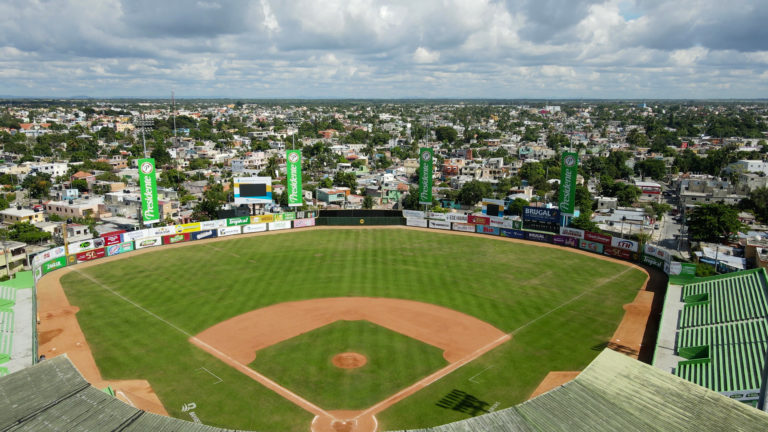
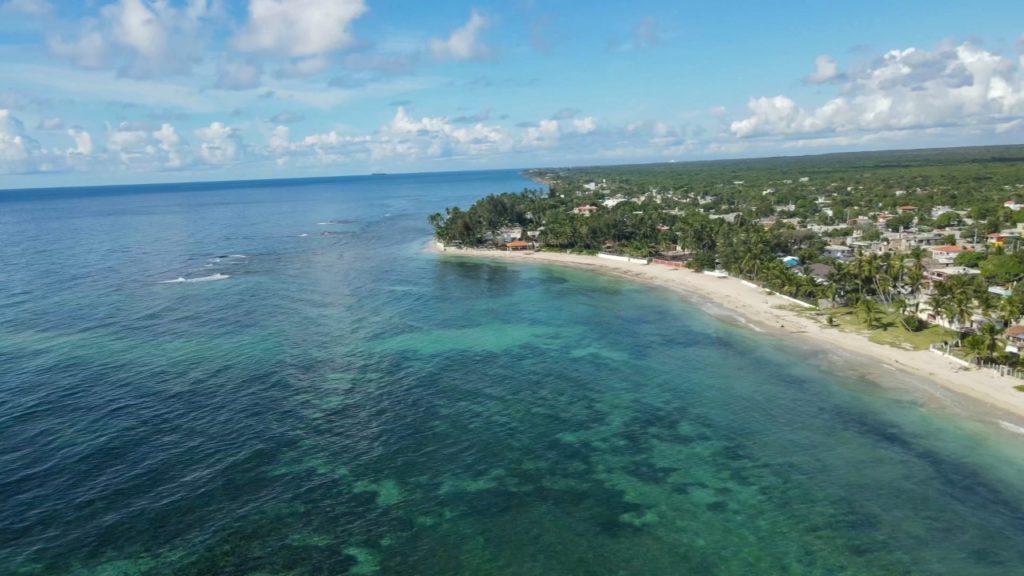
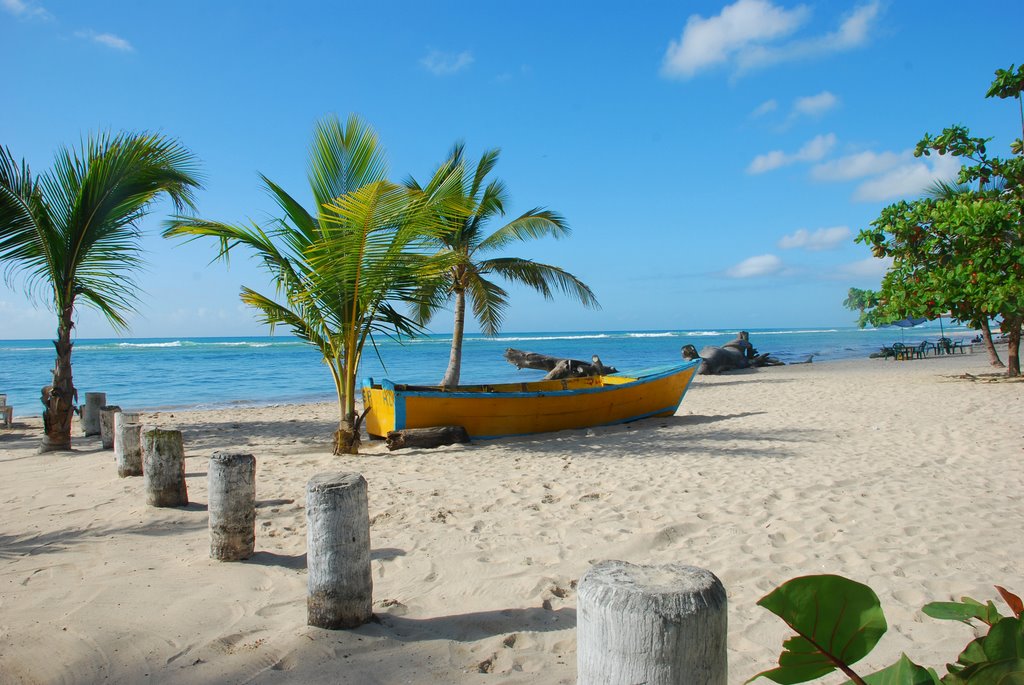
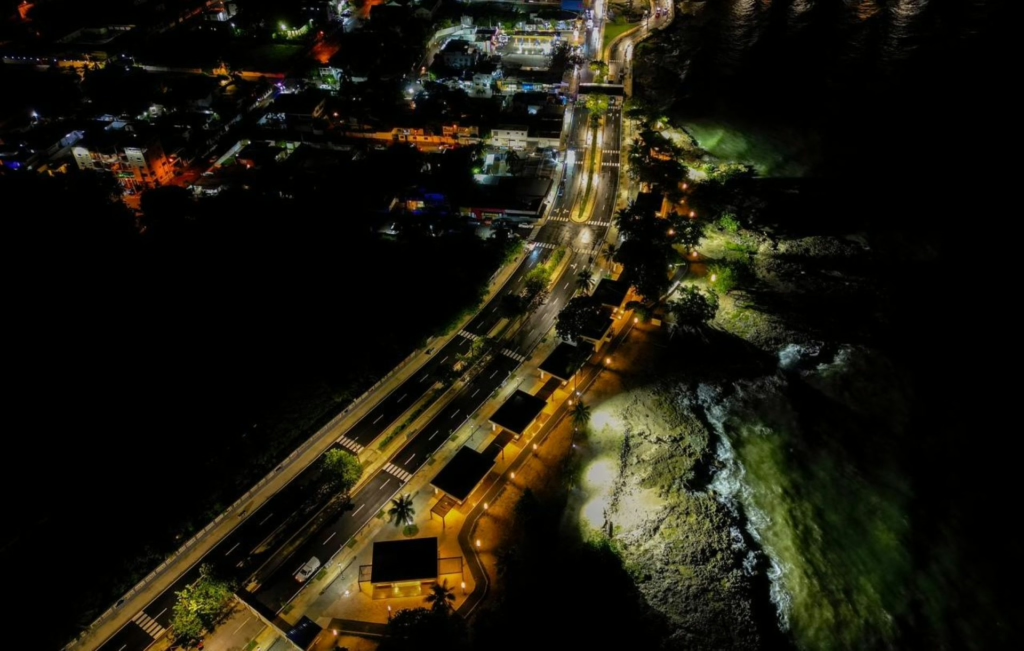
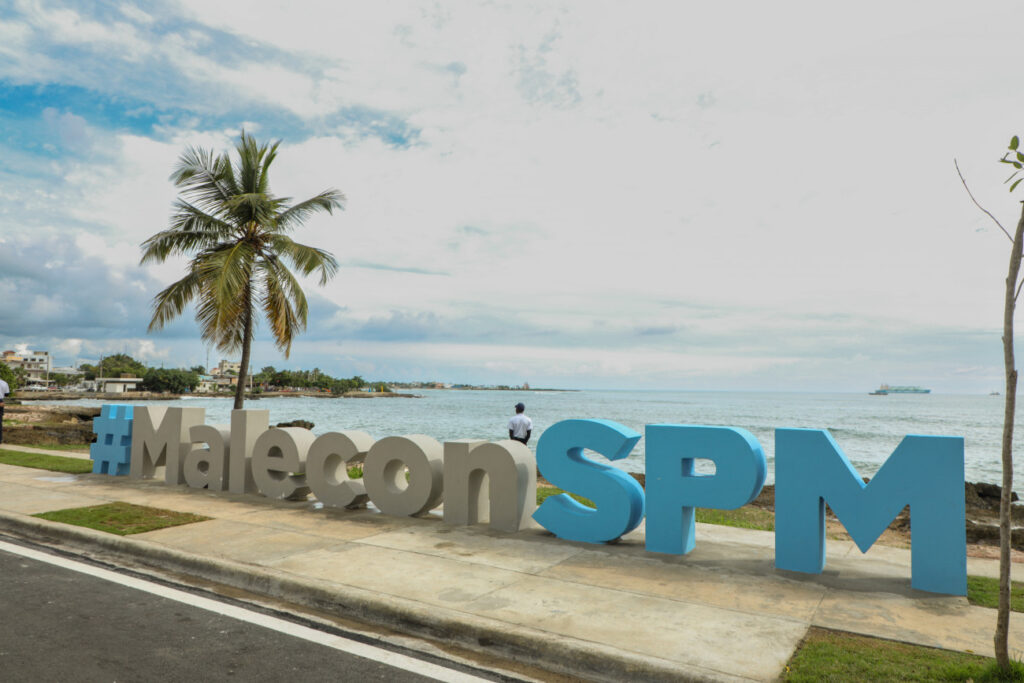
Upon entering, the Higuamo River extends and greets visitors, being the longest and most navigable in the country. With calm and deep waters, joining paths and whispering stories of times past. Not far away, the Soco River follows its course, navigable in some sections, it is the silent guardian of traditions and memories, offering sustenance and shelter to those who have made its banks their home. Regarding tourism, this eastern province leaves a mark on those who visit it with the whisper of its waves, the golden magic of its sunsets, the freshness of its beaches, the charm of its seawall bathed by a warm climate and the elegance of its cathedral. Its coast of beaches emerges to invite you to discover its natural beauty. Among the most visited are Juan Dolio Beach, Guayacanes Beach, Caribe Beach, and Boca de Soco Beach. This town offers a variety of charms that invite you to enjoy it to the fullest: from the elegance of Metro Country Club and the cozy Club Campo Azul, to the irresistible flavors of Amable Pasteles. Added to this is the baseball passion at the Tetelo Vargas Stadium, the cradle of great moments that have marked this sport in the country.Most Visited Places
Six municipalities and two municipal districts are part of this land full of life and traditions, where each community keeps its own history and rhythm. San José de los Llanos, Ramón Santana, Consuelo, Quisqueya, Guayacanes, El Puerto, and Gautier are names that beat in the heart of this southeastern region.Juan Dolio Beach
It is one of the most visited beaches in the country and a prominent tourist destination in the eastern region of the country. Famous for its turquoise waters and palm trees that line the coast, it offers a beautiful and relaxing landscape ideal for those seeking tranquility. In addition to having public access, parking areas and nearby stalls where you can enjoy characteristic seafood dishes.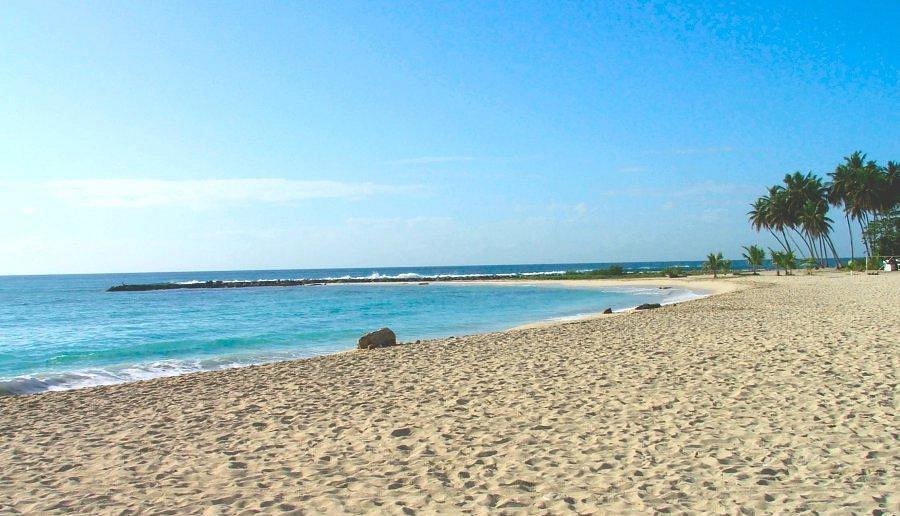

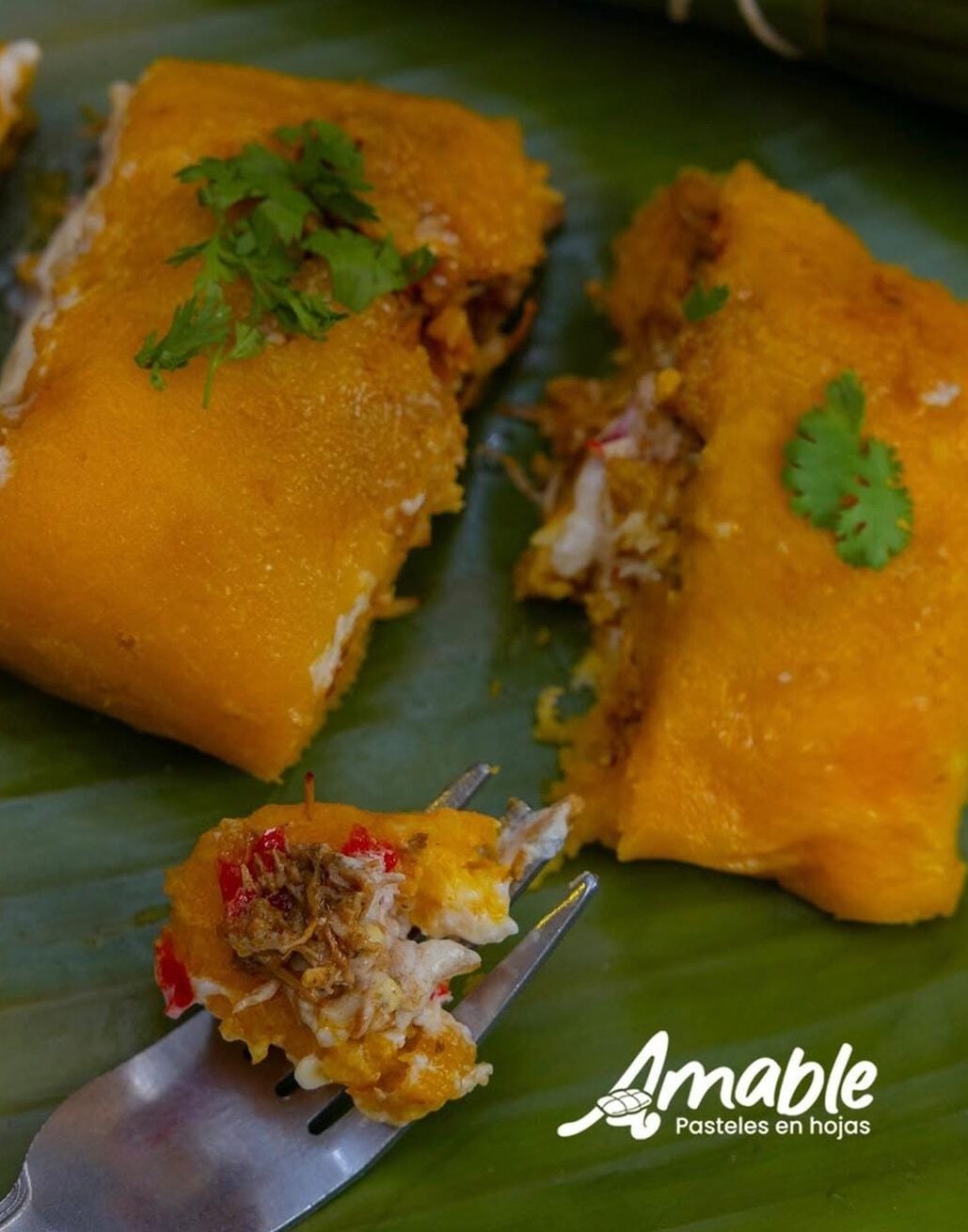
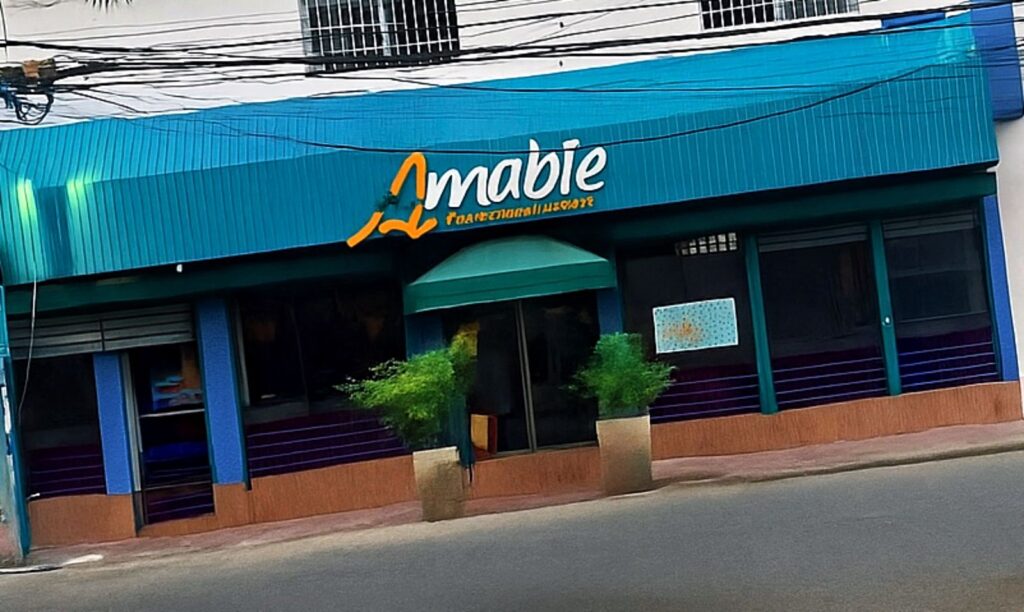
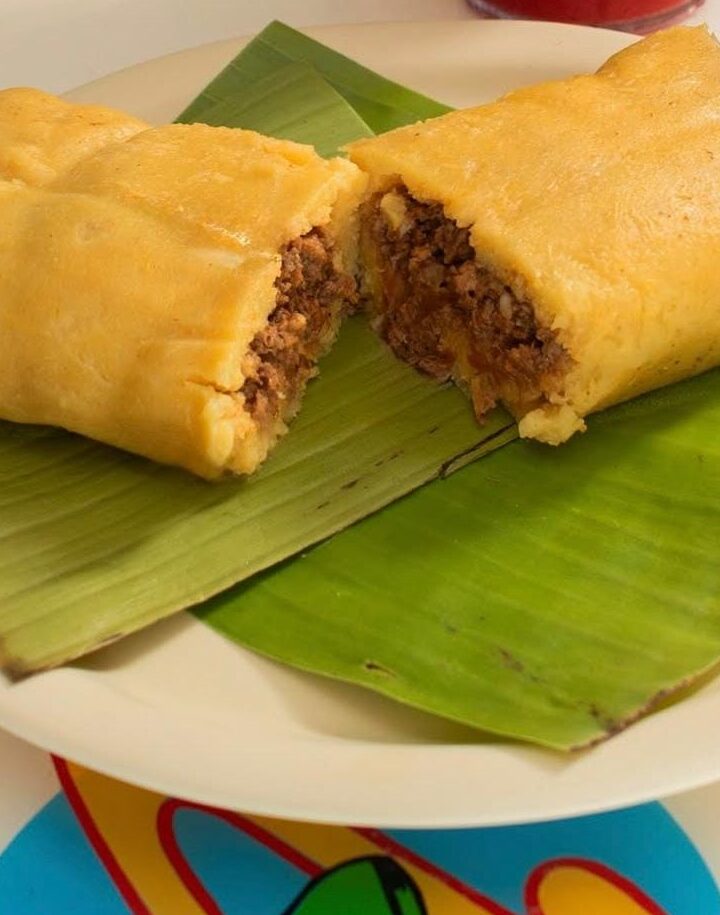
It's almost impossible to visit the city and not go to Amable Pasteles en Hoja, in front of Duarte Park, a traditional place since 1967 where you can enjoy the best pasteles en hoja in the country, especially the classic plantain with beef. This emblematic place receives national and foreign visitors who enjoy its wide variety of flavors in a cozy atmosphere, ideal for sharing with family, friends or as a couple.
“He probado muchos pasteles en hojas, pero estos son los mejores en calidad y sabor. ¡Están para chuparse los dedos!”,
expresó Ashley Pimentel.
Political commitments to development: The municipal authorities hope that the promise made regarding the launch of the new Ferries del Caribe route, which will connect with Mayagüez, Puerto Rico, will be fulfilled. With an investment of US$80 million, President Luis Abinader led the presentation of the project to transform the port, an essential infrastructure to guarantee the operability of the new route and maximize the benefits for the city and the province, but to date the province is still waiting...The deputy also recalled the historical and cultural value of the city: “It all began here. San Pedro was the "Tacita de Oro", the cradle of the best writers and great baseball players. We have a lot of talent and all the resources to keep growing”, he affirmed.
San Pedro de Macorís
A jewel in the Caribbean and birthplace of great Dominicans, such as Pedro Mir, Rafael and Gastón Deligne, and Evangelina Rodríguez, pillars of Dominican literature and medicine. It is a paradise of history, flavor, and vibrant culture. The Sultana del Este is also home to moments that have marked Dominican history. In 1879, the country's first fire department was created, and in 1911, the first monument to the founding fathers was inaugurated. Its port, built at the end of the 19th century, was the scene of advances such as the first automobile (1912), the first seaplane (1924) and the first telephone. The crisis of the 20s and Trujillo's policies hindered its development, but in the 70s it resurfaced with the Universidad Central del Este and the Free Zone, which still boost its economy.Series 023, San Pedro de Macorís is the cradle of Dominican passion, culture, and pride