
 Spanish

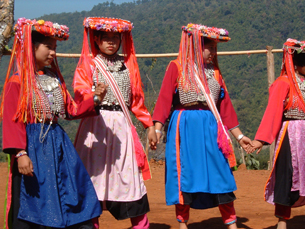
Mexico City.- Despite the significant advances, and the multiple efforts carried out by the Mexican State, indigenous peoples in the country "continue to face significant challenges" such as unequal access to land, exclusion in decision-making processes, attacks against indigenous defenders, as well as various forms of discrimination, indicated UN-DH.
In a statement for the International Day of Indigenous Peoples, the Office in Mexico of the United Nations High Commissioner for Human Rights (UN Human Rights) emphasized the importance of recognizing and protecting the rights of indigenous peoples as part of efforts to address ongoing challenges.
He highlighted the 2024 approval of the constitutional reform on the rights of indigenous and Afro-Mexican peoples and communities, which constitutes a very significant step forward on which to continue building.
"This change in the Constitution consolidates important advances for the strengthening of collective rights, in accordance with international human rights standards recognized in the United Nations Declaration on the Rights of Indigenous Peoples and other international instruments," he pointed out.
In this context, UN-DH pointed out, it is important to highlight the role of indigenous women who, as José Francisco Calí Tzay, then Special Rapporteur on the Rights of Indigenous Peoples of the United Nations, pointed out at the time, "are guardians of scientific and technical knowledge essential to protect ecosystems, preserve biocultural heritage and sustain life".
He also said that in order to continue facing the persistent challenges, it is important to advance in the development of the General Law on the Rights of Indigenous and Afro-Mexican Peoples, as provided for in the constitutional reform, ensuring consultation and participation in its construction and adaptation.
You can read: August 9th is International Day of the World's Indigenous Peoples
Since 1995, August 9th is celebrated as the International Day of the World's Indigenous Peoples in commemoration of the first meeting of the Working Group on Indigenous Populations in 1982, recognized by the United Nations Organization. This day seeks to highlight the rights and contributions of indigenous peoples who represent approximately 476 million people in more than 90 countries, constituting more than 6% of the world's population.




