
 Spanish

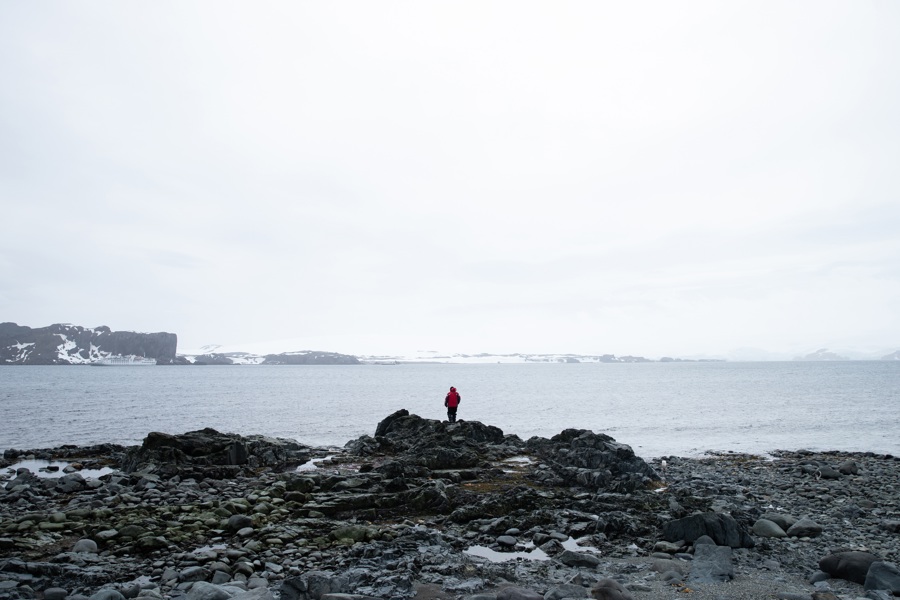

This study, published in a recent article in the journal Ecological Informatics (Science Direct), has analyzed the impact of noise caused by a power generator on the Antarctic Specially Protected Area (ASPA) on Ardley Island.
The study recommends including measures against noise pollution in the management plans of the protected areas of Antarctica.
The authors of the research have shown that the noise generated by humans could be a significant stress factor for the fauna of Antarctica and warn that its negative consequences have been underestimated so far, compared to those caused by other types of human activities in this area of the planet.
Concern about the incidence of noise
The increasing human activity in the Antarctic region, which includes scientific and logistical operations, has heightened concerns about the impact of human-generated noise on Antarctic ecosystems.Faced with this problem, the study by UPF and Udelar has focused specifically on examining whether the noise caused by a power generator, located 2 km from Ardley Island, is perceptible from this protected area, where multiple animal species live.
The island is a breeding ground for an important community of seabirds (penguins, petrels, terns, and skuas), and is also visited by marine mammals, such as, for example, different species of seals, Antarctic fur seals, and elephant seals, which come there to feed or molt their plumage.
It has been detected that the noise generated by human activity can alter the behavior of various species, as it can increase their stress or hypertension levels, and affect their hearing, food-seeking, or response to predators.
The generator noise is perceived in the protected area
The research results have corroborated that the sound emitted by the generator is clearly perceptible from the ZAEP, but further investigations should corroborate the specific effects that this could have on the behavior of the different animal species that inhabit it.
One of the researchers in the study is Martín Rocamora, who is part of the music technology group of the engineering department at UPF, in addition to being linked to the electrical engineering institute of the Faculty of Engineering at Udelar.
The other co-authors of the article are from this university in Uruguay, such as the principal investigator, Lucía Ziegler, who works in the functional ecoacoustics laboratory of the ecology and environmental management department of the eastern regional center of Udelar.
Noise affects communication and social interaction
The noise generated by humans affects the communication and social interaction of animals, which depends on acoustic signals.
Researchers explain that acoustic signals are fundamental for the communicative activities and social interaction of various species and that previous research had already found that noises generated by humans are an important environmental stress factor for animals.
However, until now, most studies on the subject had focused on marine ecosystems, while this one focuses on the effects of noise pollution among terrestrial species.
To this end, the researchers recorded the sounds of specific areas of Ardley Island during the summers of 2022 and 2023.
This island is located very close to Fildes Peninsula, one of the most populated areas of Antarctica because several bases from different countries are located there.
Sensor Network Recording Devices
For this specific study, two of the recording devices from the extensive sensor network that the research team has were used.
In this way, the specific acoustic characteristics of the power generator and its differences from other noise sources such as land vehicles, ships or airplanes could be determined.
Based on this research, it has been concluded that the soundscape of Ardley Island is altered by the presence of the power generator, as a nearby noise source, which may affect the fauna of this protected area.





