
 Spanish

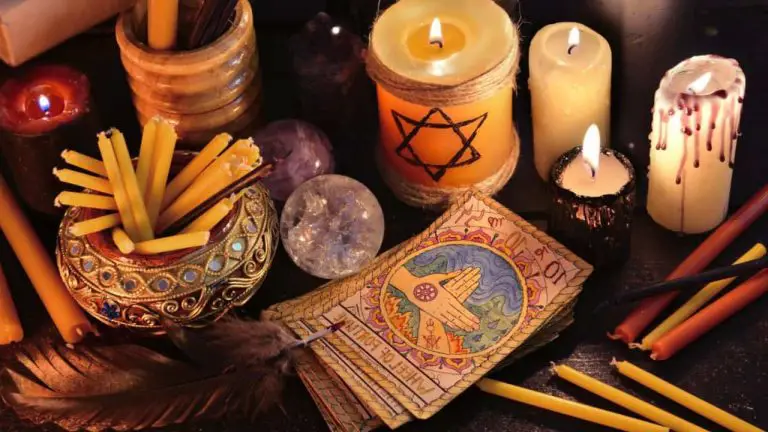

In many parts of the world, Friday the 13th is more than just a date on the calendar: it is a symbol of mystery, bad luck, and esoteric practices. But where does this belief come from and why is it associated with witchcraft?
This Friday the 13th, and as every time this combination appears on the calendar, the superstitious protected themselves with amulets, some avoided leaving home, and others took advantage of the day to perform rituals. Although for many it is simply a superstition without foundation, for others this date has a deep spiritual and esoteric meaning.
Origins of Superstition
The fear of the number 13, known as triskaidekaphobia, has ancient roots. In Christian culture, it is said that there were 13 diners at the Last Supper, and that the traitor, Judas Iscariot, was the 13th to sit at the table. In addition, Jesus was crucified on a Friday, which ended up associating both elements as signs of bad omen. But fear is not exclusive to Christianity. In Norse mythology, there is also a legend where Loki, the god of deceit, joins as the thirteenth guest at a banquet in Valhalla, unleashing chaos.Friday the 13th in Popular Culture and the Occult
Over the centuries, Friday the 13th became established as an unlucky date in Western tradition. This was compounded by popular culture, especially with the iconic film series Friday the 13th, which turned the date into a synonym for horror and blood.However, for certain groups of practitioners of modern witchcraft —such as Wiccans—, Friday the 13th is seen as a day of special energy. It is believed that collective superstition amplifies the power of rituals performed during that day. Some perform protection, abundance, or spiritual connection spells, far from the dark stereotype that is often presented in cinema or the media.





