
 Spanish

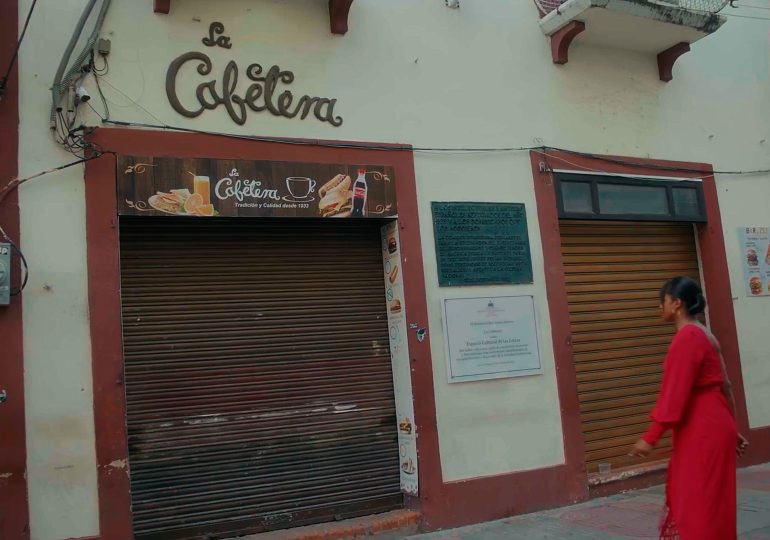

Santo Domingo.– The iconic space La Cafetera, located on El Conde street in the Colonial City, will reopen its doors after almost a year of closure, thanks to the interest generated by the program Migrantes, hosted by journalist Millizen Uribe and produced by Gelen Gil, whose first episode highlighted the historical and cultural value of this emblematic place.
Founded in 1932 by the Spanish immigrant Benito Paliza Torre, La Cafetera was a pioneer in coffee roasting in the country and became a meeting point for intellectuals, artists, and members of the Dominican-Spanish community. Figures like Pedro Mir, Marcio Veloz Maggiolo, and José Cestero frequented its tables during the establishment's heyday.You may be interested in: http://Asonahores closes its Commercial Exhibition with 145 companies and more than 6 thousand visitors
The program generated an emotional turn when the Minister of the Presidency, José Ignacio Paliza, shared on social media the pride of discovering the story of his grandfather Benito through Migrantes. “In the Dominican Republic he built a family and opportunities that gave him life. Thank you Millizen Uribe!”, Paliza wrote on X, after watching the episode with his son. The reopening of the venue will be possible thanks to the investment of a private company, which has generated enthusiasm among those who value the preservation of historical spaces in the capital. For Millizen Uribe, this rescue is a demonstration of the transformative power of communication. “It fills us with satisfaction to see that content from Migrantes contributes to rescuing a space of such relevance to our history”, she expressed. Meanwhile, Gelen Gil highlighted that the project is produced “with deep respect for the foreign communities that have left their mark on the Dominican Republic”. The second episode of Migrantes will air this Saturday at 9:00 p.m. on Telesistema, with a segment dedicated to the African-American migration settled in the Bay of Samaná, a little-known but crucial chapter in the country's cultural history.




