
 Spanish

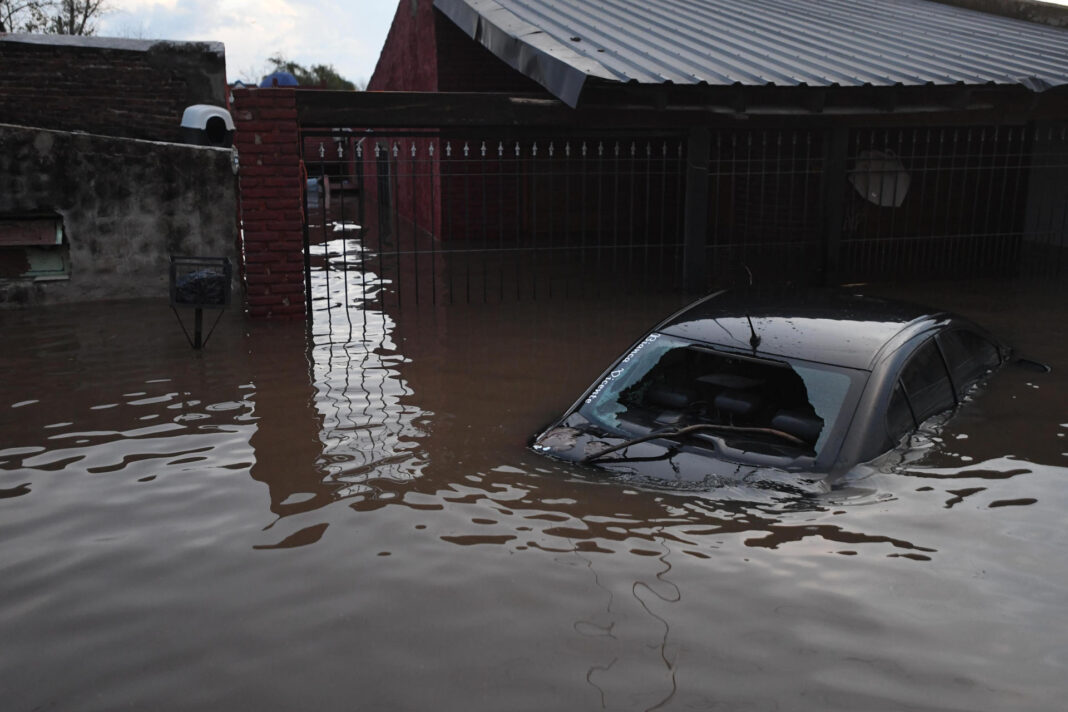

Geneva.- Natural disasters cause up to 2.3 trillion dollars in real economic losses, ten times more than what is calculated as direct costs due to the multiplier effects they have and the damage they cause to ecosystems, reveals a report produced by United Nations and made public this Tuesday.
The study warns that these costs will continue to grow as the climate crisis intensifies and that developing countries will bear the brunt, among other reasons due to the debt they must incur to cover the response and rehabilitation expenses they have to incur after each catastrophe.
Read more:Natural disasters, poor and vulnerable countries: how to compensate for climate damage?
Likewise, it shows how the decisions that are made now, especially in terms of territorial planning, investments and energy model, will determine the exposure of populations to future risks.
One of the most alarming examples mentioned is the rapid melting of the Thwaites glacier (Antarctica), which could lead to a sea level rise of more than half a meter, which in turn would threaten coastal infrastructures valued at over $1.8 trillion.
Furthermore, such a situation would severely affect island states like Kiribati and the Marshall Islands, as well as coastal megacities like New York or Jakarta, the report indicates.Another effect of the increase in the frequency and intensity of natural disasters is the increase in insurance premium costs, the decrease in coverage, and that insurance companies begin to withdraw from certain places because it is not profitable for them to continue offering insurance there.
An example of this is happening in Australia, where more than half a million homes could be uninsured by 2030 due to the significant risk of flooding.
Faced with this scenario, the report shows that resources are still mostly allocated to emergency response: 96% of the $137 billion allocated to disaster-related development assistance between 2005 and 2017 was used for relief, reconstruction, and rehabilitation.
Only 4% (about 5.2 billion) was invested in prevention and preparedness, the report specifies.Among the greatest inequalities highlighted by the report, it is striking that the direct losses of 69.57 billion dollars suffered in 2023 due to disasters in North America represented only 0.23% of its GDP, while the losses of 4.3 billion recorded in Micronesia equated to 46.1% of its GDP that same year.
"This demonstrates the enormous relative weight of disasters in small and vulnerable economies," warns the UN.
The conclusions of this report will be discussed at a meeting to be held in June in Geneva by the Global Platform for Disaster Risk Reduction to define strategies that promote effective investments in disaster prevention and adaptation.





