
 Spanish

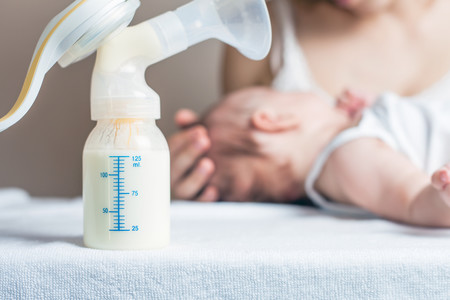

Every May 19th, World Human Milk Donation Day is commemorated, a date dedicated to recognizing and thanking the generosity of mothers who donate their milk to feed newborns who, for various reasons, cannot be breastfed by their own mothers.
This act of solidarity represents a vital opportunity for many premature or low-weight babies, and is a powerful example of support among women in the stage of motherhood.
This important commemoration was established from a proposal presented at the I Ibero-American Congress of Human Milk Banks, held in Brasilia in September 2010. Since then, every May 19th, awareness is promoted about the importance of human milk donation, and more breastfeeding mothers are encouraged to join this cause.
Why is it so important to donate breast milk?
Breast milk is the most complete and natural food for babies. According to the World Health Organization (WHO), it contains all the nutrients necessary for the healthy development of the child during the first months of life. When a baby cannot be breastfed by its mother —for health reasons, prematurity, hospitalization, or death— donated breast milk can make the difference between life and death.
Benefits of Breast Milk
- Boosts the immune system: contains antibodies that protect against infections and diseases.
- Promotes neurological and cognitive development.
- Reduces the risk of neonatal mortality and complications in premature or low-weight babies.
- Is easily digestible and prevents intolerances.
- Fosters balanced physical and emotional development.
Donate Breast Milk: A Gesture of Solidarity
In many countries, healthcare systems have established human milk banks, where donated milk is collected, analyzed, preserved, and distributed under strict quality and hygiene controls. These banks allow milk to reach the babies who need it most, especially in neonatal intensive care units.
General requirements for being a breast milk donor
- Being a breastfeeding mother.
- Enjoying good health.
- Having an excess of breast milk.
- Not consuming alcohol, tobacco, drugs, or contraindicated medications.
- Not suffering from transmissible diseases such as HIV, Hepatitis B or C, Syphilis.
- Not having received blood transfusions or transplants in the last 5 years.
- Donating voluntarily and altruistically.
La leche se recoge en frascos de vidrio esterilizados y se almacena congelada hasta su distribución. Cada donación pasa por un proceso de pasteurización para garantizar su seguridad.
World Breast Milk Donation Day not only recognizes the women who perform this selfless act, but also seeks to educate the population about its value, promote public policies to support breastfeeding, and strengthen the network of milk banks around the world.





