Spanish


In the Dominican Republic, milk is not only an essential part of the daily diet, but also represents an important source of income and employment in the agricultural sector.
On June 1st, World Milk Day is celebrated, an ephemeris proclaimed by the Food and Agriculture Organization of the United Nations (FAO) in 2001, with the aim of recognizing the importance of milk as a global food, highlighting its role in human nutrition and promoting the development of the dairy sector worldwide.
How much milk should we consume?
FAO and the World Health Organization (WHO) recommend an average daily consumption of two to three servings of dairy products for adults, which is equivalent to about 500 milliliters of milk, or its equivalent in yogurt, cheese or other derivatives. In children and adolescents, the servings can increase to three or four, due to their greater needs for calcium and protein during growth.
Why is it important to consume milk?
Milk is a natural source of calcium, high-quality proteins, vitamin D, phosphorus, and potassium, essential nutrients for bone health, muscle development, and the proper functioning of the nervous system. In children, it aids in the growth and strengthening of bones; in adults and seniors, it prevents diseases such as osteoporosis.
Furthermore, scientific studies have shown that the regular consumption of dairy products can contribute to the reduction of blood pressure, the control of body weight, and improved digestive health, especially when consumed in the form of yogurt or kefir.
Types of milk
- Animal-based milk
- Cow (the most common)
- Goat (better digestibility)
- Sheep (more fat and calcium)
- Buffalo (creamier)
- Vegetable milks(technically vegetable drinks)
- Soy (high in protein)
- Almond (low in calories)
- Oat (rich in fiber)
- Coconut, rice, hazelnut, among others
These plant-based options are fundamental for people with lactose intolerance, allergies, or vegan diets.
Milk production and consumption in the Dominican Republic
In the country, milk is one of the cornerstones of the agro-industry. According to data from the Ministry of Agriculture, in 2024 approximately 950 million liters of milk were produced, a figure that has been increasing in the last five years thanks to producer incentive policies, genetic improvements in livestock, and the technification of milking.
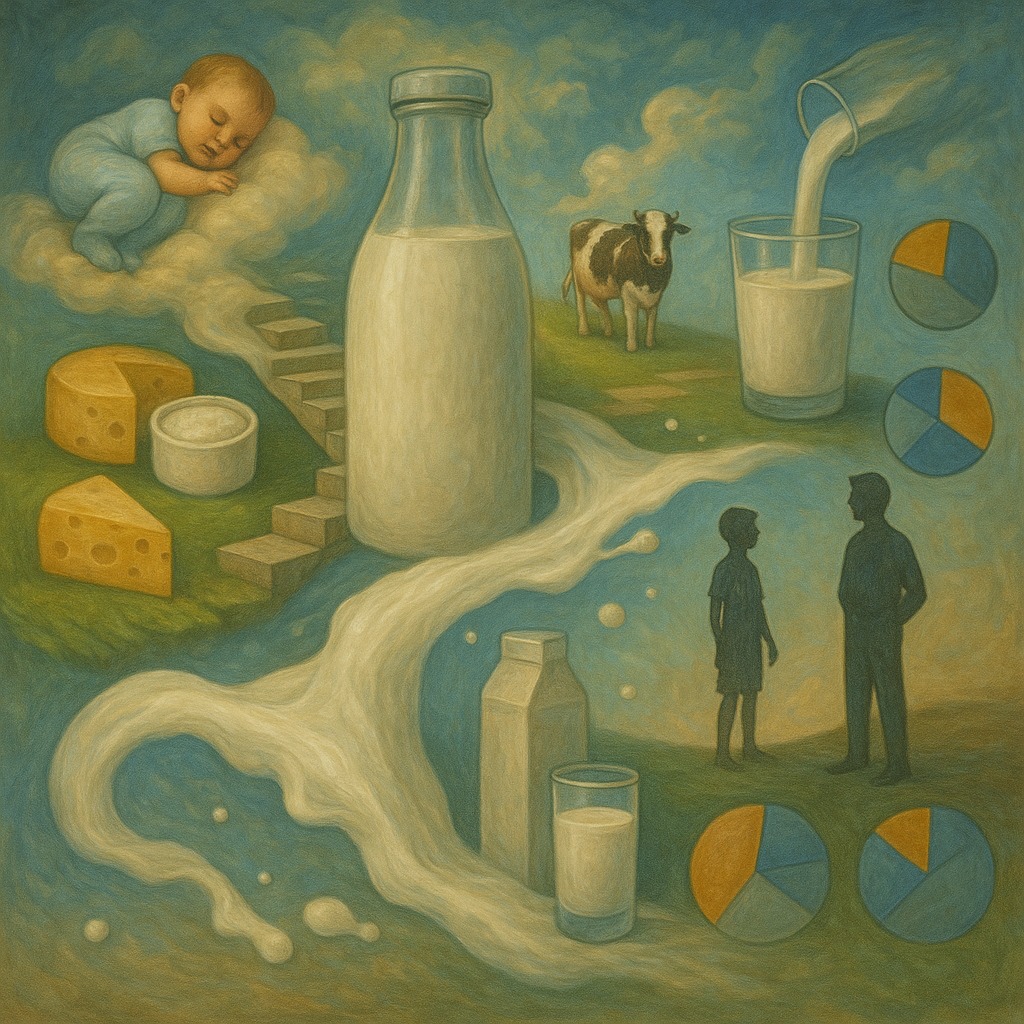
From this production: 52% is allocated to direct consumption (pasteurized or UHT liquid milk), 28% is processed into cheese (white, mozzarella, ricotta, etc.), 15% is used for yogurts and shakes, and the remaining 5% is used in products such as butter, milk powder, and other derivatives.
In terms of employment, the dairy sector generates more than 35,000 direct jobs and another 70,000 indirect jobs, including transporters, technicians, veterinarians, farm workers, and industrial processing personnel.
Organizations like Conaleche, the Dominican Institute of Agricultural and Forestry Research (IDIAF) and livestock associations have developed educational campaigns and school programs to promote milk consumption in the new generations. However, they still face challenges: Dominican per capita consumption is approximately 120 liters per year, while the recommendation by international organizations is 180 to 200 liters.World Milk Day
It not only invites us to reflect on its nutritional value, but also on the role it plays in the country's economic development. Increasing its consumption, improving food education, and supporting local producers are key actions to achieve a healthier population and a stronger agricultural economy.
This June 1st, raise your glass of milk not only for health, but also in recognition of the thousands of Dominicans who make it possible for this essential food to reach our table every day.