
 Spanish

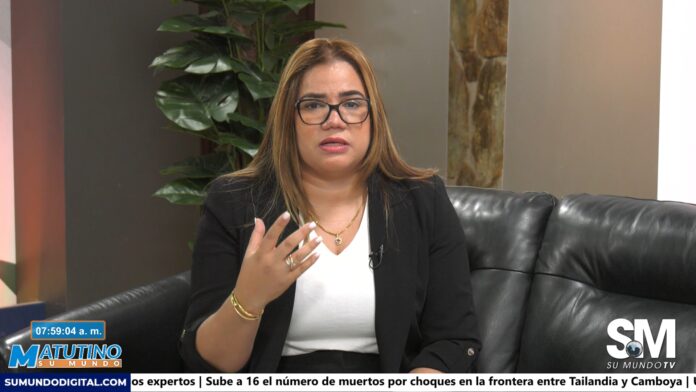
Santo Domingo.– Dr. Abilquis Escoto, a specialist in cerebrovascular accidents (CVA), warned that this condition represents one of the greatest threats to global health, and alerted about the high incidence in the Dominican Republic, where more than 8,000 people a year suffer a CVA and at least 3,000 die from this cause.
During an interview on the morning show Su Mundo, Escoto revealed that, worldwide, every three seconds a person suffers a stroke, a figure that makes this disease a silent epidemic, capable of leaving permanent disabilities or causing death.“Cada tres segundos un paciente padece un accidente cerebrovascular. Es una realidad alarmante”,
señaló Escoto.
You can also read: Public Health reports increase in infectious diseases
It is estimated that 180 people per 100,000 inhabitants suffer a stroke in Greater Santo Domingo. In an approximate population of five million, this represents a considerable burden on the health system. Furthermore, Dr. Escoto emphasized that only between 3% and 5% of patients receive cerebral revascularization treatment within the recommended time, even though most ARS cover up to 85% of the procedure. Centers such as Hospital Cabral y Báez, Salvador B. Gautier, Cedimat, Clínica Cruz Jiminián, Unión Médica and Corominas are among the few prepared to attend to cerebrovascular emergencies, both in the public and private sectors. The specialist also drew attention to the risk factors that contribute to this high incidence, especially in Latin America: low health service coverage, excessive consumption of alcohol, cigarettes, drugs, stress, vaping, and sedentary lifestyle.He also highlighted that this condition is not exclusive to older people. The incidence in young people is increasing due to unhealthy habits and anatomical conditions such as the persistence of the foramen ovale. Escoto emphasized that 90% of strokes can be prevented with regular medical check-ups, better nutrition, physical activity, and control of chronic diseases. "The body needs checking. There are diseases that don't hurt, and they are the most lethal," he stated. Finally, he questioned the low access to preventive consultations in the country, which prevents many people from knowing if they suffer from hypertension, diabetes or high cholesterol. "If I can't access a check-up, how will I know if I have hypertension, diabetes or high cholesterol?", he concluded.“More than 60% of stroke patients have poorly managed hypertension. And many people don't know it because it's a silent disease. Dominicans go to the doctor when something hurts, but this doesn't hurt,” he pointed out.





